Free Quote

Setup


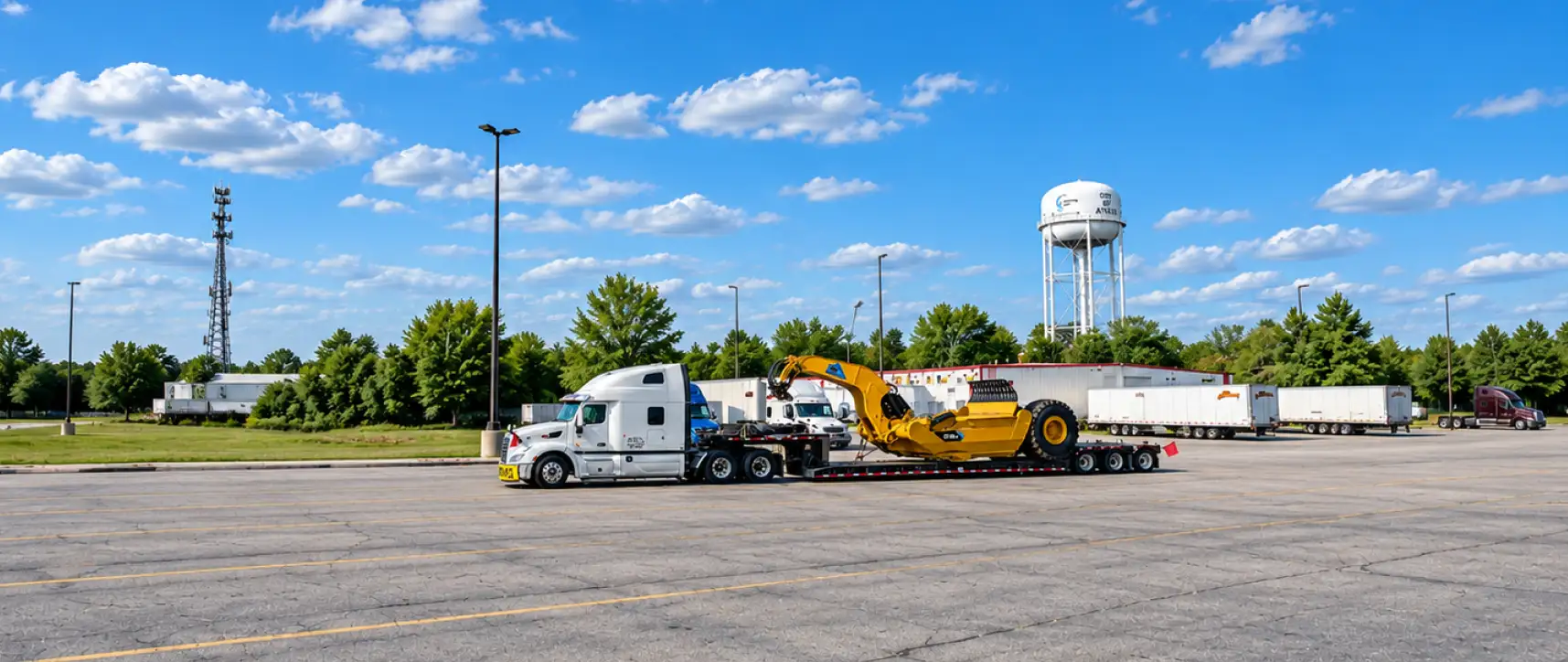
Scale houses hand out bridge tickets every day to trucks that aren't even over gross. A driver stops at a CAT scale and sees 78,000 pounds on his ticket. Everything looks fine. Then he rolls across a state pad and gets pulled into an inspection bay anyway. Most times, that problem is simple. His axles sit too close together for the weight sitting on them.
Heavy weight packed into a tight space chews up bridge decks. It also puts too much stress on the steel underneath. Congress passed the federal bridge formula in 1975 to fix this. That rule forces carriers to spread heavy loads across a longer wheelbase. If your spacing doesn't fit federal math, you can't run legally without state paperwork.
The bridge formula is written like this: W = 500 [LN / (N - 1) + 12N + 36].
W is max legal weight in pounds for an axle group, rounded to the nearest 500. L is distance in feet from your first axle center to your last one. N is how many axles sit in that group.
Here's how axle spacing changes your legal limit in real life. Take a regular three-axle group on a trailer's rear. Measure center-to-center from hub one to hub three. If that spread is 8 feet, you plug 8 in for L and 3 for N. That gives you 500 x [24/2 + 36 + 36], which comes out to 42,000 pounds.
Now slide those same three axles out to 12 feet and run the bridge weight formula again. With L at 12 and N at 3, your math shifts to 500 x [36/2 + 36 + 36]. Your legal limit jumps to 45,000 pounds.
Nothing on your deck changed. You didn't add a tire or take off any freight. Stretching that spread by four feet just bought you 3,000 pounds of legal capacity.
There's one common exception built into this rule for two sets of tandem axles. If spacing from your first tandem's front axle to your second tandem's rear axle reaches at least 36 feet, you can put 34,000 pounds on each tandem. That gives you 68,000 pounds across those four axles. It's a bit more than standard math allows. Every other axle group still has to follow the regular equation.
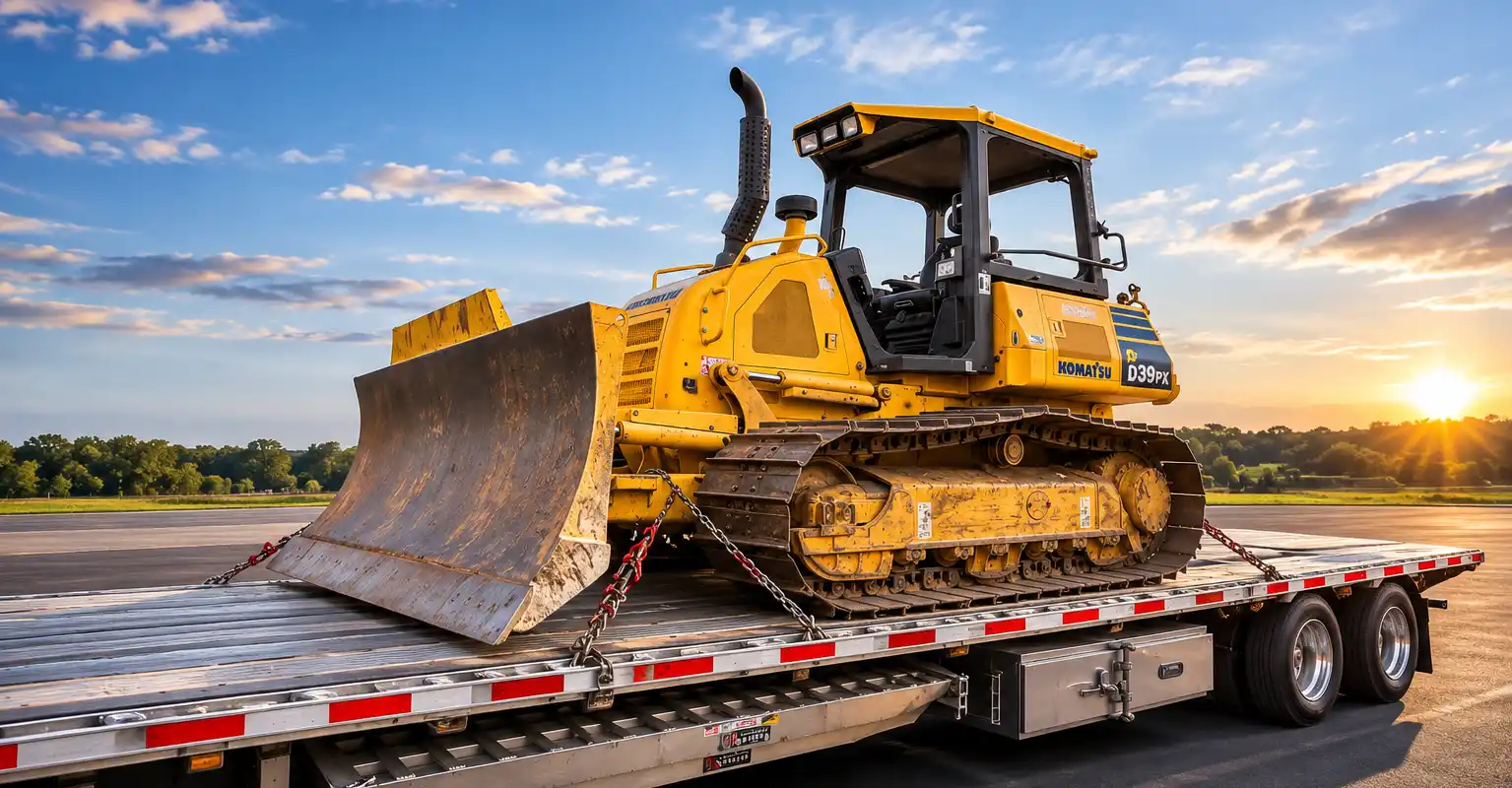
Under federal bridge law, your truck has to pass this check on every axle group. Bumper to bumper isn't enough. Scale officers check outer bridge spacing from axle 1 to your last axle. They also check inner bridge spacing from axle 2 to your rear axle, plus each tandem or tridem on its own.
Freight placement on a deck matters a lot here. A rig can clear its outer bridge with room to spare and still fail on its inner bridge. Maybe a loader set a heavy piece two feet too far forward. Now too much weight sits on drive axles. Sliding a fifth wheel can help balance your steer axle. Meanwhile, it changes spacing between axle groups. Fixing one spot can push another group over the line.
Short, dense cargo causes the most trouble. Hauling a solid steel block or a compact machine leaves you with very little trailer length. You slide your axles back until they hit their stops. You pull out a tape measure, and you're still short on spacing. At that point, your setup violates bridge weight limits.
Moving that load legally means filing for overweight permits. A permit isn't a flat fee that lets you ignore bridge math. When an application goes in, state DOT staff check your exact axle weights and foot-and-inch spacings. They run those numbers against every overpass and culvert on your route. If your spread puts too much load on an older span, the state will detour you around it. Sometimes they reject that request. A single weak bridge can add 80 or 100 miles to a trip, which eats into your fuel budget and pushes back delivery.
Dispatchers rarely do this math on paper anymore. A bridge formula calculator lets you punch in axle counts and spacing before a truck leaves its yard. You can test different setups on screen. It beats finding out you're illegal at the first weigh station.
Keep in mind that online calculators only show a federal baseline. Individual states run their own bridge tables. Many maintain older structures that are stricter than federal numbers. A 10-foot spread might clear one state with no trouble. Cross the border into another state, and your permit gets rejected. Some states also drop allowable weights on secondary roads. Which route you pick matters just as much as which trailer you use.
Sometimes a standard trailer just can't get the spacing a state wants. Then carriers have to change their hardware. Shops pin a flip axle to the back, or they add a jeep to a lowboy's front. It burns more fuel and makes backing up harder. Still, it's often the only way to clear a state engineer's review.
Drivers also need to watch their air suspension on these longer setups. If an air bag leaks, weight shifts. A stuck leveling valve does the same thing. Extra pounds dump onto an adjacent axle. That can put a legal truck over legal limits by the time it hits a scale.
Permit offices don't give leeway on bad numbers. Say a driver guesses 10 feet on his form. If an officer's tape reads 9 feet 8 inches at a scale, that permit is void on the spot. Roadside patrols also carry portable scales in their trucks. Bypassing a fixed scale house won't protect an overloaded axle group. Once a permit is voided, your truck stays parked until you fix that setup or bring in a crane.
Measuring center-to-center takes five minutes and saves you from getting shut down on the roadside. Omni Star handles bridge checks, routing, and state permit filings for busy fleets. We verify your axle spacing upfront and pull the permits you need to keep trucks moving.
The efficiency of your daily broker and ways to check their credibility
Get help with oversize permits and route planning. Call our team to get started.
Download Omni Star and manage your permits on the go.
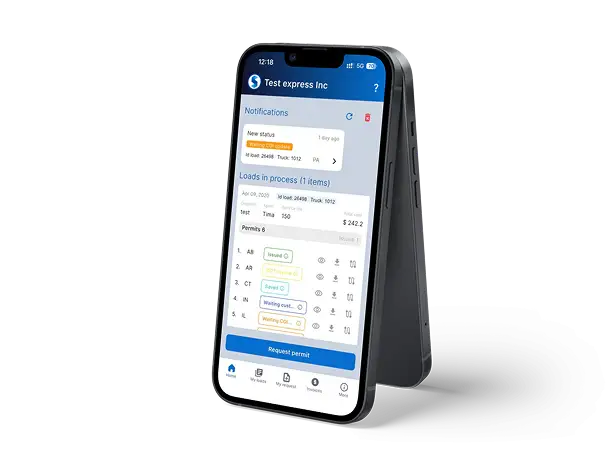

Save time and reduce manual data entry with the Omni Star Permit Request API. Connect your TMS directly to our system to submit permit requests, validate shipment details, and track orders without entering the same information twice.
Can oversize loads travel at night? Explore state-by-state night travel restrictions, lighting requirements, and escort rules to help plan your next haul.
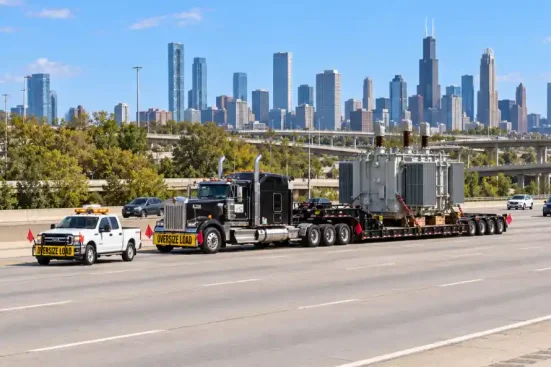
Oversize load travel windows vary by state, city, and route. Learn how rush-hour curfews and local restrictions affect interstate haul planning.
Save time and reduce manual data entry with the Omni Star Permit Request API. Connect your TMS directly to our system to submit permit requests, validate shipment details, and track orders without entering the same information twice.
Can oversize loads travel at night? Explore state-by-state night travel restrictions, lighting requirements, and escort rules to help plan your next haul.
Oversize load travel windows vary by state, city, and route. Learn how rush-hour curfews and local restrictions affect interstate haul planning.