Free Quote

Setup


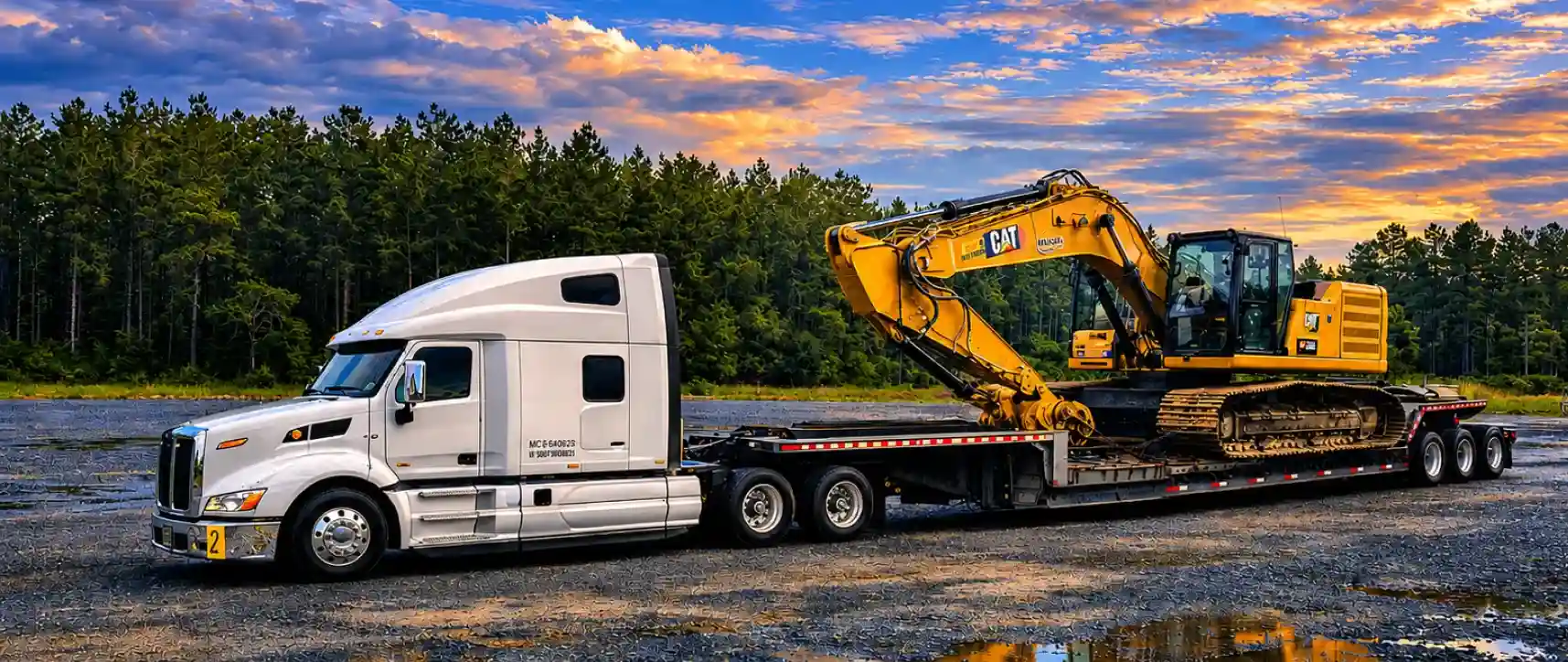
Hauling standard dry vans requires basic math. Drivers load boxes, shut doors, scale trucks, and drive. Heavy hauling shatters this simplicity. Loading 50-ton machinery onto multi-axle trailers creates instant logistical nightmares. Tracks hang past rub rails. Booms reach 14 feet high. Suddenly, rigs become massive liabilities on interstate highways.
DOT officers seek excuses to write five-figure tickets. Weigh station cops carry tape measures. Slapping yellow banners on bumpers rarely makes traffic yield. Physical barriers between freight and civilian drivers become mandatory. Carriers must hire an escort car service to protect blind spots and clear routes. But when do laws force carriers to hire outside help? Let us strip away confusion.
State laws clash constantly. Texas regulations get trucks impounded in California. Still, heavy haul operations follow basic dimension triggers.
Width Restrictions Legal width limits sit at 8 feet 6 inches. Passing this mark creates oversize loads. Hitting 10 feet wide? Narrow two-lane roads immediately require front runners. Reaching 12 feet? Trailers consume full lanes and ride shoulder lines. Expect mandatory orders to book a pilot car escort service. Pushing into superload territory at 14 feet wide? Carriers buy convoys. Front vehicles, rear spotters, and paid police details protect rigs. Companies pay for trooper time, vehicles, and fuel.
Swing Path Threats Bridge beams and wind turbine blades create lethal swing paths. Massive 120-foot loads cannot negotiate city intersections without crushing signs or parked cars. A reliable car escort service must trail trailers. Rear drivers watch tail swings. They use CB radios guiding truckers through tight right-hand turns. They stop civilian cars from sneaking up right sides during wide swings. One mistake costs thousands in insurance claims.
Bridge Strikes and Clearances Bridges destroy cargo. Standard legal height stops at 13 feet 6 inches. Passing 14 feet 6 inches hits high-pole territory. GPS apps lie about bridge clearances. Fresh asphalt changes math overnight. States require high-pole vehicles running miles ahead. Drivers mount fiberglass poles on bumpers. If poles smack concrete overpasses, drivers scream over radios. Truckers slam brakes before peeling roofs off freight.
Moving extreme tonnage demands specialized multi-axle configurations. Removable Goosenecks spread crushing payload stress across pavement. More axles mean longer trailers. Longer trailers mean wider turns. Weight does not always trigger escort requirements directly, but massive weight usually accompanies massive dimensions.
Dragging immense tonnage uphill creates immediate traffic bottlenecks. Overloaded tractors struggle climbing steep inclines. Speeding motorists crash into creeping trailers continuously. Chase cars prevent these catastrophic rear-end collisions. They activate warning lights, slow down trailing cars, and create safe buffer zones behind struggling semi-trucks.
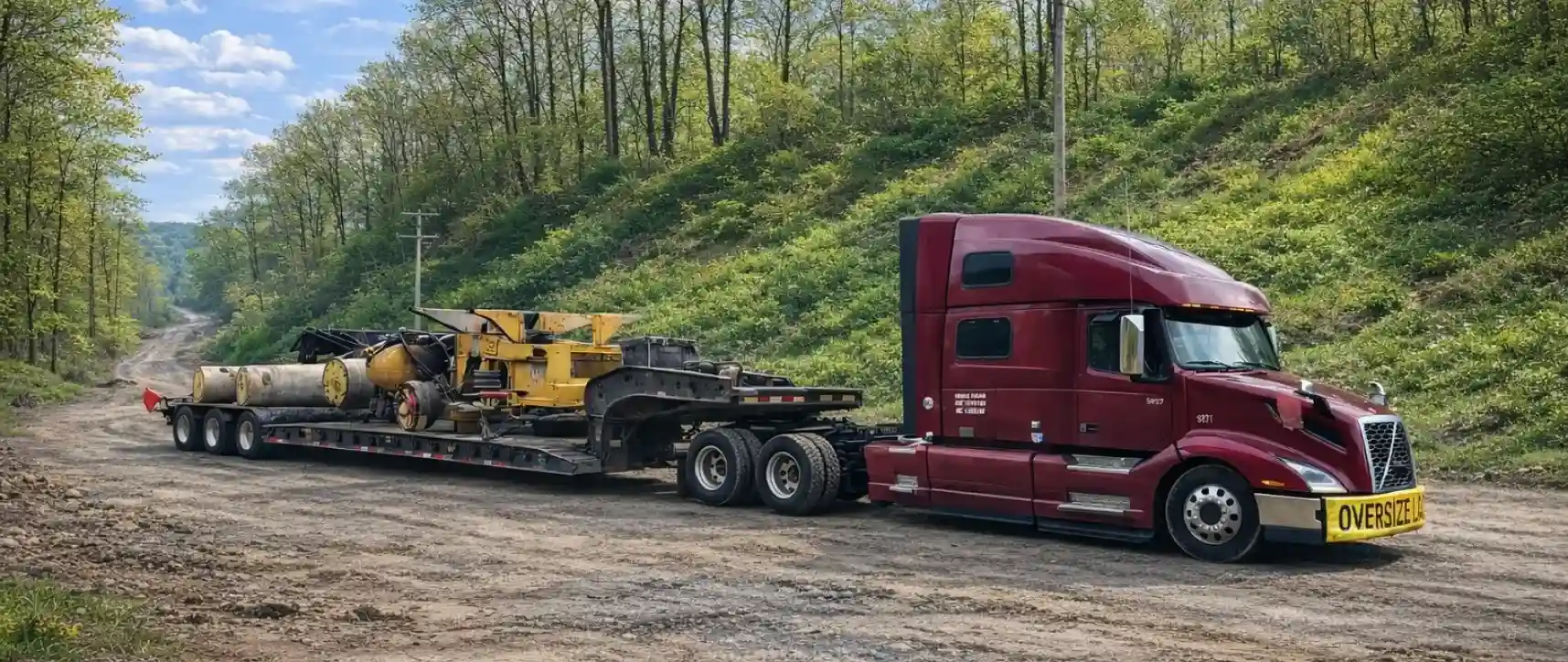
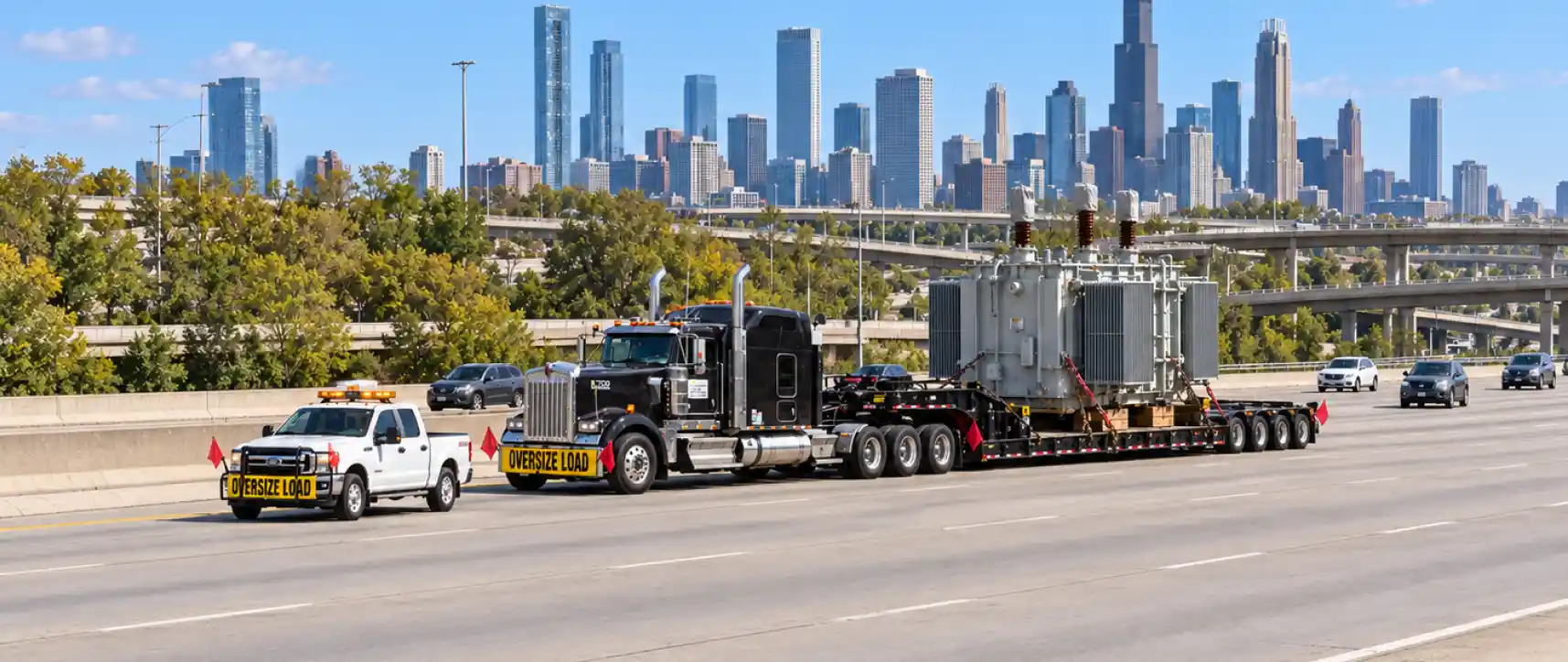
These are not random civilians driving sedans. Regulated support vehicles carry specific safety gear. Federal codes demand high-intensity amber strobes projecting omnidirectional warnings. Roofs hold massive oversize load signs. Trunks stock bright orange flags, fire extinguishers, and emergency triangles. Constant radio chatter prevents disasters. Escorts monitor CB channels relentlessly, broadcasting upcoming lane closures, blown tires, and reckless commuters long before heavy rigs arrive.
Support vehicles perform specific jobs based on terrain.
Lead Vehicles Lead vehicles run ahead on undivided highways. They warn oncoming traffic. They force aggressive drivers onto shoulders before head-on collisions happen. They spot low-hanging tree branches and road construction.
Chase Vehicles Chase vehicles ride rear bumpers on interstates. They block lanes. They allow massive rigs to merge safely without crushing small cars riding blind spots. When trucks need lane changes, chase cars move first, securing space.
Active Flagging Sometimes city streets demand brutal traffic control. Permits might require a dedicated flag car escort service. Operators step out of trucks wearing high-visibility gear. They walk directly into active intersections. They hold stop paddles and physically block commuters. This action gives truckers space required to make impossible turns without causing pileups. Crane crews charge thousands per hour waiting on job sites. Missed turns due to bad traffic control ruin profit margins.
Routing heavy freight breaks dispatchers. Planning 1,000-mile trips involves massive headaches. Dispatchers hire an oversize load pilot car in Georgia. Trucks cross scale houses into Florida. Rules flip instantly. Loads go from oversized to restricted.
Some states ban heavy moves on weekends. Others enforce night driving bans. Drivers must park rigs at sunset. Some jurisdictions force superloads to move only between midnight and 5:00 AM. A professional pilot truck service knows hidden curfews. They know which county roads hold weight-restricted bridges. They know which toll booths fit wide tires. They check weather conditions. High winds force high-profile loads to park. Ice shuts down mountain passes. Escort drivers monitor local weather frequencies and make routing calls.
Driving support cars requires special training. People cannot just bolt yellow lights onto pickup trucks and start working. States mandate specific certifications. Pilot drivers take defensive driving courses. They carry commercial liability insurance policies worth millions. They read route surveys perfectly. Hiring uncertified amateurs voids cargo insurance instantly. DOT inspectors check pilot car credentials during weigh station stops. Invalid credentials mean immediate out-of-service orders for entire convoys.
Finding certified, insured pilot drivers destroys schedules. Drivers break down. Drivers cancel. Certifications expire. Freight sits idle. Deadhead miles grow. Revenue burns.
Heavy hauling leaves zero room for guesswork. Protect CDLs. Avoid DOT fines. Keep customers happy. Omni Permits handles state regulations. We secure exact permits required. We connect carriers with fully vetted support vehicles across all 50 states. Keep hands on steering wheels. We keep roads clear. Let us handle red tape while you handle freight.
The efficiency of your daily broker and ways to check their credibility
Oversize load travel windows vary by state, city, and route. Learn how rush-hour curfews and local restrictions affect interstate haul planning.
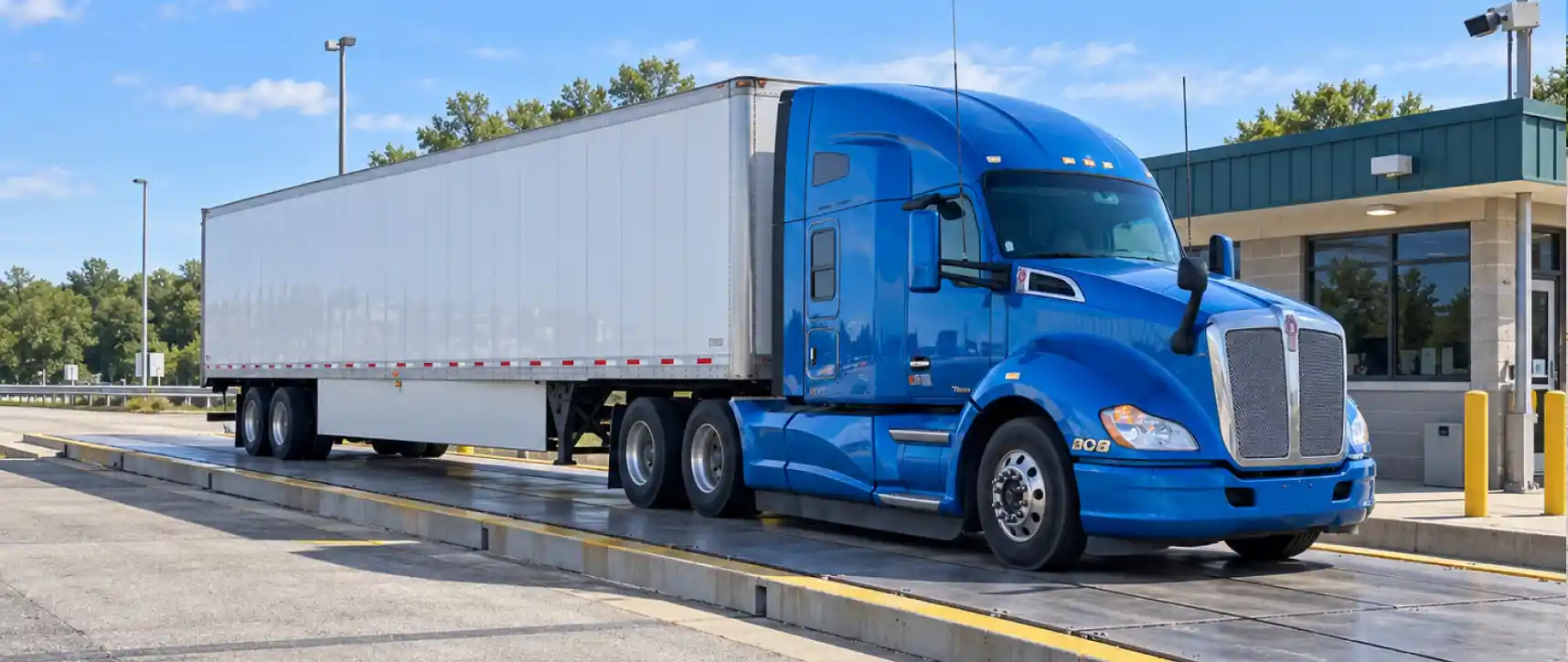
Understand US commercial truck weight limits, from gross vehicle weight to axle loads, state exceptions, and overweight permit requirements.
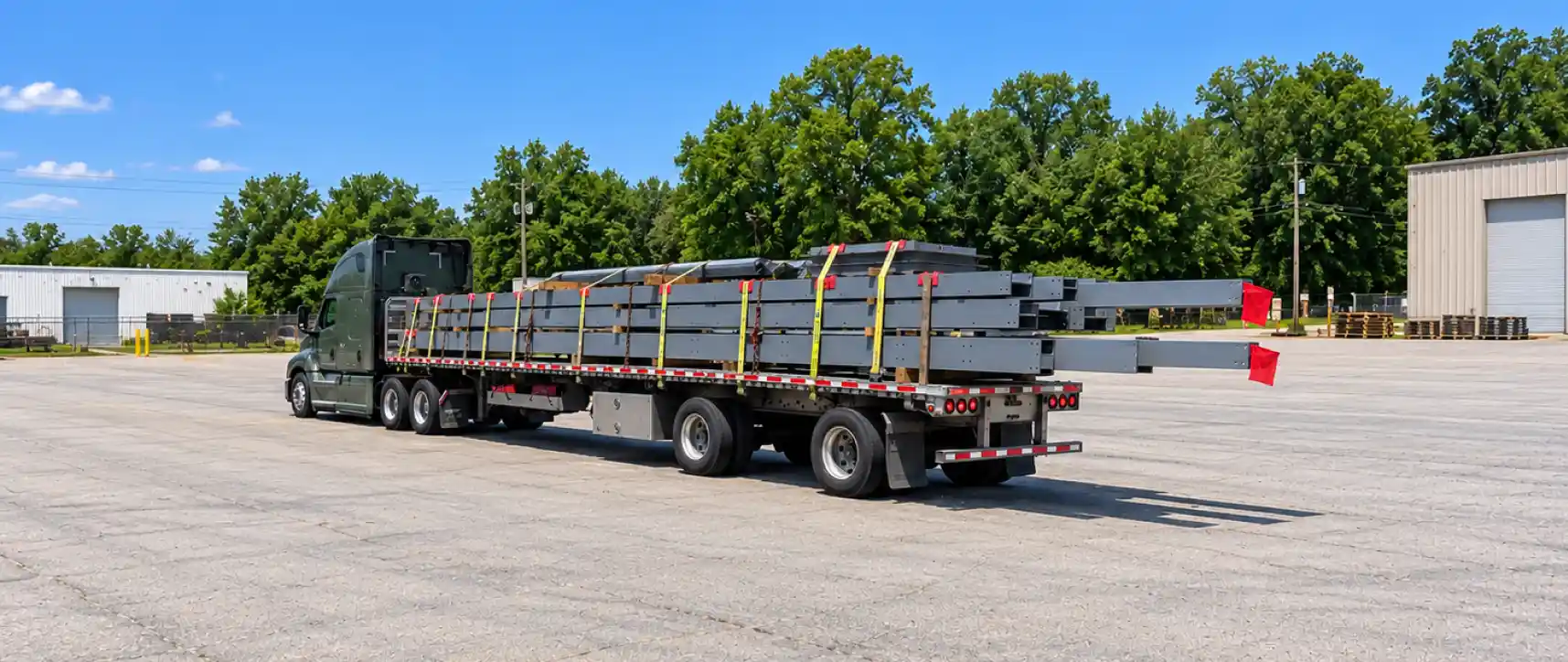
When does a long load require a permit? Learn how trailer length, cargo overhang, state rules, and escort requirements affect your next haul.
Oversize load travel windows vary by state, city, and route. Learn how rush-hour curfews and local restrictions affect interstate haul planning.
Understand US commercial truck weight limits, from gross vehicle weight to axle loads, state exceptions, and overweight permit requirements.
When does a long load require a permit? Learn how trailer length, cargo overhang, state rules, and escort requirements affect your next haul.