Free Quote

Setup


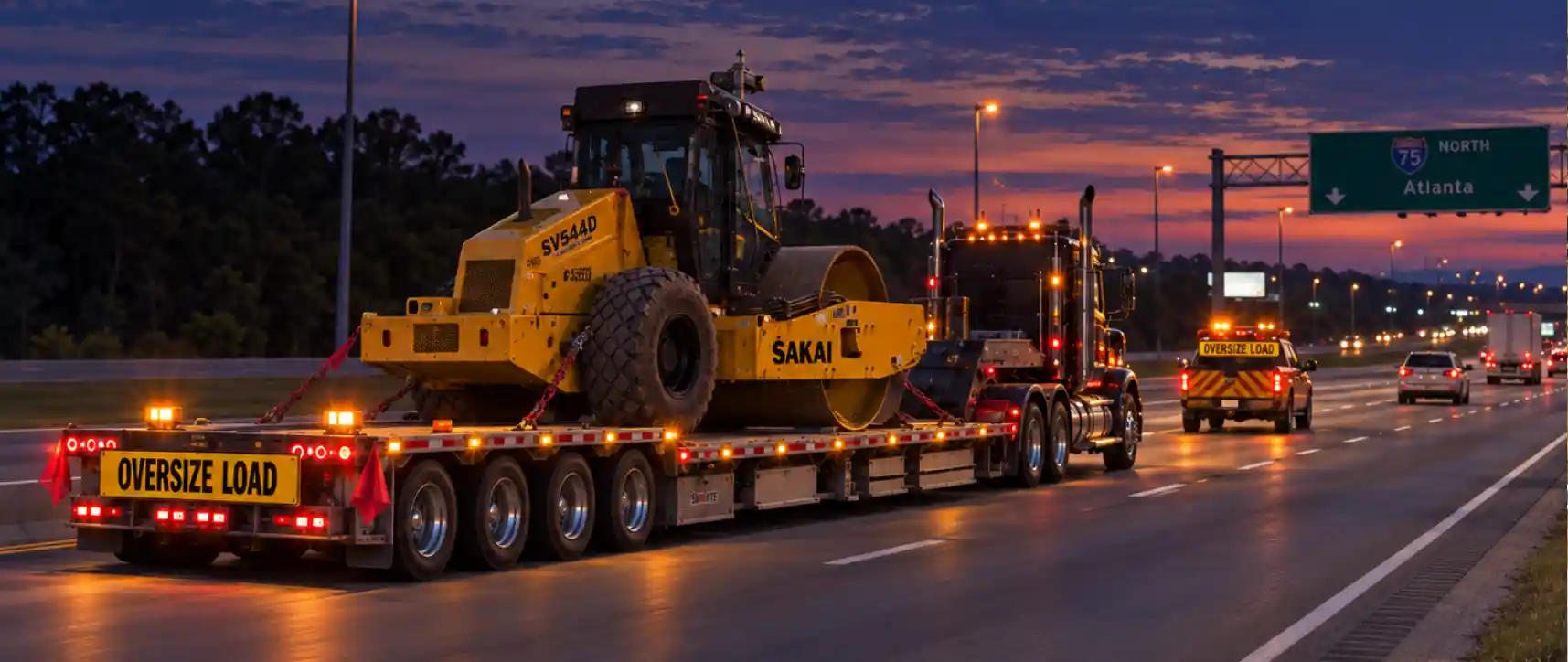
Every dispatcher eventually faces one massive scheduling headache. A critical shipment runs late, receivers demand delivery by dawn, and drivers stare down an approaching sunset. Can you legally keep those heavy wheels turning after dark? Decades ago, authorities gave operators a flat no. Standard protocol demanded parking heavy freight right on highway shoulders exactly thirty minutes before sunset. Sunlight offered natural safety. It gave everyday motorists crucial time to spot wide lowboys and change lanes.
Modern logistics cannot survive on outdated schedules. Industrial job sites operate continuously, and daytime traffic inside major metros turns daylight transport into absolute gridlock. Trying to drag mining equipment down four-lane city interstates at two o'clock causes instant chaos. That harsh reality forced state transportation departments into rethinking rigid playbooks. Nighttime heavy hauling thrives today. However, running after dark is definitely not a free-for-all. Securing authorization depends entirely upon exact freight dimensions, gross weight, and designated travel lanes. Highway officials want commerce flowing freely, but they refuse gambling with public safety under cover of darkness. Mastering current oversize load regulations protects drivers from massive roadside tickets. It keeps valuable equipment moving efficiently.
Size dictates everything when dusk settles over highways. State engineers draw massive distinctions between cargo that is simply heavy and freight taking up two full lanes. If rigs carry excess weight but stay neatly inside standard highway lines, securing round-the-clock travel clearance remains highly achievable. Many major cities actually demand this exact setup. They force heavy-tonnage trucks through downtown hubs strictly between midnight and dawn. This keeps heavy iron away from fragile morning commutes. It makes perfect logical sense.
Extra width changes legal equations instantly. Once cargo hangs over painted lane markings, state troopers take a much tougher stance. Across most jurisdictions, strict wide load restrictions take effect the moment width crosses ten or twelve feet. Why? Passenger cars simply cannot gauge exact outer edges of over-width trailers in pitch darkness. They remain blind until headlights hit your bumper. Terrain plays another massive role during these authorization decisions. A state might grant night passes for twelve-foot loads on well-lit interstates. They will shut that exact same rig down on winding rural routes. Speed caps drop immediately. Escort requirements double rapidly. Checking localized wide load regulations beforehand keeps equipment rolling profitably instead of sitting grounded in dark rest areas.
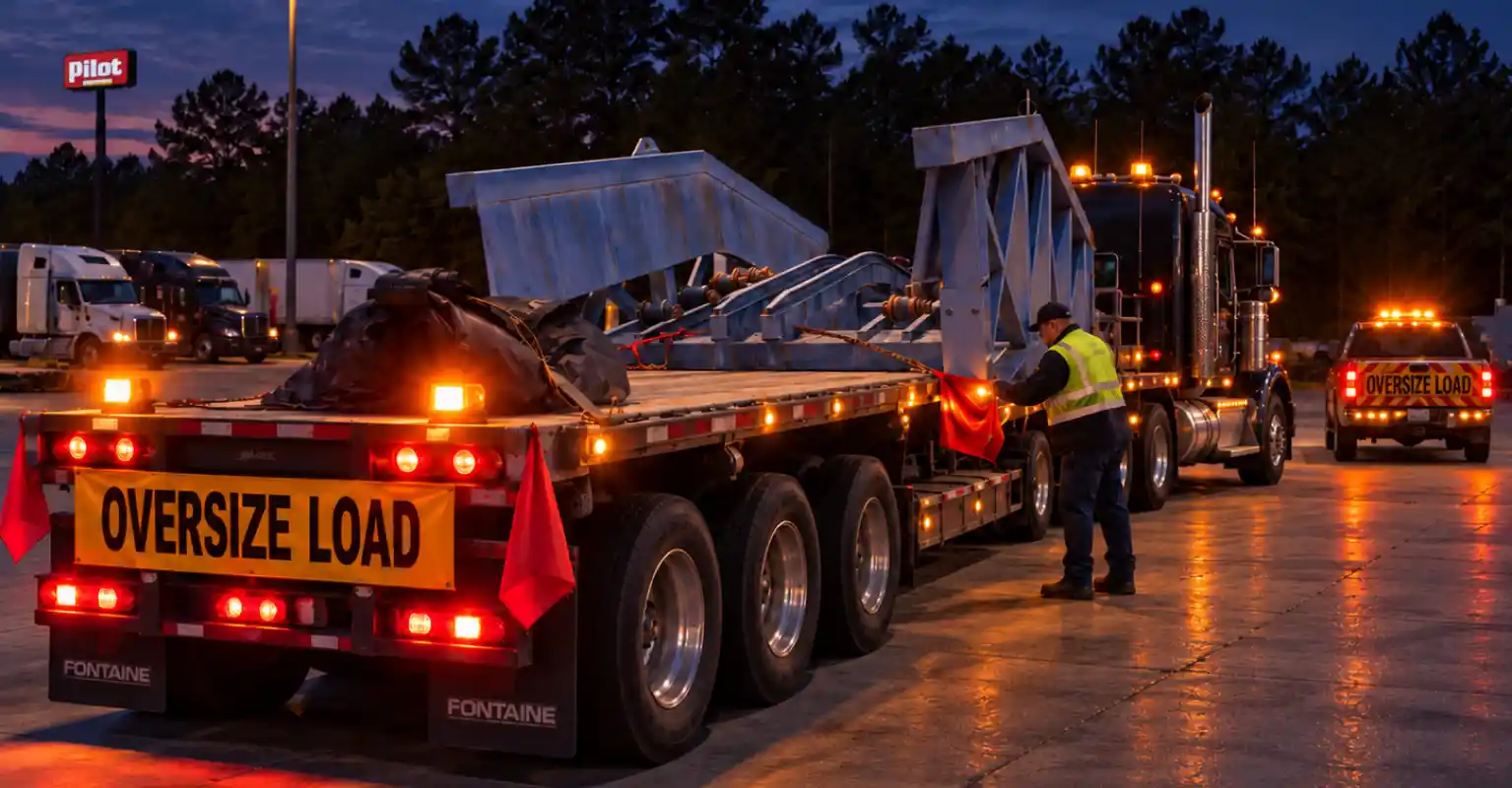
Running freight legally after dark requires serious hardware upgrades. Faded red flags fail miserably. Standard reflective tape vanishes when visibility drops to zero. Regulators demand high-intensity amber strobes mounted high above cabs. These specialized lights give trailing cars complete 360-degree warning long before they approach. Oversized warning banners must feature active retroreflective backing or internal LED illumination. Every single extreme outer corner of cargo needs bright illuminated clearance markers. If motorists cannot see your exact outline from half a mile away, compliance fails.
Escort vehicle rules get significantly tougher after sunset. Lead pilot cars must maintain rock-solid radio contact with primary drivers. Chase vehicles need their own dedicated lighting packages. Illuminated roof signs become mandatory issue. A standard route requiring one casual civilian escort during daylight might suddenly demand two pilot cars plus off-duty police cruisers at night. When permit clerks process oversize load permits, they verify lighting specs ruthlessly. Claiming proper gear without actually having it guarantees blacklisting. Even worse, if one single clearance bulb burns out mid-route, scale masters cancel routing authorizations immediately. They will hand drivers brutal fines right there.
Navigating dense urban corridors creates constant chess games for dispatch teams. Rural stretches offer driving flexibility. Metropolitan areas, conversely, throw up rigid morning and evening rush-hour curfews. This puts fleet managers in exceptionally tight spots. Drivers either sit idling at truck stops waiting out traffic, or dispatchers push for specialized late-night transit passes. Slipping through city limits cleanly requires tracking local oversize load rules down to exact minutes. You must calculate transit speeds accurately. You must factor in construction delays. Clearing major city perimeters before commuter traffic spikes is absolutely essential.
Holiday calendars complicate overnight moves drastically. Highway patrols show zero leniency when night travel overlaps with major travel weekends. Standard overnight permissions evaporate instantly. State governments prioritize passenger vehicle safety over commercial freight every single time. The moment official oversize load holiday restrictions go live, heavy trucks stop. Consider a mandatory holiday curfew starting Wednesday noon before Thanksgiving. Pulling over-dimensional loads at two o'clock that morning might still trigger massive legal trouble. Some states ban over-dimensional freight movement completely for entire holiday weekends. Reading fine print keeps fleets from getting stranded hundreds of miles away from home terminals.
Pulling off flawless night runs demands aggressive preparation. Route specialists must scout intended corridors long before drivers turn ignition keys. Hidden hazards multiply at night. Low-hanging utility wires become invisible traps. Narrow construction jersey barriers turn into severe crunch points. Unlit overhead obstacles cause catastrophic damage when drivers can only see what headlights illuminate. Discovering these physical barriers at three o'clock in the morning destroys delivery schedules and damages expensive client cargo.
Human endurance remains the final critical factor. Body clocks naturally fight stay-awake demands during early morning hours. Driver fatigue spikes dangerously just before dawn. Strict adherence to federal hours-of-service rules is absolutely non-negotiable. Mandatory rest stops save lives. When companies respect state size limits, invest heavily in top-tier lighting hardware, and honor local curfew hours, nighttime hauling turns into a massive competitive edge. Trucks cover serious ground while everyone else sleeps. Thorough preparation transforms tricky night hauls into safe, profitable deliveries every single time. It builds unstoppable logistical momentum.
The efficiency of your daily broker and ways to check their credibility
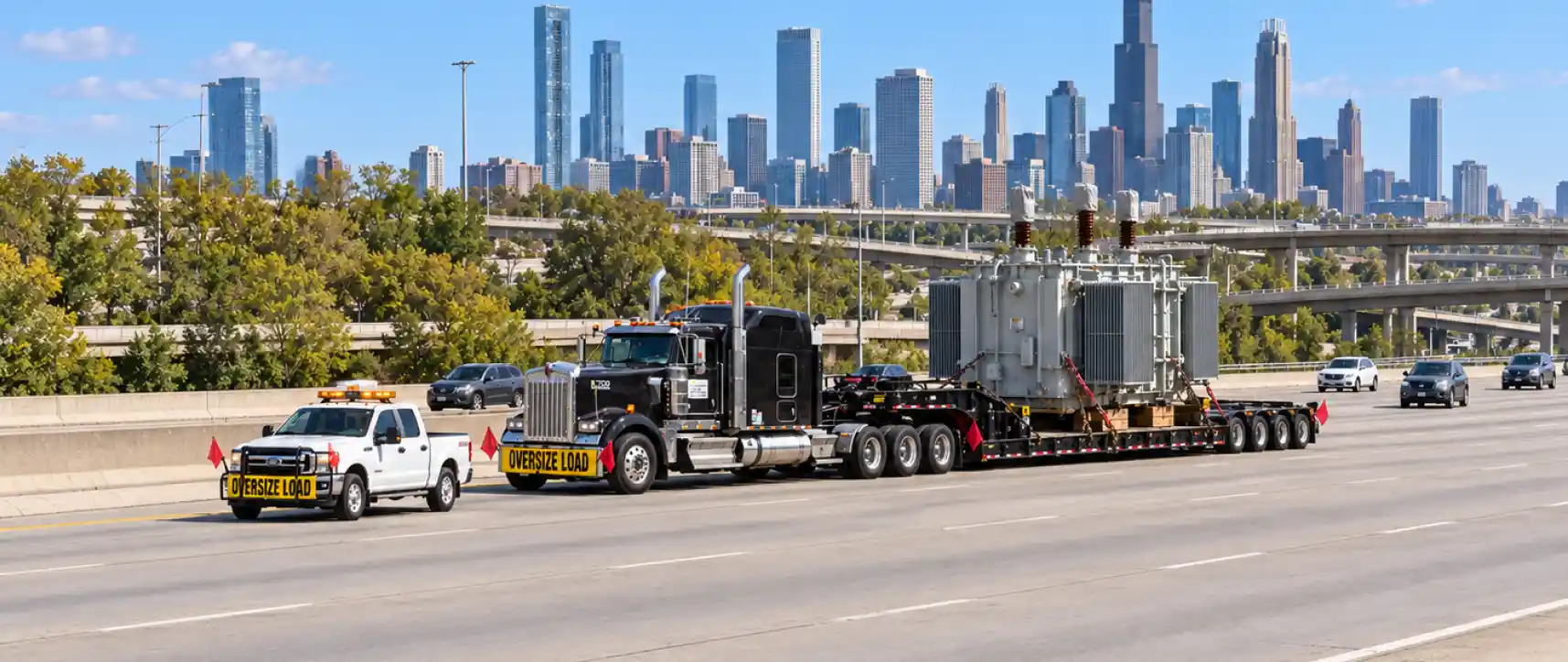
Oversize load travel windows vary by state, city, and route. Learn how rush-hour curfews and local restrictions affect interstate haul planning.
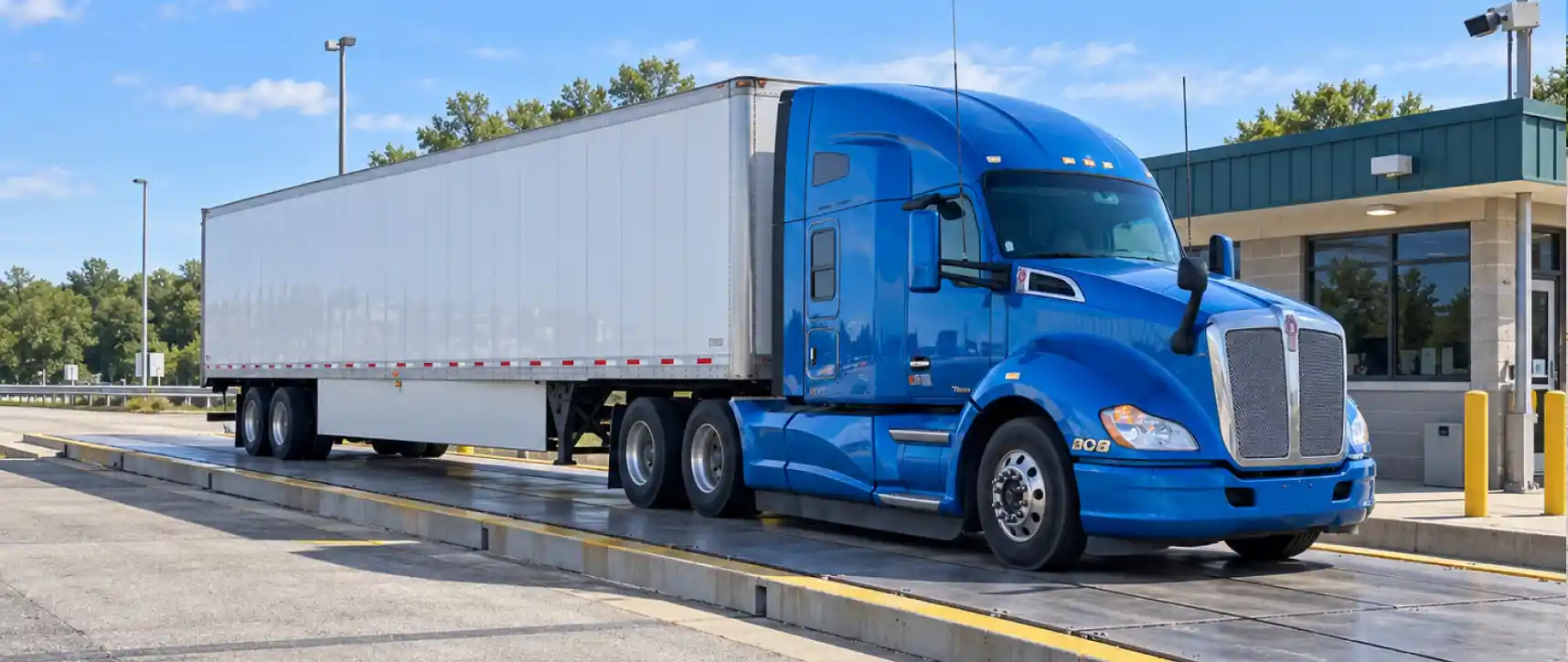
Understand US commercial truck weight limits, from gross vehicle weight to axle loads, state exceptions, and overweight permit requirements.
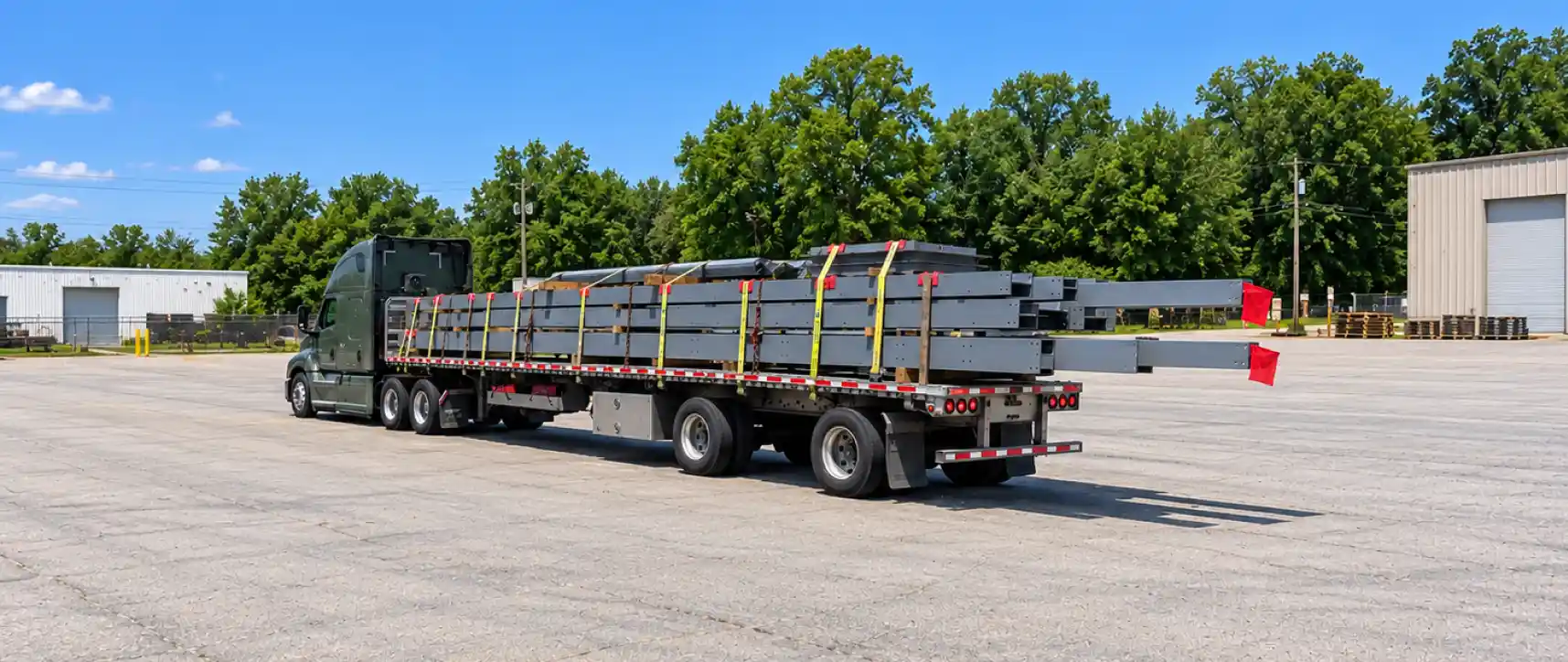
When does a long load require a permit? Learn how trailer length, cargo overhang, state rules, and escort requirements affect your next haul.
Oversize load travel windows vary by state, city, and route. Learn how rush-hour curfews and local restrictions affect interstate haul planning.
Understand US commercial truck weight limits, from gross vehicle weight to axle loads, state exceptions, and overweight permit requirements.
When does a long load require a permit? Learn how trailer length, cargo overhang, state rules, and escort requirements affect your next haul.