Free Quote

Setup


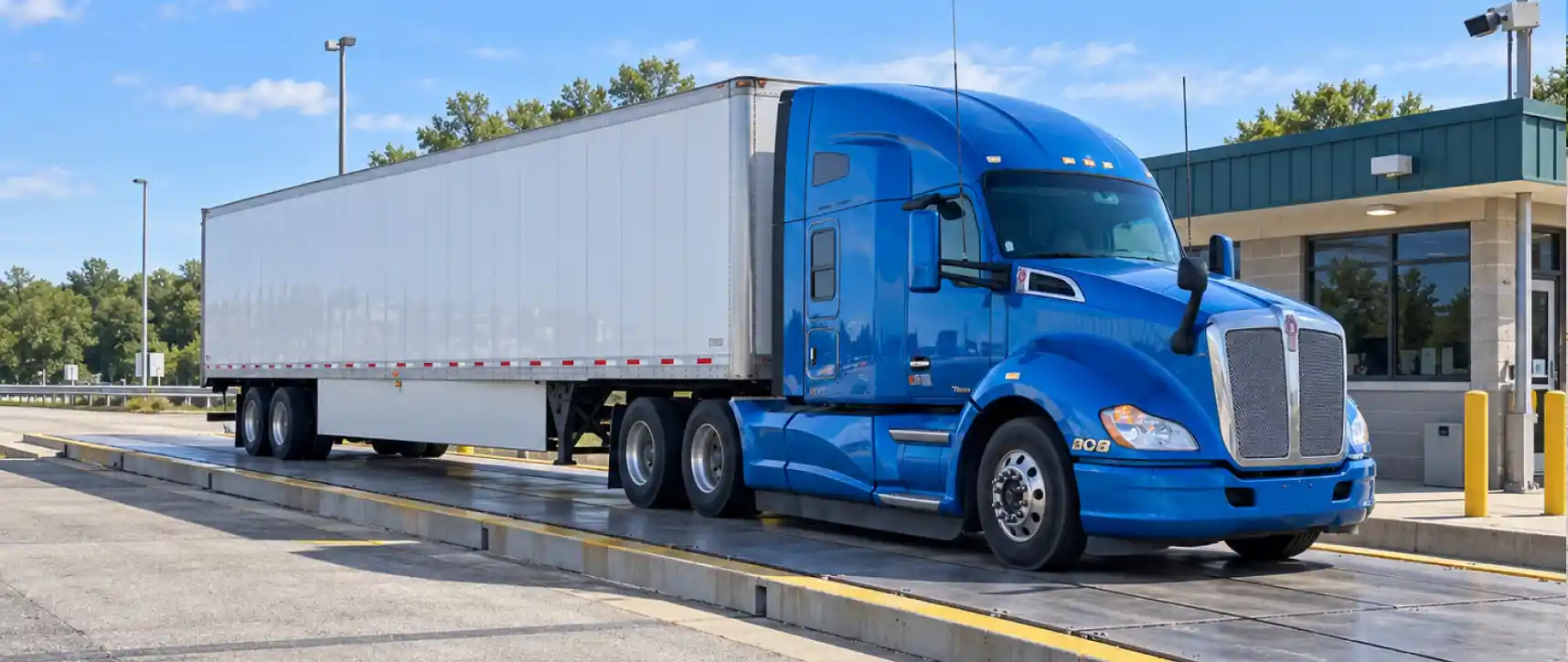
Scale masters show zero mercy. Red lights flash above scale house bays. DOT officers walk out carrying clipboards, looking for any excuse to park your rig. Everyone knows heavy payloads pulverize concrete. Politicians write brutal laws specifically targeting heavy haulers. Surviving this regulatory minefield separates rookie dispatchers from hardened logistics veterans. You absolutely must master strict commercial truck weight limits before booking heavy loads. Make one mistake? Catastrophic fines drain your bank account instantly. FHWA officials enforce absolute baselines across interstate networks. Memorizing basic federal truck weight limits prevents expensive roadside shutdowns. Eighty thousand pounds serves as our absolute national ceiling. But nothing stays simple in trucking. Jurisdictional overlap creates absolute chaos.
Washington bureaucrats locked down national highway rules decades ago. Lawmakers demanded uniform standards across all fifty states. They established eighty thousand pounds as our standard maximum gross vehicle weight. This specific cap includes your tractor, trailer, driver, fuel tanks, and payload combined. Exceeding eighty thousand pounds means pulling special permits immediately. Standard dry vans usually run safely below this threshold. Knowing your standard semi truck weight limit keeps DOT inspectors happy. But what happens hauling oversized industrial machinery? Giant excavators weigh eighty thousand pounds empty. Moving massive freight drags motor carriers into complex legal swamps. Regulators demand flawless compliance. Pleading ignorance never works inside traffic court. Judges enforce brutal financial penalties whenever fleet managers ignore legislative baselines. Insurance companies cancel policies overnight upon discovering unpermitted oversized transit.
Federal rules mean nothing on secondary roads. State governments wield massive control over local pavement. Researching truck weight limits by state reveals absolute madness across regional borders. Michigan lets specialized multi-axle setups gross over one hundred sixty thousand pounds perfectly legally. Cross into Indiana? State police impound that exact same truck immediately. Old grandfather clauses let specific regions maintain massive payload allowances along designated corridors. Regional politicians shield local industries, happily twisting federal regulations. Areas dependent on raw timber logging or steel manufacturing actively push heavy bulk shipments through custom legislative loopholes.
Juggling multiple semi truck weight limits requires intense geographical awareness. Route planners must memorize invisible jurisdictional walls. Miss one approved highway exit? Perfectly legal freight instantly becomes a massive federal violation. State borders act like bear traps for careless dispatchers. Hitting state lines requires flawless legal paperwork every single time. Modern highway troopers rely heavily on automated Weigh-In-Motion sensors buried directly beneath asphalt. Hidden cameras catch heavy rigs miles before drivers spot patrol cars hiding behind off-ramps. Such brutal electronic enforcement makes sneaking overweight freight past local cops entirely impossible nowadays. DOT officials simply mail massive penalty invoices straight to corporate offices. Carrier safety scores tank overnight.
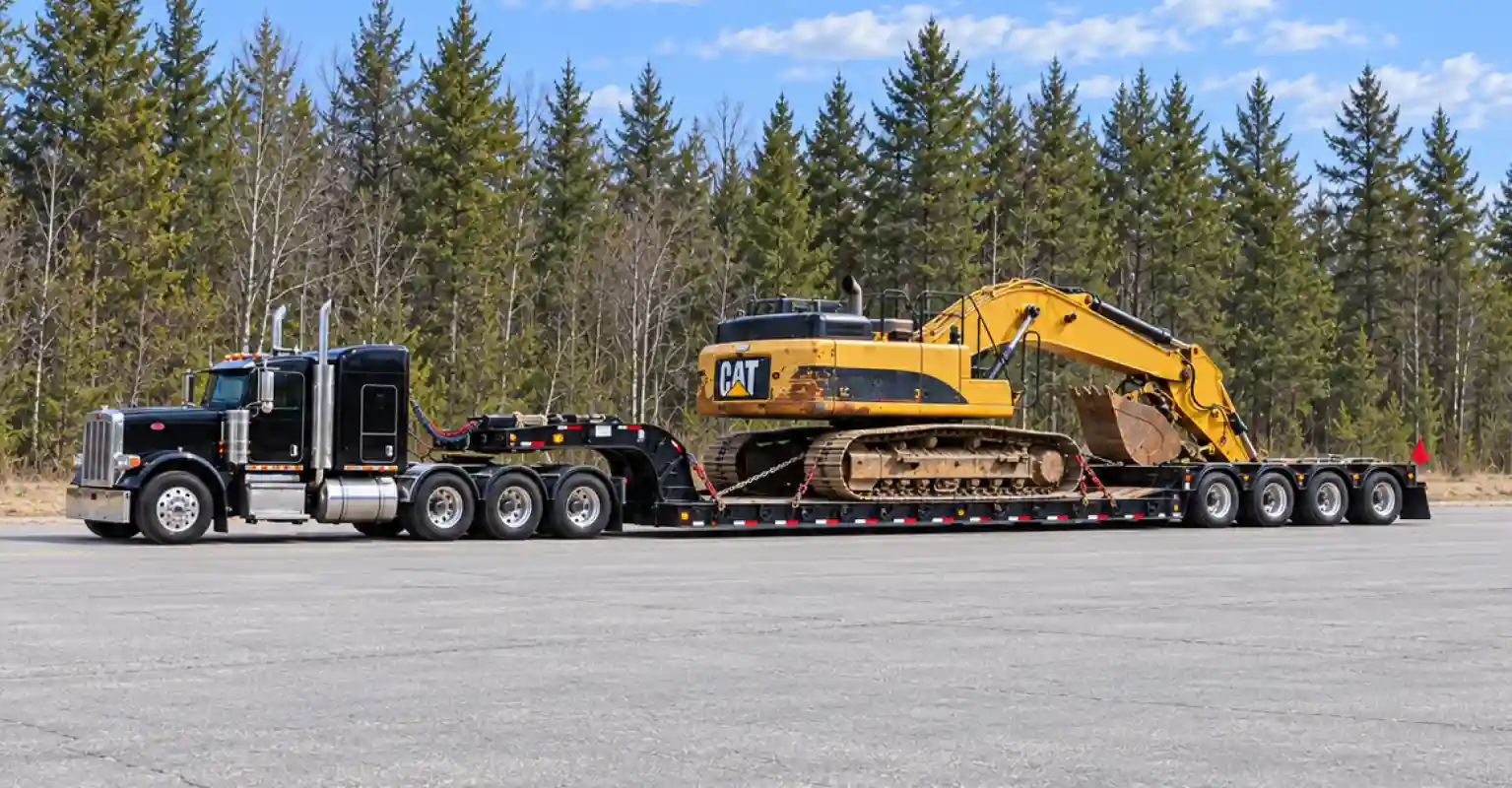
Hauling oversized freight brings massive legal headaches. General dry van operators panic over basic weight caps, whereas specialized heavy haulers shatter boundaries constantly. Defining any exact 18 wheeler weight limit gets incredibly messy once step-decks swallow massive excavators or dense steel coils. Standard truck configurations normally utilize dual drive axles paired alongside dual trailer axles. That specific setup defines basic legal truck weight across most interstate corridors. Strict federal bridge formulas mathematically force trucks into dispersing payload mass evenly across asphalt. Washington lawmakers embedded these complex equations directly into national law, preventing aging concrete overpasses from sudden catastrophic collapse.
Need deeper technical details? We published an intense regulatory breakdown showing exactly how axle weight affects overweight permits. Mastering legal frameworks always beats just memorizing basic numerical maximums. Local state officials frequently activate temporary emergency waivers, legally letting motor carriers blow past baseline maximum truck weight restrictions during crises. Agricultural states issue harvest season exemptions. Port cities grant ocean container waivers. County governments happily ignore strict federal mandates whenever collapsing supply chains threaten regional economies. Knowing exactly which jurisdictions offer seasonal reprieves hands sharp fleet managers massive competitive advantages. Operations running blindly face severe DOT audits, whereas educated fleets maximize payload profitability legally.
Brutal bureaucratic red tape strangles unprepared motor carriers daily. Chasing regional exemptions demands insane administrative patience. State clerks reject applications instantly for minor typos. Miscalculate gross tonnage by just one digit? Clerks stamp immediate denials. Truly understanding strict truck weight limits marks step one toward highly profitable heavy hauling operations. Dealing with government permitting offices drains dispatch team energy completely. Professional drivers sit completely idle at dirty truck stops while government clerks argue over minor paperwork formatting. Profit margins vaporize instantly during extended roadside delays. Commercial fleets absolutely cannot afford burning expensive diesel waiting around for slow regulatory approvals.
Smart logistics directors outsource this bureaucratic nightmare completely. Omni Star specializes in shredding complex regional codes and smashing through municipal red tape. Our compliance veterans analyze exact cargo footprints, engineer perfectly legal routing trajectories, and quickly secure those crucial overweight permits your fleet desperately needs. We handle exhausting administrative paperwork. Your drivers keep rolling safely, legally, profitably. Never let legislative confusion paralyze active dispatch boards. Teaming up with experienced compliance partners turns terrifying regulatory obstacles into massive revenue streams. Every single compliant trip guarantees stronger client loyalty and much healthier profit margins.
The efficiency of your daily broker and ways to check their credibility
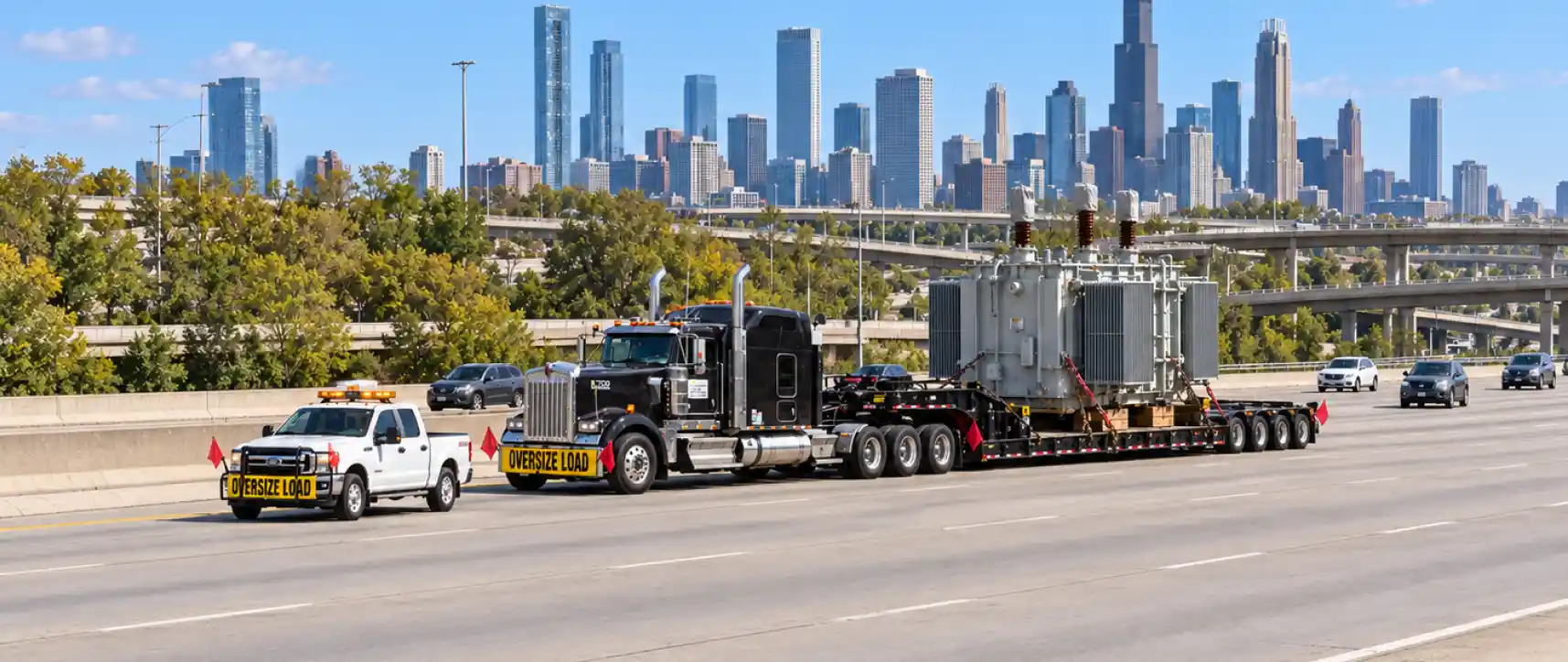
Oversize load travel windows vary by state, city, and route. Learn how rush-hour curfews and local restrictions affect interstate haul planning.
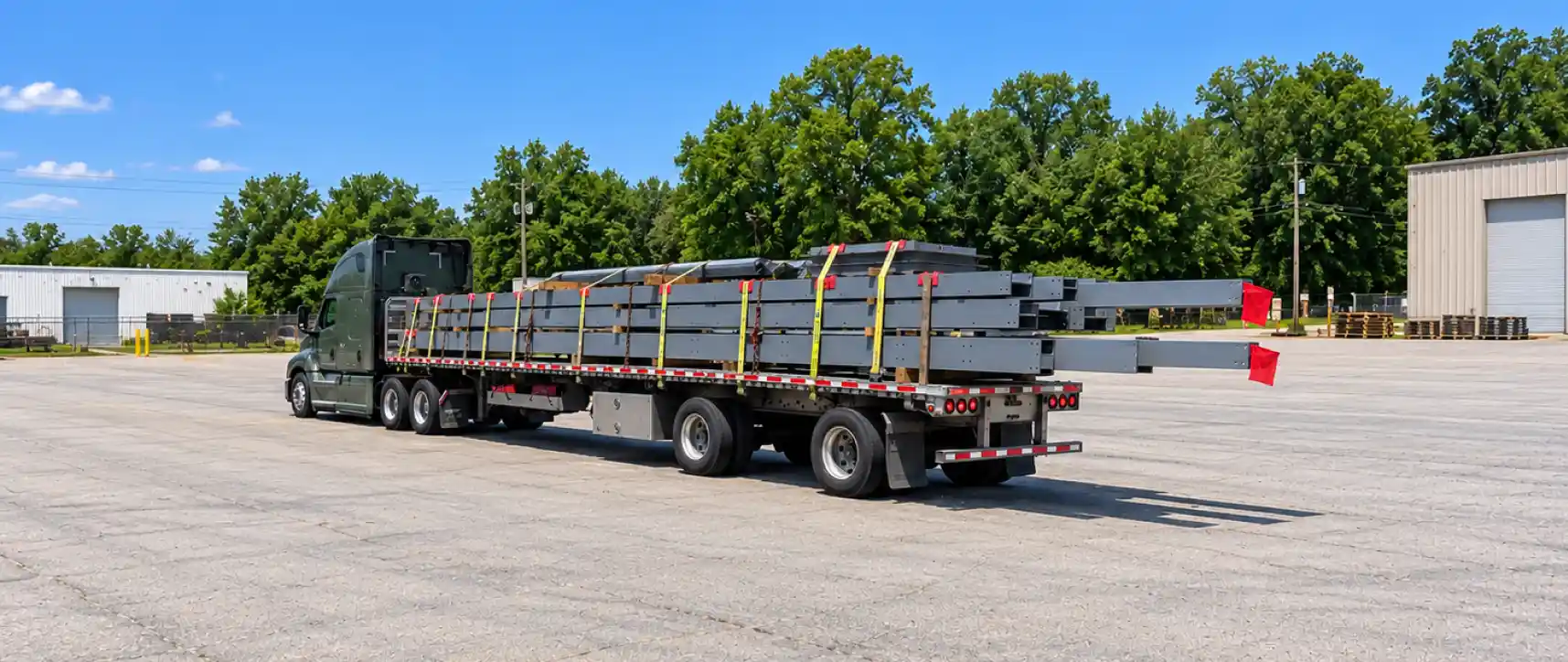
When does a long load require a permit? Learn how trailer length, cargo overhang, state rules, and escort requirements affect your next haul.
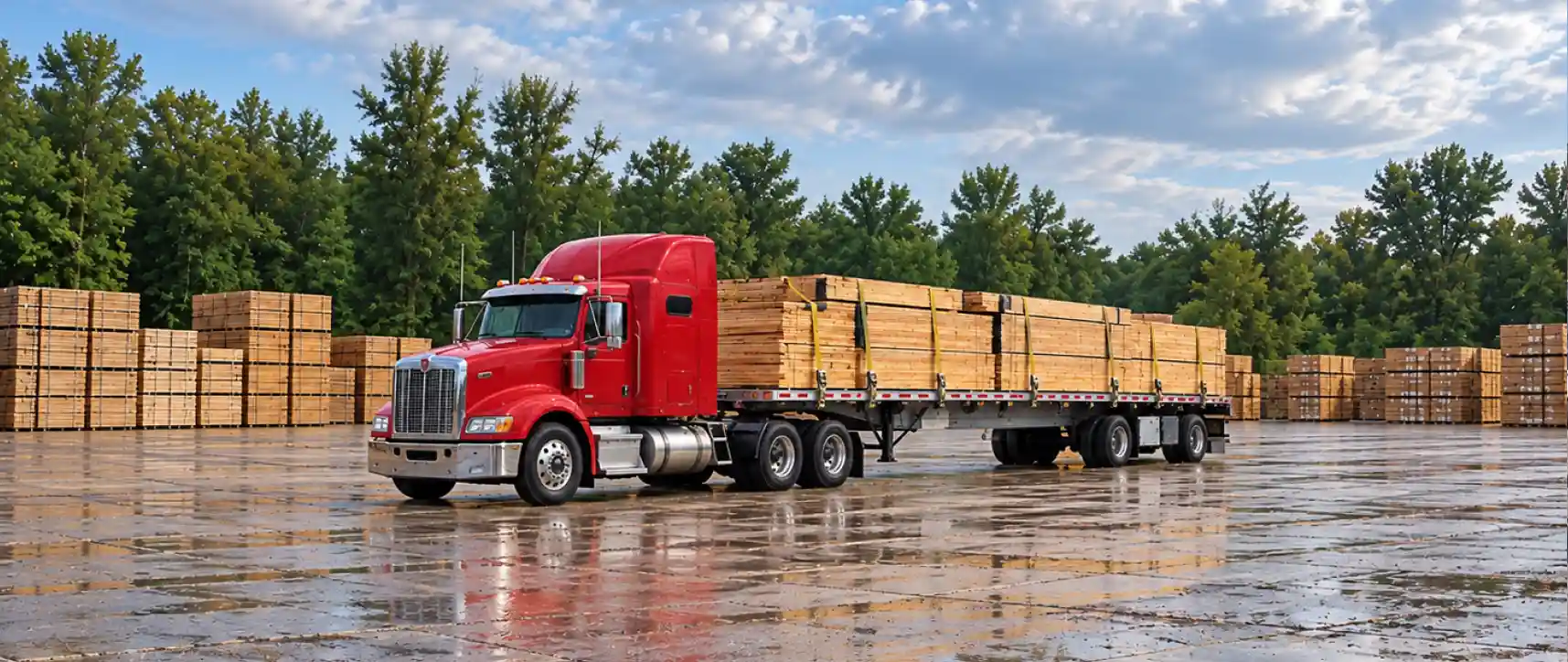
Can divisible cargo qualify for an overweight permit? Learn how state rules, seasonal exemptions, and port-specific provisions affect heavy freight shipments.
Oversize load travel windows vary by state, city, and route. Learn how rush-hour curfews and local restrictions affect interstate haul planning.
When does a long load require a permit? Learn how trailer length, cargo overhang, state rules, and escort requirements affect your next haul.
Can divisible cargo qualify for an overweight permit? Learn how state rules, seasonal exemptions, and port-specific provisions affect heavy freight shipments.