Free Quote

Setup


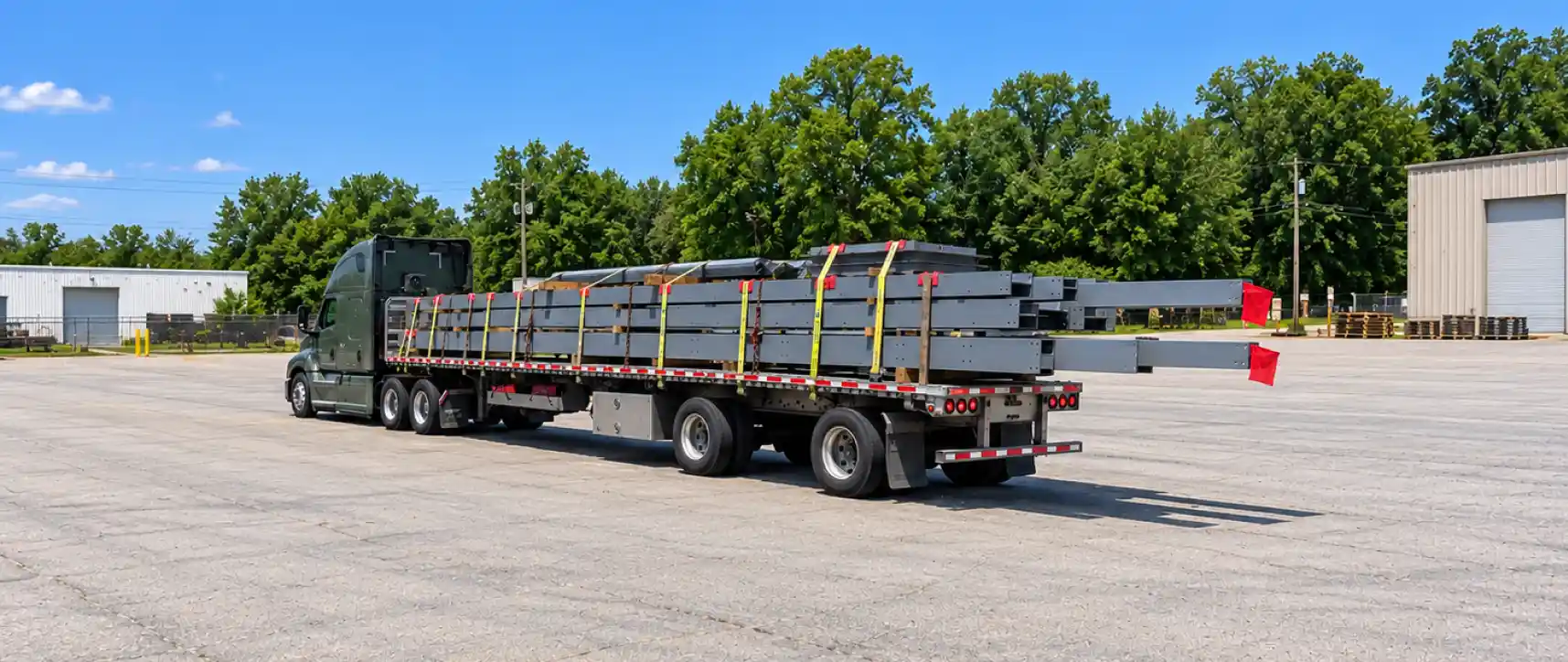
Maneuvering an eighty-foot concrete bridge girder through tight city intersections requires sheer driving mastery. Rear axles drag. Wide right turns force civilian traffic onto grassy shoulders. Moving stretched freight across multiple state lines brings immense logistical headaches. Everyone understands standard payload limits. Eighty thousand pounds represents our absolute legal ceiling for standard freight. But stretching out? That changes everything. Hauling wind turbine blades, extended construction crane booms, or massive steel pipes forces transport managers into complex compliance mazes. State police officers hunt unauthorized long loads aggressively. You absolutely must master precise overlength load requirements before sending expensive machinery down interstate highways. Otherwise, highway patrol shuts everything down. Law enforcement treats unpermitted lengths exactly like massive weight violations. Fines accumulate instantly.
Federal mandates generally allow standard fifty-three foot dry vans on interstate networks. Industry veterans call this STAA routing. However, individual states govern overall combination length once trucks exit major highways. Dragging fifty-three feet of trailer down rural county roads often triggers immediate legal trouble. State troopers measure everything meticulously. They pull out tape measures right on shoulder gravel. They check kingpin-to-rear-axle distances immediately. If your specialized step-deck or lowboy exceeds state-mandated limits, you suddenly need an overlength permit to avoid severe penalties.
Knowing strict regional rules regarding maximum trailer length prevents catastrophic delivery delays. Certain states cap overall tractor-trailer combinations at sixty-five feet total. Exceeding those specific markers means dispatchers must secure proper authorization immediately. You cannot just sneak stretched freight past local authorities. Midnight runs do not work. Scale houses operate twenty-four hours daily, and automated cameras capture vehicle dimensions constantly.
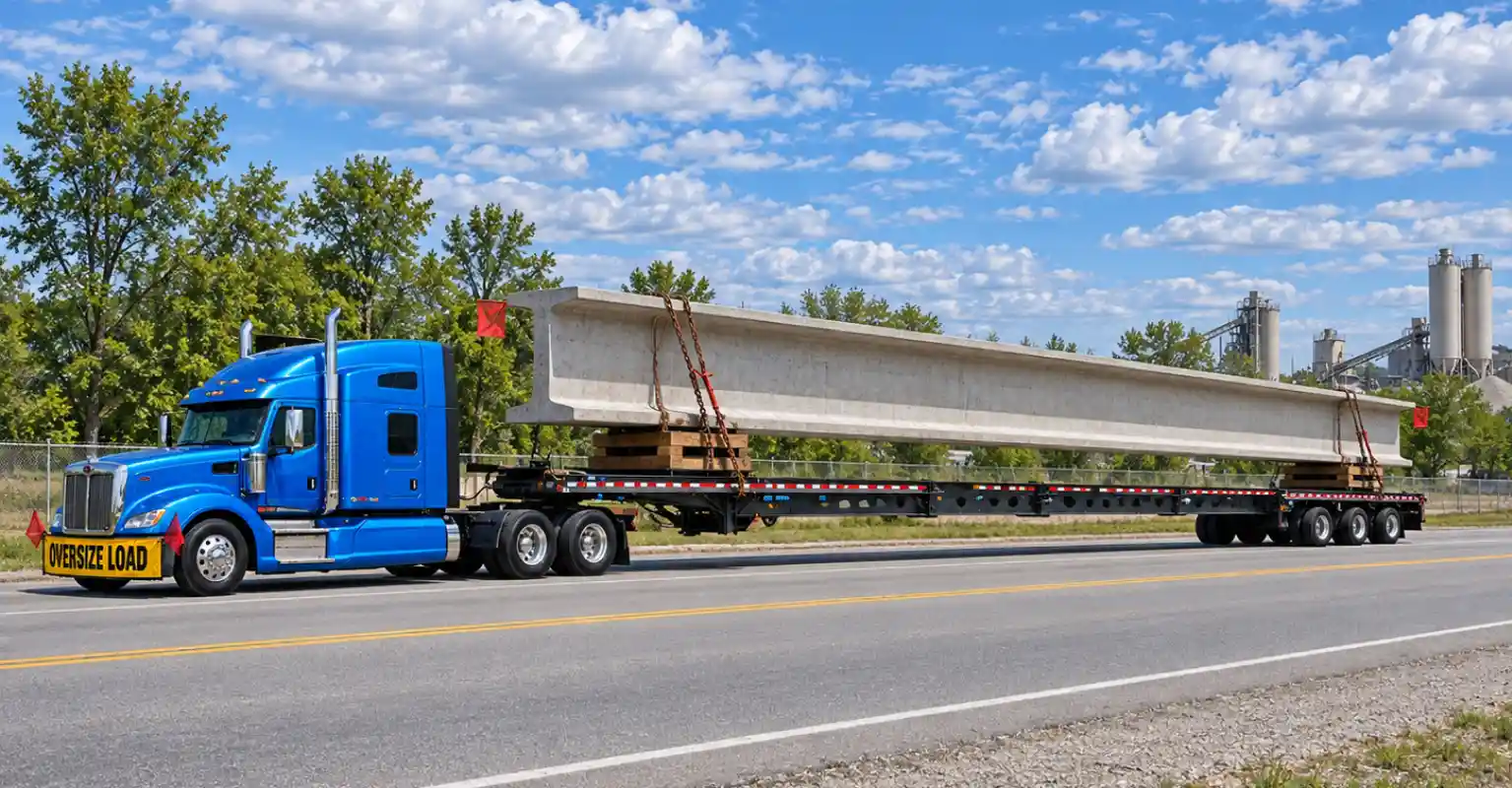
Freight rarely fits perfectly flush with standard flatbed edges. Cargo often hangs over front headers near cab headache racks. Sometimes it extends way past rear tailboards. Overhang regulations shift drastically whenever drivers cross state lines. Some local authorities let three feet hang off front cab guards and four feet stick out backward, demanding zero extra paperwork. Enter adjacent jurisdictions, and those exact same dimensions might demand an over length permit instantly. Stacking sixty-foot steel pipe sections onto standard forty-eight-foot step-decks? That spells instant rear overhang disaster.
Pushing cargo too far past trailer edges forces highway patrol officers into strict safety enforcement mode. Daytime transit requires drivers to strap specific red flags onto protruding ends. Run at night? You must mount amber and red strobe lights directly onto overhanging metal. Exceed ten feet of rear projection, and almost every state demands trailing escort vehicles. Standard flags fail miserably when cargo overhang reaches extreme lengths. Troopers step in. They mandate physical safety buffers. Pilot cars suddenly become mandatory. Bright amber roof beacons force civilian drivers back from dangerous tail swings near tight intersections.
Stretched trailers whip violently wide across sharp highway bends. Modern roundabouts act like concrete traps for stretched trailers. Professional route surveyors literally drive planned paths days beforehand. They measure turning radii, avoid active municipal construction zones, and calculate median crossover clearances, ensuring regular traffic stays safe from massive tail sweeps. Never rely on standard truck navigation blindly. One missed turn wedges eighty-foot bridge girders straight into concrete overpasses. It tears down civilian power lines. Extreme situations even require bucket trucks traveling ahead, manually lifting utility cables so massive loads clear safely underneath.
Local municipalities often restrict long loads from traveling during morning rush hour traffic. Holiday weekends bring absolute travel bans. Summer months force dimensional haulers into parking lots before sunset. Most territories strictly forbid nighttime transit for stretched cargo, keeping civilian motorists safe. Beating these complex logistical hurdles takes deep industry knowledge mixed with endless administrative patience. Need better strategies? We highly recommend checking our detailed guide explaining the challenges behind every oversize haul. It explains pilot car mandates, curfew restrictions, and municipal routing traps.
Handling dimensional freight burns out dispatch teams quickly. State regulations change constantly. What requires basic paperwork in Texas might trigger severe pilot car mandates and police escorts in Louisiana. Route planning demands absolute perfection. Minor clerical errors on state applications lead to immediate rejections. State clerks will deny paperwork if kingpin measurements look slightly incorrect. Your drivers sit at busy truck stops burning expensive diesel while compliance officers debate technicalities. Profit margins evaporate rapidly during such delays.
Smart logistics companies skip this nightmare entirely. Outsourcing bureaucratic friction saves money. Omni Star specializes in tearing apart complex regional codes and cutting through municipal red tape. Our compliance experts analyze exact cargo footprints, engineer safe routing trajectories, and rapidly secure those critical oversize permits your operation desperately needs. Acquiring any oversize permit takes precision. We handle exhausting administrative paperwork so your fleet keeps moving profitably. Do not let dimensional confusion paralyze your dispatch board. Our team ensures your drivers cross state lines legally, safely, and on schedule.
The efficiency of your daily broker and ways to check their credibility
Can divisible cargo qualify for an overweight permit? Learn how state rules, seasonal exemptions, and port-specific provisions affect heavy freight shipments.
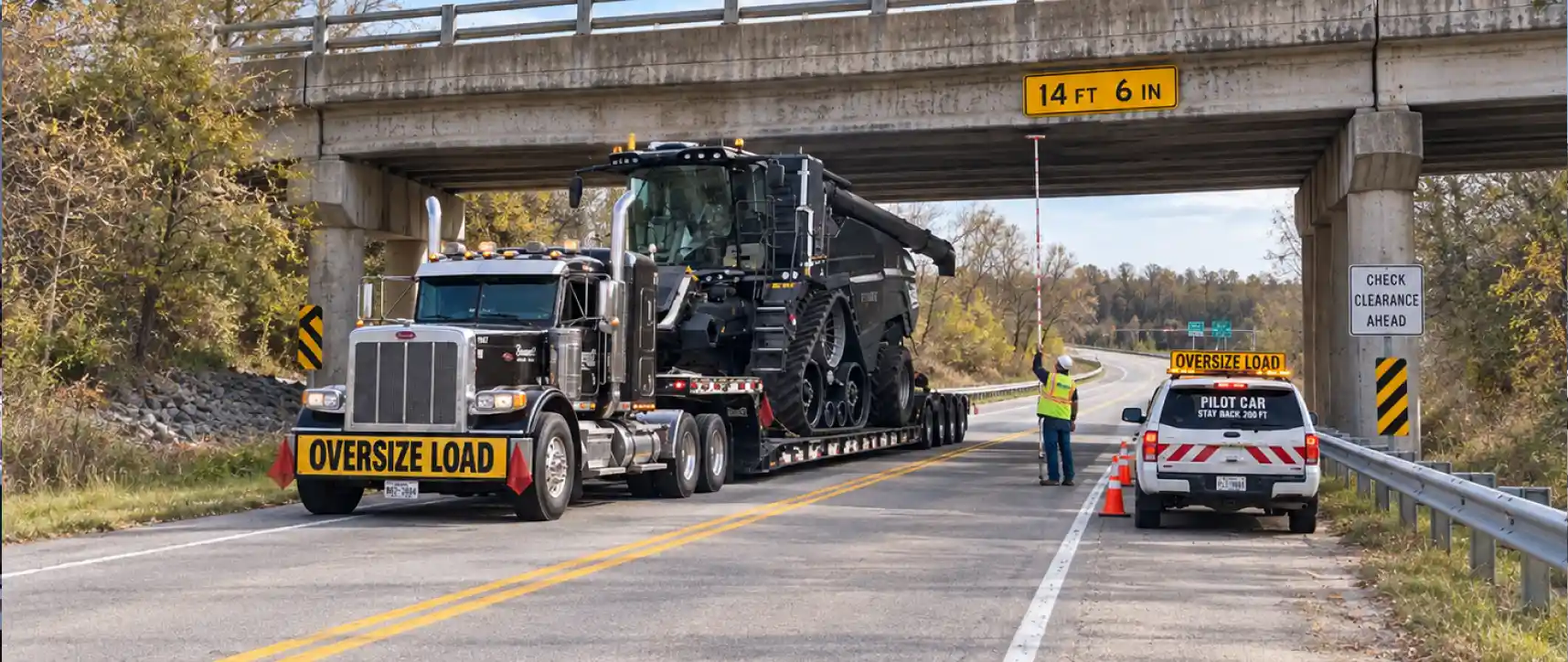
Learn when an overheight load requires a permit, including legal height limits, state-specific exceptions, bridge clearance risks, route surveys, pilot car requirements, and equipment choices.
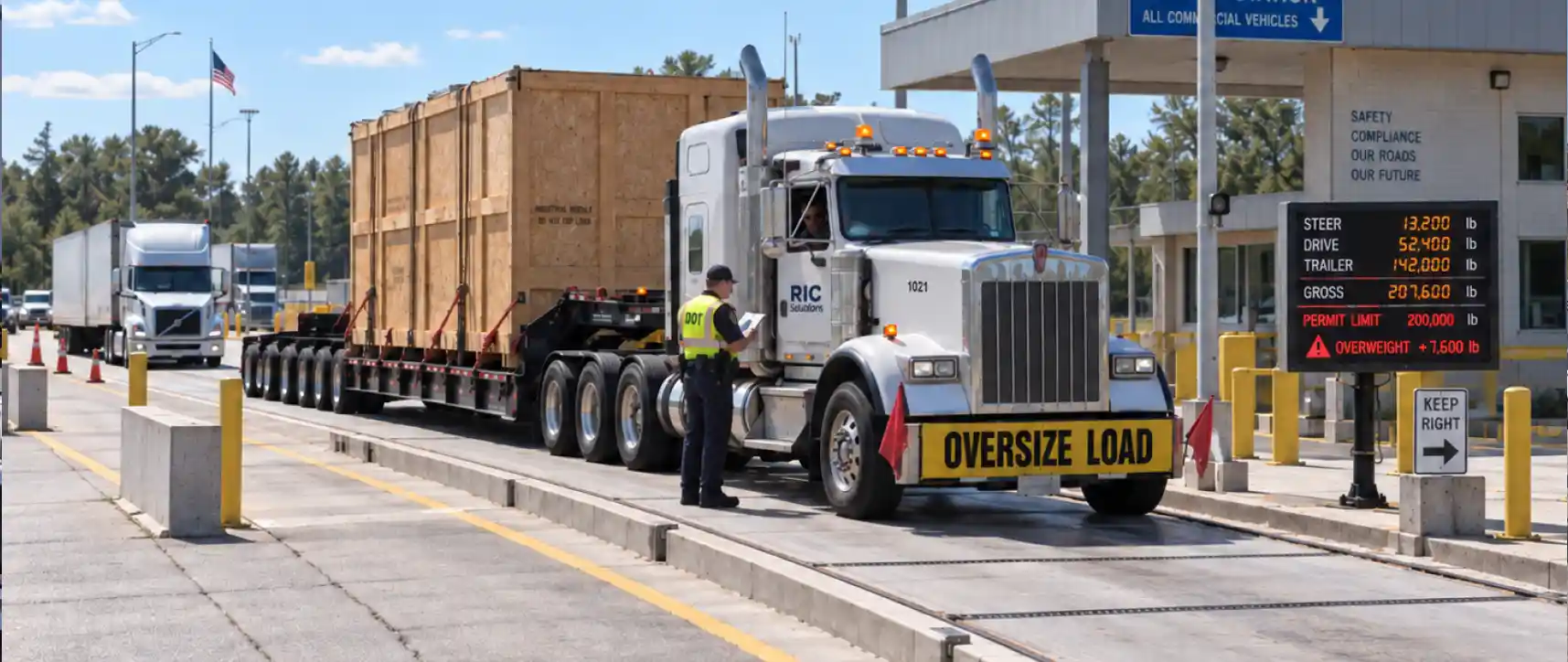
Learn what happens when a truck’s actual weight does not match its permit, including out-of-service orders, fines, cargo reconfiguration, axle violations, and long-term compliance risks.
Can divisible cargo qualify for an overweight permit? Learn how state rules, seasonal exemptions, and port-specific provisions affect heavy freight shipments.
Learn when an overheight load requires a permit, including legal height limits, state-specific exceptions, bridge clearance risks, route surveys, pilot car requirements, and equipment choices.
Learn what happens when a truck’s actual weight does not match its permit, including out-of-service orders, fines, cargo reconfiguration, axle violations, and long-term compliance risks.