Free Quote

Setup


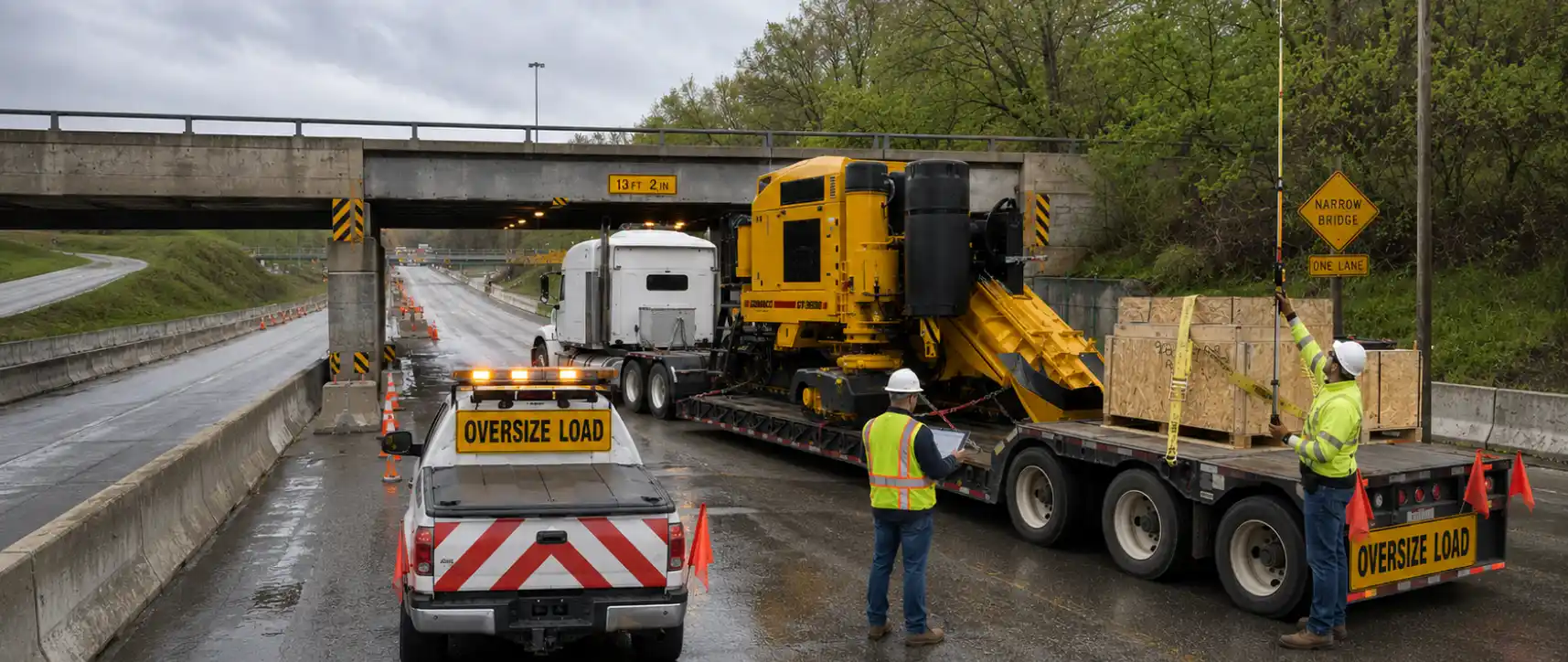
Transporting heavy machinery exceeds standard logistical models. Dispatchers face severe geometric constraints. Infrastructure dictates movement. Procuring any oversize load permit initiates complex engineering workflows. State computers analyze gross tonnage against bridge spans. Discrepancies ground freight instantly. Center of gravity calculations dominate pre-planning phases. Tall cargo raises tipping thresholds exponentially. Trailer deck height alters bridge clearance margins. Using standard flatbeds instead of removable goosenecks destroys vertical clearance. Dispatchers must calculate off-tracking metrics. Off-tracking measures trailer tire deviation during sharp turns. Severe off-tracking requires mandatory lane closures. Municipalities demand exact swept-path analysis documents before authorizing any dot oversize permit.
Kingpin-to-rear-axle measurements determine legal turning radiuses. Scale masters verify these distances using physical tape measures. Short wheelbases cause extreme trailer swing. Long wheelbases cause inner tandem drag. Navigating tight urban intersections requires perfect geometric balance. Axle weight distribution prevents pavement destruction. Federal Bridge Formula B mandates exact distances between axle groupings. Concentrating weight destroys concrete bridge decks. Spreading weight across tridem and quad axles preserves highway integrity. Dispatchers submit precise configurations. State software calculates pavement stress per square inch.
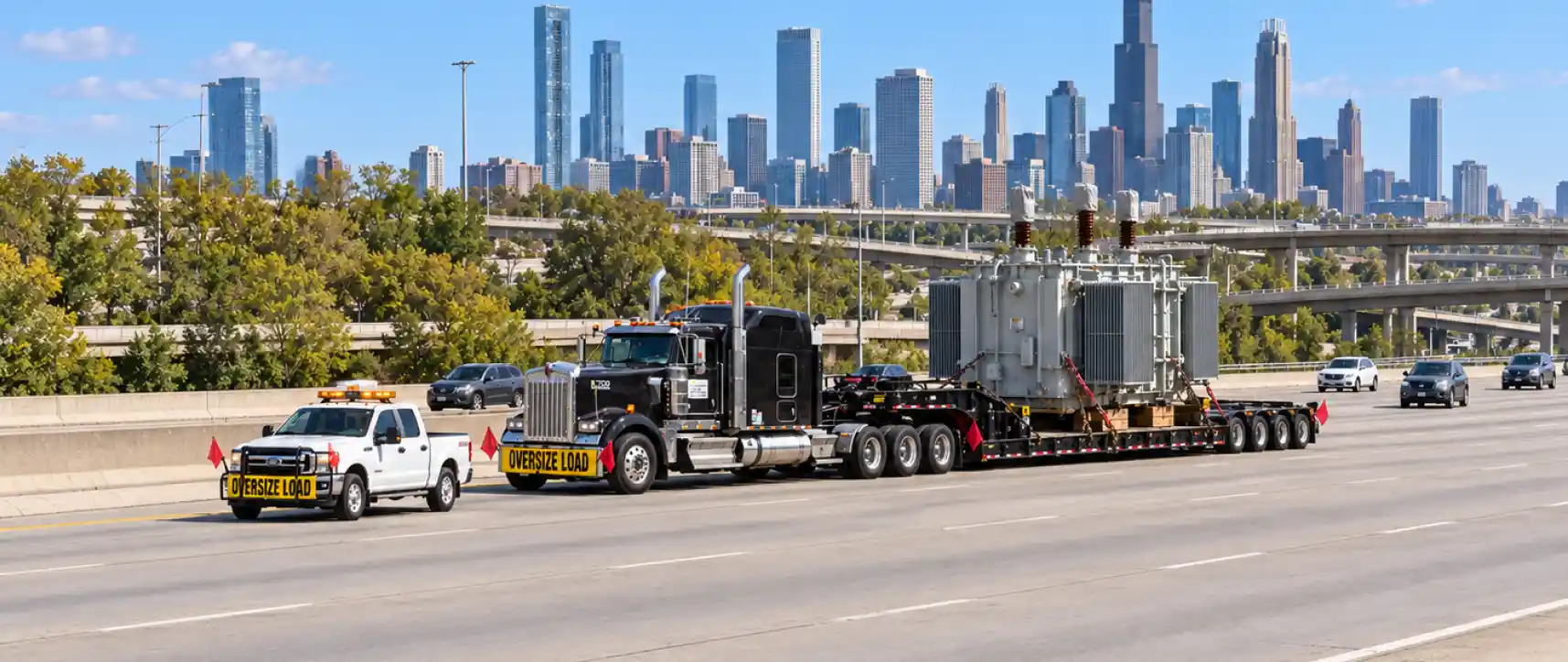
Equipment selection dictates operational success. Standard step-decks fail superload requirements. Hauling heavy transformers requires modular multi-axle combinations. Steerable dollies navigate tight intersection radiuses. Equipment dead weight subtracts from allowable payload mass. State engineers scrutinize axle spacing mathematically. Utilizing Schnabel configurations or self-propelled modular transporters alters weight distribution profiles drastically. Data entry must match physical metal rolling down highways. Mismatched suspension data triggers immediate application rejection. Air ride suspensions receive different weight allowances than mechanical spring suspensions. Hardware dictates highway access.
Route surveys expose hidden infrastructure hazards. Automated routing software misses live construction updates. Surveyors physically drive proposed routes measuring low-hanging utility cables and temporary concrete barriers. Roundabouts present severe geometric challenges. Long configurations physically cannot clear modern roundabout traffic circles. Bypassing physical surveys guarantees catastrophic bridge strikes. Securing professional oversize permits requires verified geometric data. State authorities reject applications lacking certified route clearance proof. Temporary lane shifts during highway construction alter available width daily. Surveyors identify these bottlenecks before trucks arrive.
Weather phenomena rewrite operational parameters instantly. Wind shear threatens high-profile cargo. Transporting wind turbine blades or empty storage tanks creates massive sail effects. Crosswinds exceeding 25 miles per hour mandate immediate parking protocols. Highway patrol officers monitor anemometers closely. Moving restricted permit loads during high-wind events triggers severe federal fines. Snowpack alters overpass clearances. Winter ice accumulation raises road surfaces, erasing vital vertical clearance inches. State departments monitor freeze-thaw cycles. Spring thaws trigger strict frost laws, banning heavy configurations from secondary routes. Thermal expansion during summer months alters bridge deck joints.
Braking physics compound daily operational stress. Stopping 150,000 pounds requires massive pneumatic force. Brake lag time increases linearly with combination length. Downhill grades overheat brake drums rapidly. Drivers utilize engine retarders aggressively. However, municipalities ban engine braking within city limits. Navigating steep grades requires specialized low-gear crawling. Auxiliary braking systems face intense DOT scrutiny during scale house inspections. Pneumatic leaks ground combination vehicles instantly. System pressure must maintain 120 psi minimum. Scale inspectors check brake pushrod travel using specialized calipers. Out-of-adjustment brakes yield immediate out-of-service violations.
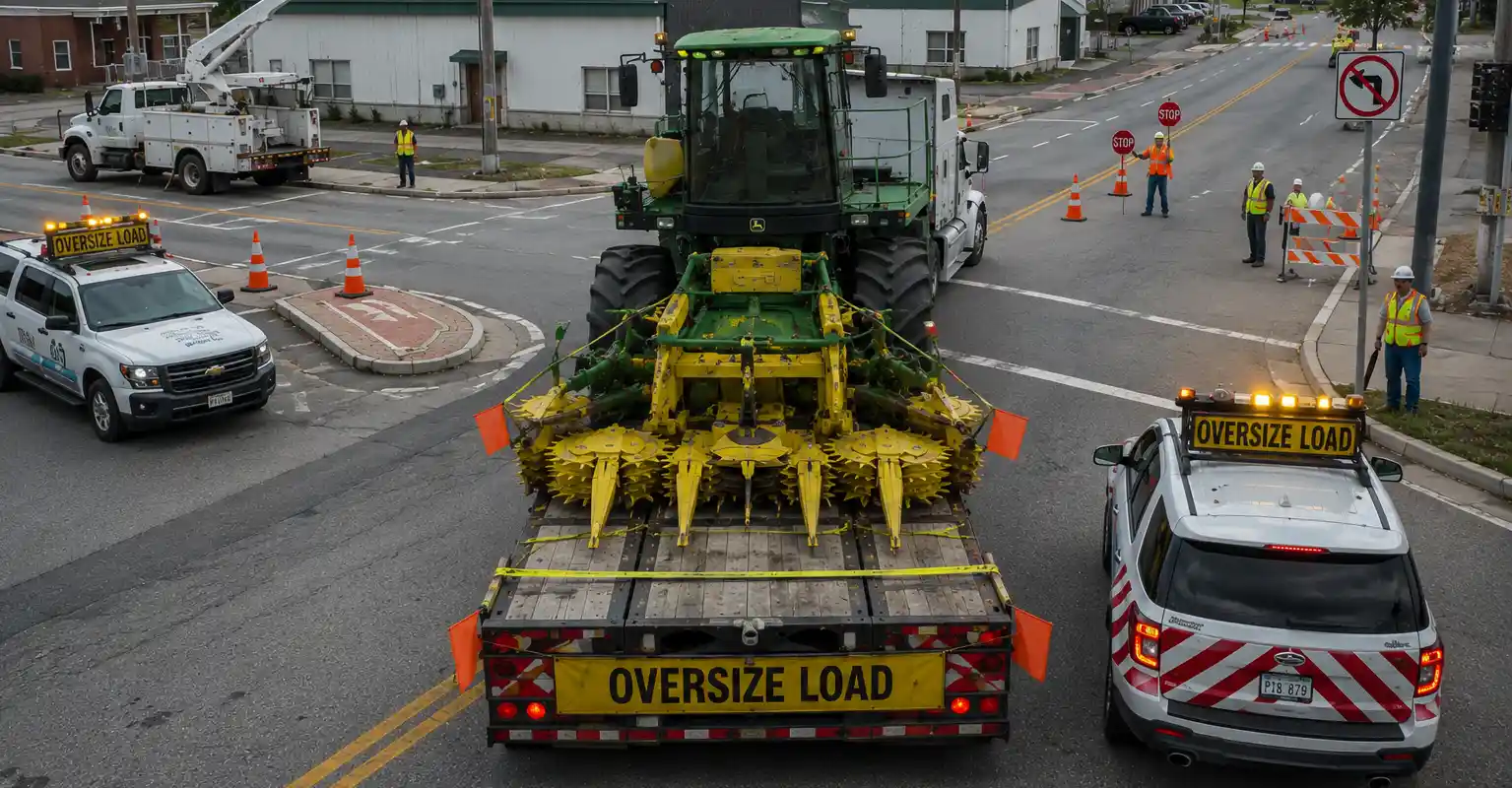
Bureaucratic friction destroys delivery timelines. Executing oversize hauling across state lines exposes massive regulatory inconsistencies. State departments of transportation operate siloed databases. Ohio routing algorithms conflict with Indiana geometric standards. Exit markers must align perfectly at state borders. Mismatched entry points invalidate both state approvals simultaneously. Travel curfews compound scheduling misery. Urban jurisdictions ban wide movement during morning rush hours. Holiday blackouts freeze heavy transport completely. Independence Day and Thanksgiving trigger total nationwide travel bans for dimensional freight. Toll booth lane width restrictions dictate specific highway bypasses.
Escort coordination requires military precision. State dimension thresholds dictate specific civilian pilot car deployments. Extreme widths mandate front and rear escorts. Front escorts operate fiberglass height poles verifying bridge clearances. Rear escorts manage trailing civilian traffic. Crossing center lines requires sworn police escorts. Law enforcement availability dictates departure schedules. Missing scheduled police escorts resets entire routing timelines. Utilizing an experienced oversize permit service prevents scheduling disasters. Specialized agencies synchronize municipal police escorts, bucket truck wire lifters, and civilian pilot cars effortlessly. Utility crews must lift live power lines over superload cargo.
Financial liability eclipses standard transport risks. Hauling dimensional freight requires specialized insurance riders. Standard cargo policies exclude unpermitted dimensional transport. Striking municipal infrastructure without proper documentation bankrupts motor carriers. Bridge inspection teams charge thousands per hour checking structural integrity post-collision. Proper oversize permit acquisition transfers specific liabilities. State engineers assume responsibility for approved routing calculations. Deviating from approved routes nullifies this protection instantly. GPS telematics track exact truck movements. Law enforcement utilizes telematics data during collision investigations. Surety bonds guarantee payment for municipal infrastructure damage.
Weigh station enforcement remains ruthless. Scale masters deploy physical tape measures verifying submitted dimensions. Discrepancies exceeding two inches trigger out-of-service orders. Law enforcement compares Vehicle Identification Numbers against approved documents. Tractor breakdowns require complete document regeneration. Swapping trailers mid-route invalidates existing approvals. Strict fleet discipline prevents administrative grounding. Dispatchers must submit flawless technical specifications. Mathematical accuracy dictates highway velocity. Error-free data submissions guarantee steady freight movement and preserve heavy haul profit margins. Motor carrier safety scores plummet following dimensional citations.
The efficiency of your daily broker and ways to check their credibility
Oversize load travel windows vary by state, city, and route. Learn how rush-hour curfews and local restrictions affect interstate haul planning.
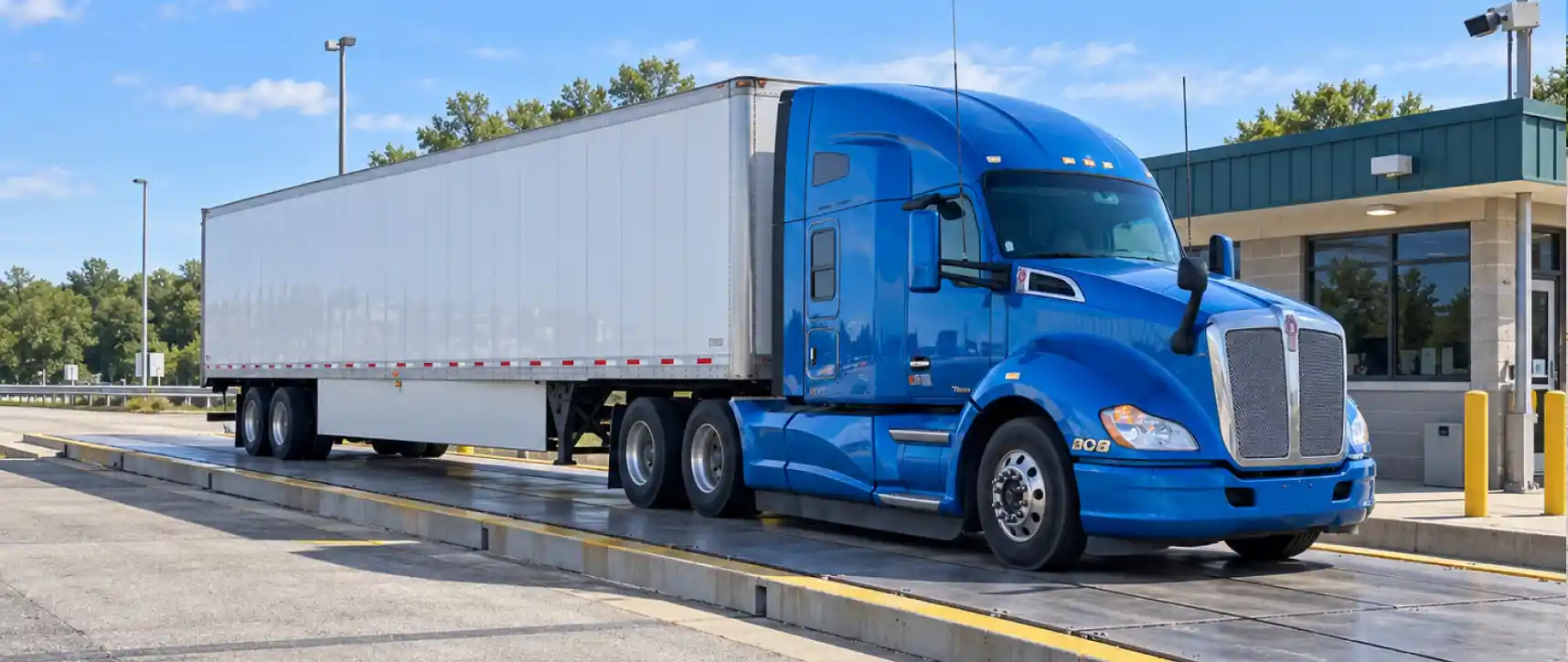
Understand US commercial truck weight limits, from gross vehicle weight to axle loads, state exceptions, and overweight permit requirements.
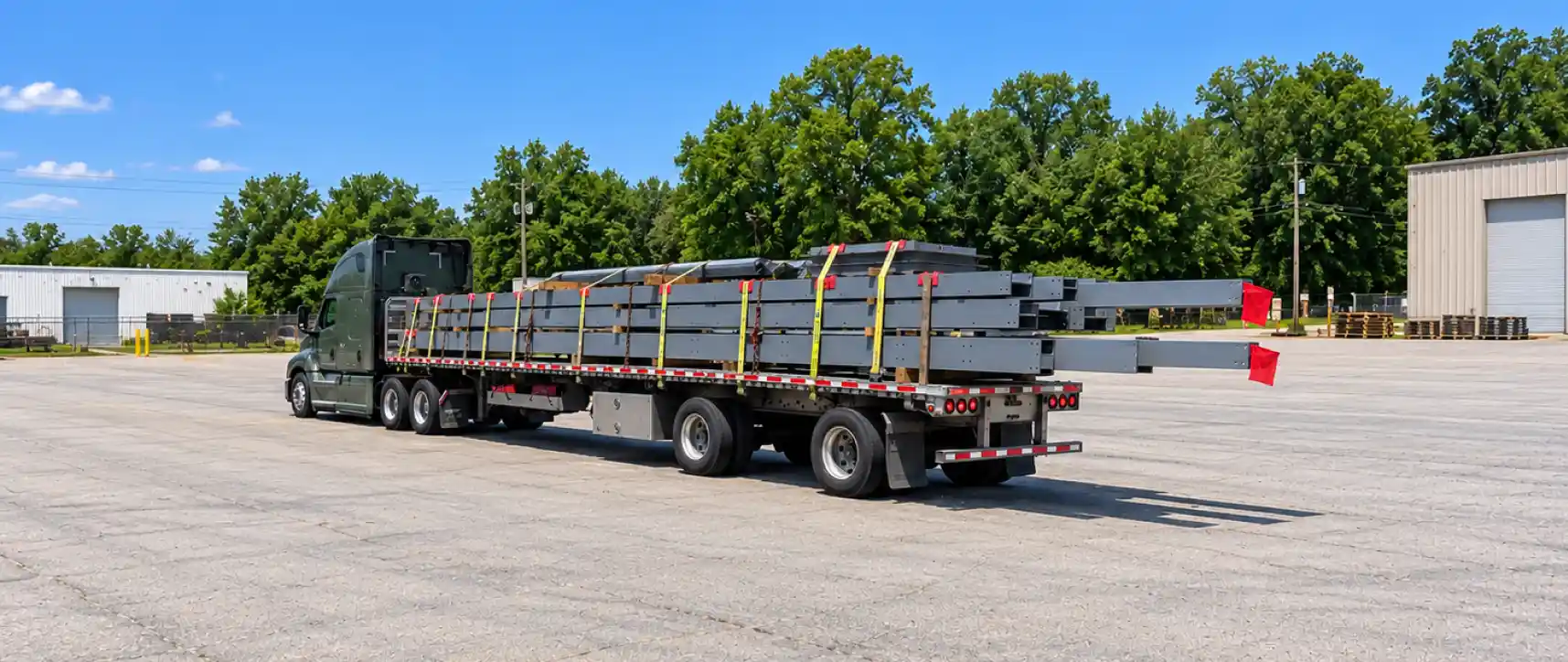
When does a long load require a permit? Learn how trailer length, cargo overhang, state rules, and escort requirements affect your next haul.
Oversize load travel windows vary by state, city, and route. Learn how rush-hour curfews and local restrictions affect interstate haul planning.
Understand US commercial truck weight limits, from gross vehicle weight to axle loads, state exceptions, and overweight permit requirements.
When does a long load require a permit? Learn how trailer length, cargo overhang, state rules, and escort requirements affect your next haul.