Free Quote

Setup



Every logistics manager and fleet operator knows scale house inspection anxiety. Trucks pull onto concrete pads; digital screens flash raw load reality. Total gross tonnage matters, undoubtedly. However, enforcement officers focus intensely on specific weight distribution. Pavement engineering dictates highway laws. Roads deteriorate rapidly under concentrated stress points, not just overall mass. Understanding exactly how tonnage translates to ground pressure separates profitable hauling operations from compliance nightmares.
Modern highway enforcement relies heavily upon advanced technology. Weigh-in-motion sensors embedded directly into interstate asphalt constantly monitor commercial traffic passing overhead. These hidden devices calculate precise axle weight at highway speeds, automatically flagging non-compliant vehicles. Evading detection has become virtually impossible today. Therefore, proactive load planning remains absolutely crucial. Transporting structural steel, oversized machinery, or dense concrete requires meticulous pre-trip calculations. Dispatchers must run mathematical models predicting exactly how cargo placement affects every single wheel group.
Federal guidelines require absolute precision. Logistics planners must memorize dot weight limits per axle avoiding catastrophic routing failures alongside massive fines. Highway law typically restricts steering setups to 12,000 pounds, ensuring drivers maintain proper vehicle control. Single drive setups max out at exactly 20,000 pounds. Tandem configurations handle heavier burdens, allowing up to 34,000 pounds across linked pairs. Pushing any mechanical group toward full capacity means your specific footprint reaches absolute legal thresholds.
Hitting that maximum axle weight demands extreme caution from loading dock crews. Surpassing any designated axle weight limit instantly categorizes shipments as illegal, regardless of empty volumetric space remaining inside dry vans or flatbeds. Ignorance provides no legal defense during roadside inspections. Operators facing violations endure severe financial penalties, delayed delivery schedules, and damaged client relationships. Understanding truck axle weight dynamics prevents these entirely avoidable logistical disasters.
Analyzing rear combination elements reveals common compliance failure points. Federal trailer axle weight limit regulations strictly dictate freight placement strategy. Positioning dense, heavy objects dead center might seem logical preventing rollover risks, but such placement creates massive pressure spikes on trailer decks. Cargo must sit perfectly balanced over support structures. Drivers utilizing smaller, specialized equipment face even tighter margins. Calculating precise single axle trailer weight limit parameters demands exact cargo loading because smaller rigs lack secondary wheel groups capable of dispersing physical burdens effectively.

When enforcement algorithms detect rigs running overweight on trailer axle, transport halts immediately. Scale masters issue citations. Operations freeze instantly. Furthermore, violations negatively impact carrier safety scores, triggering more frequent future audits. Federal Motor Carrier Safety Administration algorithms track every single infraction, compounding future operational risks. Poor scores drive insurance premiums skyward, eroding corporate profitability.
Drivers caught overloaded must manually slide fifth wheels, shift trailer tandems, or order heavy-duty forklifts physically repositioning cargo directly on scale ramps. Rework kills scheduling predictability. Imagine coordinating cranes, riggers, and receiving crews at destination sites, only to have trucks impounded hundreds of miles away. Profit margins evaporate instantly under crushing financial penalties. Secondary transport units sometimes become necessary, splitting original loads across multiple vehicles just satisfying highway patrol officers.
How do heavy haulers bypass strict physical limitations? Secrets lie within mechanical geometry. Adding axles fundamentally changes transportation math. Axle configuration directly dictates total hauling capacity. Standard five-axle semi-trucks hit ceilings at 80,000 pounds. Upgrading toward six, seven, or nine-axle configurations radically expands cargo possibilities. Federal Bridge Gross Weight Formula mathematics govern entire structural relationships. Extending distance between extreme vehicle ends while increasing total wheel counts mathematically guarantees higher legal capacities.
Expanding wheel counts slashes ground pressure exerted per tire. State civil engineers calculate bridge tolerances and pavement longevity based entirely upon exact dispersion metrics. Specialized transport companies invest millions buying multi-axle trailers, incorporating jeeps, stingers, and hydraulic lift systems manipulating physical formulas legally. More wheels spread across longer wheelbases equal less concentrated force tearing up highway infrastructure. Equipment customization allows carriers handling massive payloads safely without destroying asphalt surfaces.
However, certain mammoth cargo simply cannot undergo dismantling. Industrial transformers, military equipment, massive wind turbines, and construction excavators ship as indivisible single units. Disassembly ruins structural integrity or violates manufacturing warranties. When load shifting proves mathematically impossible and standard multi-axle setups fall short regarding legal requirements, bureaucracy provides final solutions. Carriers need official governmental authorization bypassing standard highway restrictions legally. Bureaucratic navigation becomes just as important as driving skill.
Securing an overweight permit becomes mandatory. State departments overseeing transportation issue vital authorization documents only after scrutinizing exact equipment geometry. Routing officials evaluate structural bridge capacities, traffic flow patterns, and specific highway integrity along proposed paths. Officials demand exact measurements: spacing between tire groups alongside projected tonnage resting upon each specific group.
If specialized configurations spread extreme loads adequately across pavement, state engineers approve routes. Authorized documents act as ironclad legal shields against massive non-compliance fines and forced offloads. Fleet managers must ensure final paperwork matches actual physical scale tickets perfectly. One wrong measurement or slight miscalculation invalidates authorization instantly, stranding freight indefinitely. State troopers scrutinize these permits mercilessly.
Modern logistics demands constant vigilance regarding equipment specifications. Trailer dimensions, tire ratings, suspension types, and kingpin settings all factor into final approval equations. Master logisticians build comprehensive route surveys detailing every overpass, tight corner, and weight-restricted bridge along intended travel paths. Combining correct physical equipment alongside flawless administrative preparation guarantees success. Mastering weight distribution forms absolute foundations building modern heavy-haul operations, transforming complex regulatory hurdles into routine daily victories.
The efficiency of your daily broker and ways to check their credibility
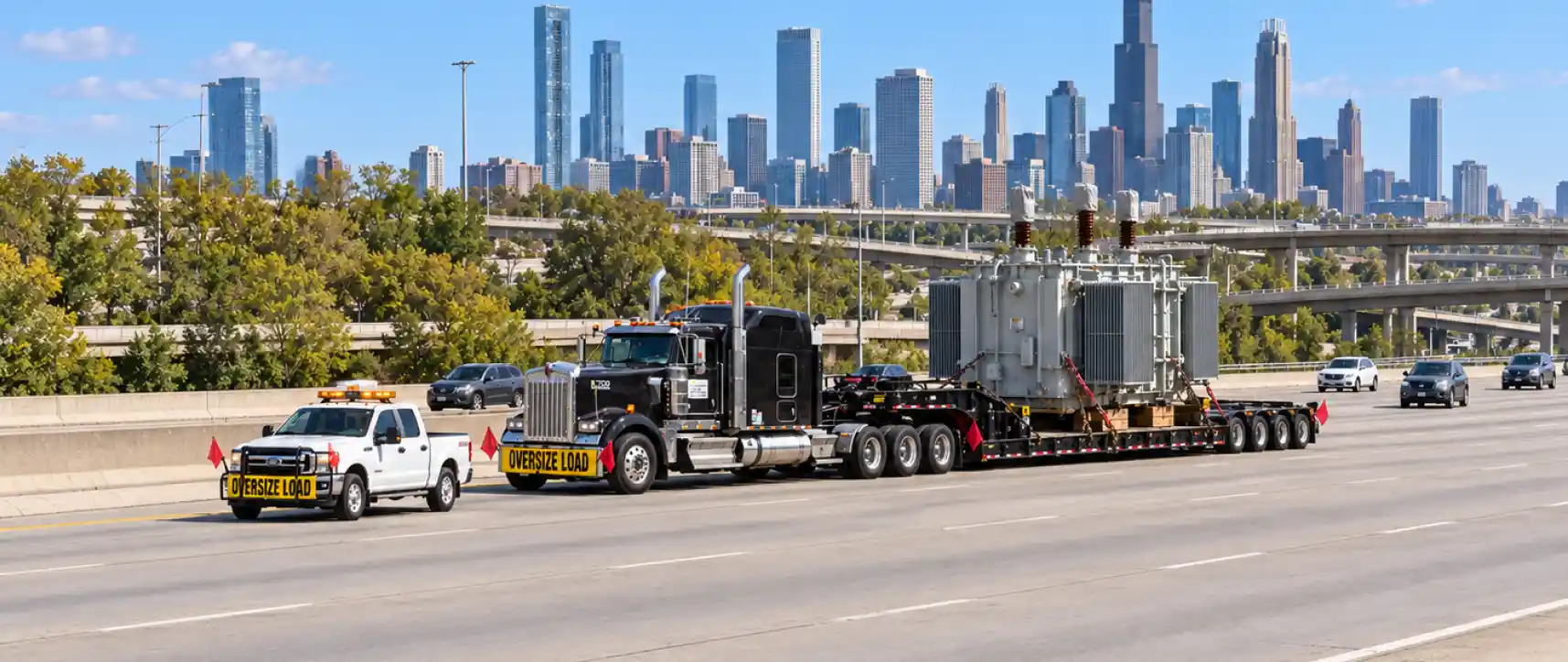
Oversize load travel windows vary by state, city, and route. Learn how rush-hour curfews and local restrictions affect interstate haul planning.
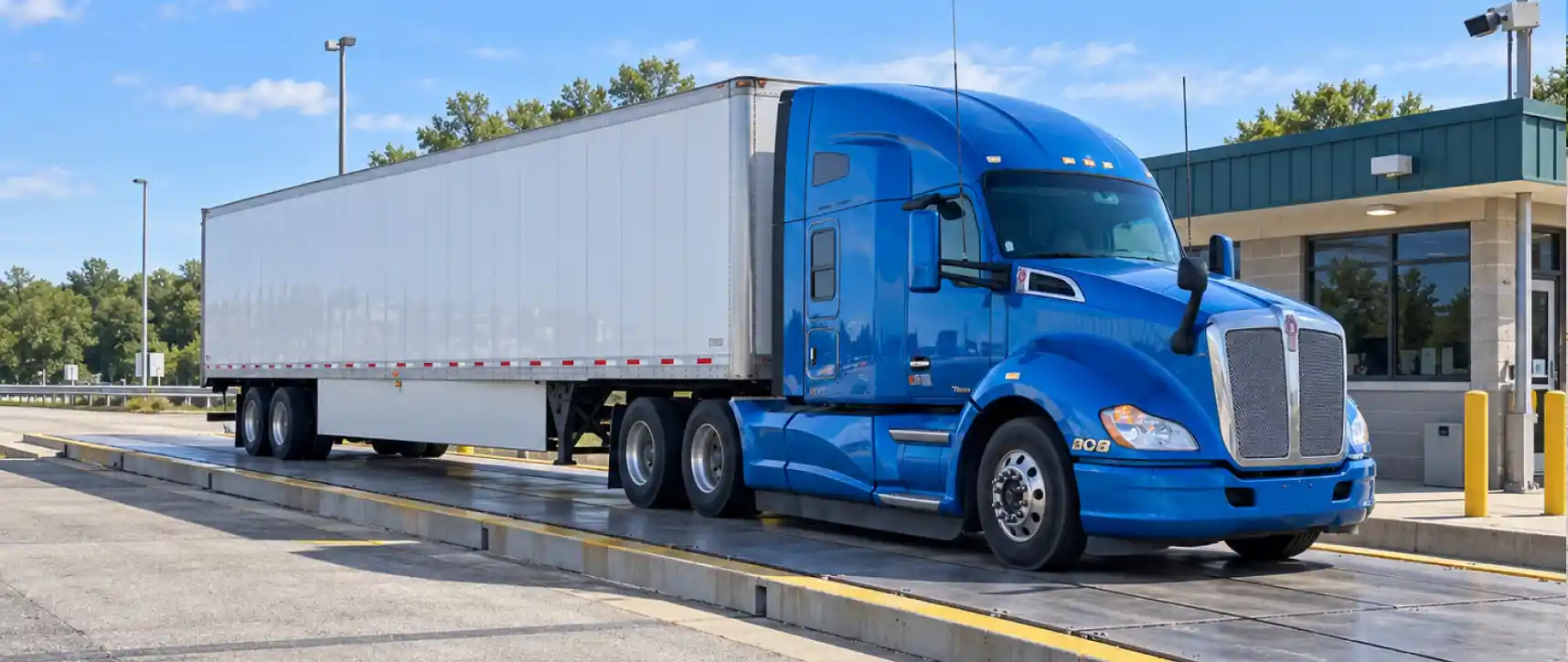
Understand US commercial truck weight limits, from gross vehicle weight to axle loads, state exceptions, and overweight permit requirements.
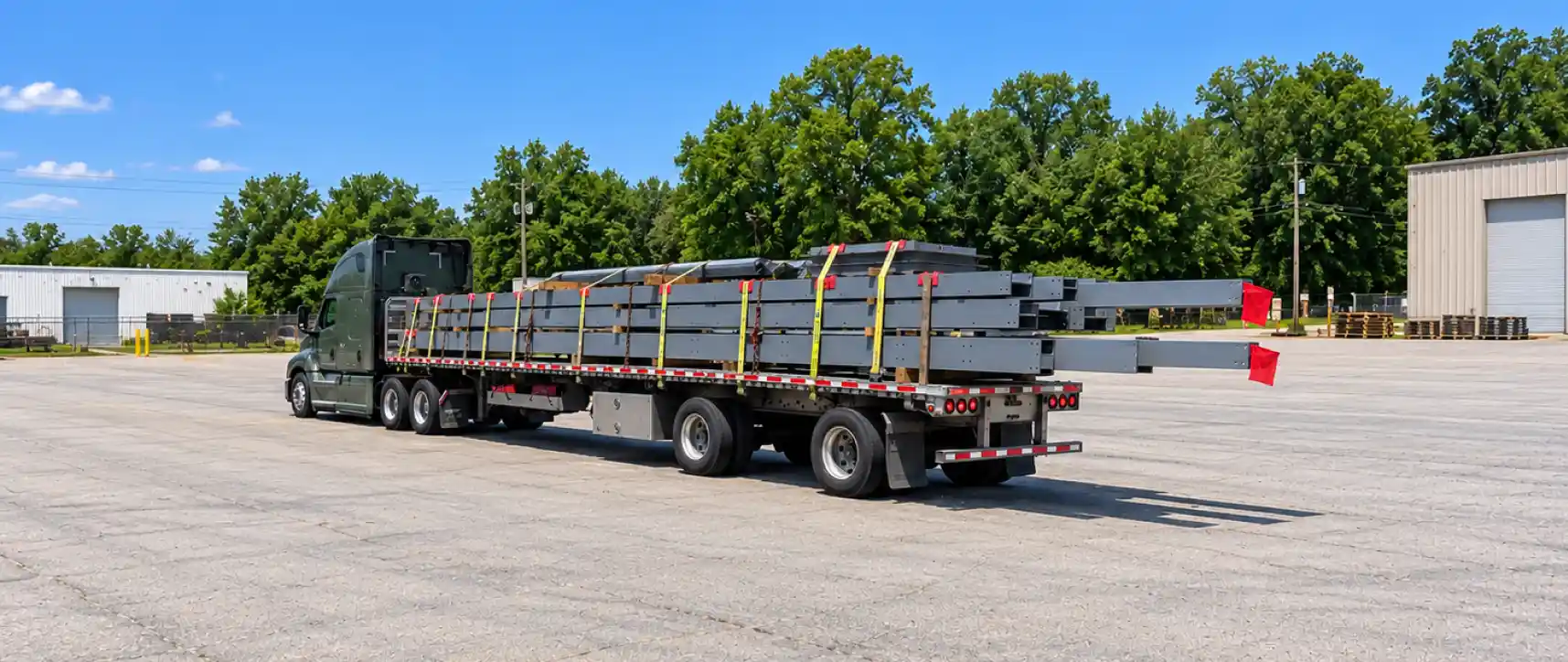
When does a long load require a permit? Learn how trailer length, cargo overhang, state rules, and escort requirements affect your next haul.
Oversize load travel windows vary by state, city, and route. Learn how rush-hour curfews and local restrictions affect interstate haul planning.
Understand US commercial truck weight limits, from gross vehicle weight to axle loads, state exceptions, and overweight permit requirements.
When does a long load require a permit? Learn how trailer length, cargo overhang, state rules, and escort requirements affect your next haul.