Free Quote

Setup


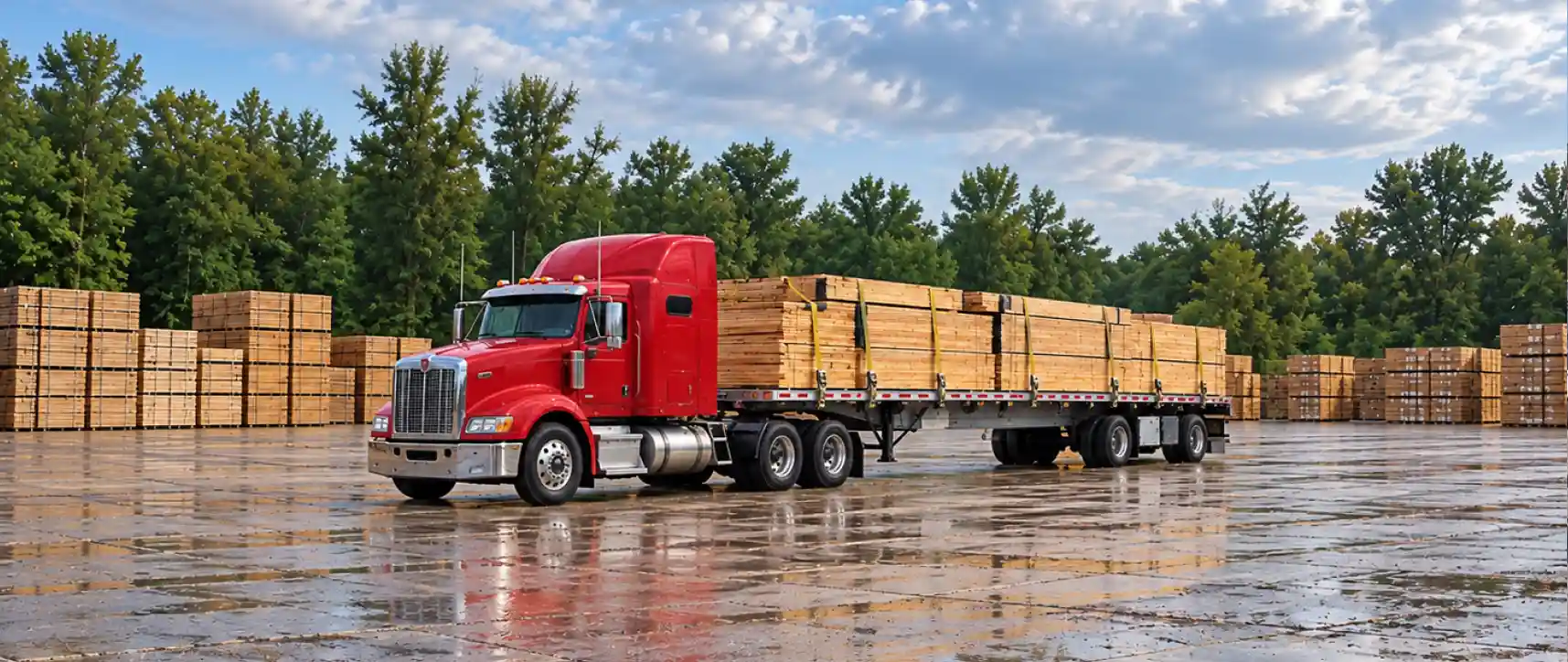
Let's face facts. Pulling into a weigh station and seeing red lights flash on the scale house board is a dispatcher's absolute worst nightmare. You immediately know what comes next. Monster fines. Heavy-duty tow trucks. Furious clients blowing up your phone demanding answers. By federal law, standard commercial trucks max out at exactly 80 thousand pounds of gross vehicle weight. Once you breach that ceiling, you suddenly step into a massive regulatory minefield.
Now, if you are hauling a giant, fully assembled factory transformer or perhaps a massive military tank, things are relatively straightforward. You just apply for standard heavy haul exemptions. Regulators consider that a non divisible load. You obviously cannot grab a chainsaw and cut a bulldozer in half just to please a DOT inspector. The government understands this physical limitation. But what happens if your trailer is packed with stuff that can easily be taken apart? We're talking about stacked lumber, pallets of roofing shingles, liquid chemicals, or bulk agricultural grain.
In the eyes of highway engineers, that cargo is completely separable. If a standard warehouse crew can dismantle your shipment in less than eight hours without ruining its market value, officials expect you to hire a second truck. They simply don't want you paying a small fee to destroy public roads. Concentrated axle weight pulverizes concrete. You might think getting an overweight permit for easily separated freight is completely impossible. Read the federal rulebook cover to cover, and you'd think it's a lost cause. But domestic freight actually survives on a wild mix of obscure legal carve-outs, old political handshakes, and hyper-local exemptions.
Historically, domestic transport laws resemble a chaotic jigsaw puzzle. Back in 1956, Washington lawmakers tried standardizing interstate weight limits to protect newly poured asphalt. Certain heavily industrialized regions fought back hard. States depending heavily on steel mills, raw timber logging, and car manufacturing already allowed incredibly heavy multi-axle trucks on their pavement. Forcing those local economies to suddenly cut their payloads would have bankrupted thousands of businesses overnight.
So, politicians struck a compromise. Congress granted specific states grandfather rights, allowing them to keep older, much heavier weight limits on the books for designated routes. Because of this massive historic loophole, acquiring a divisible load overweight permit happens every single day in certain parts of the country. Look at Michigan. State authorities routinely allow highly specialized quad-axle setups to gross over 160 thousand pounds legally. As long as you operate strictly inside those protected zones, getting a divisible load permit just requires filing the right paperwork and paying state-mandated fees.
But here is the catch—and it usually ruins rookie fleet managers. Geography dictates your survival. State-issued authorizations become totally worthless the exact second your steer tires cross a border into a non-exempt jurisdiction. You could be hauling 100 thousand pounds perfectly legally in New York. Hit the neighboring state line, however, and you instantly transform into a severe federal violator. Modern highway patrols use Weigh-In-Motion sensors embedded directly into the pavement. Those hidden cameras know you're running heavy before you even spot the patrol cruiser parked in the median. One wrong turn off your approved route voids your coverage entirely, leaving you exposed to catastrophic CSA score penalties.
Beyond historical political favors, two specific industries regularly score heavy haul passes for separable cargo. Take the farming sector. When fall harvest kicks into high gear, growers face a brutal ticking clock. They have to drag millions of tons of raw corn and sugar beets out of the mud and into local elevators before a hard freeze ruins the yield. Standard weight caps would cause immediate agricultural gridlock. To avoid complete supply chain collapse, rural lawmakers frequently issue emergency seasonal weight waivers. These localized documents allow farmers and contracted haulers to move heavy bulk loads over short county distances without breaking them down. It literally saves crops from rotting in the dirt.
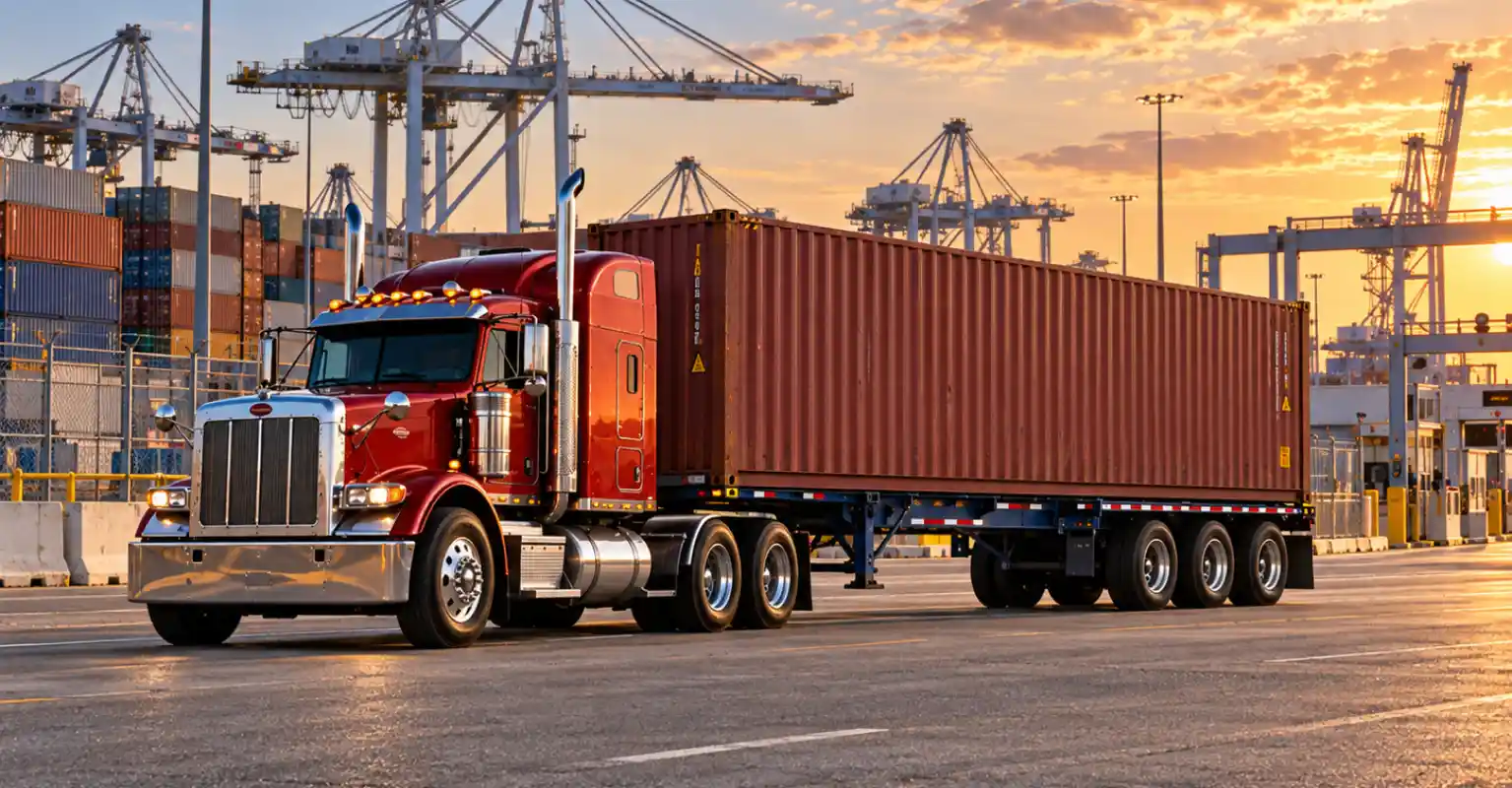
International seaports present another fascinating exemption zone. Global ocean shipping runs on metric tons, completely ignoring American bridge formulas. When cargo ships drop sealed ISO containers onto coastal docks, forcing customs agents to crack security seals and physically split imported goods on the tarmac creates pure logistical paralysis. Terminal congestion would spike instantly. To prevent port gridlock, coastal authorities issue targeted routing exceptions for sealed maritime containers. They temporarily classify these heavy steel boxes as indivisible units. Specialized tri-axle chassis can then drag overweight ocean freight straight from the port directly into inland bonded warehouses. Drayage operators rely entirely on this specific legal workaround. Without it, major ports would choke on their own freight within a week.
Navigating these localized loopholes requires serious administrative firepower. Getting caught off guard without the right authorization means paying for cross-docking facilities, forklift rentals, and secondary trucks. Those unexpected expenses obliterate profit margins instantly. State permitting offices show zero mercy regarding clerical errors. Mess up an axle measurement by two inches. Misread the bridge formula. The state clerks will toss your application straight into the trash without a second thought. That leaves your expensive rig burning diesel on the shoulder while you frantically try to untangle the red tape.
Fleet managers absolutely need to study compliance mechanics. We strongly suggest reading our comprehensive breakdown on how to get an overweight permit for heavy haul commercial trucking loads. That resource maps out exact tractor specifications, routing requirements, and timeline expectations needed to secure government approvals predictably. Knowledge truly is power in this business.
There is zero reason to tackle this regulatory nightmare by yourself. Forcing your dispatchers to untangle complex state waivers just burns them out. It pulls their focus away from actual fleet management. Professional fleets rely on dedicated agencies to shield their operations from severe compliance risks. Omni Star specializes in dissecting complex localized regulations. Our experts analyze your specific cargo, engineer precise legal routes, and rapidly secure those essential overweight permits your fleet needs to keep moving. We handle the exhausting red tape so your drivers can focus entirely on safe transit. Mastering separable freight logistics takes targeted knowledge, but working with the right partner turns regulatory obstacles into highly profitable revenue streams.
The efficiency of your daily broker and ways to check their credibility
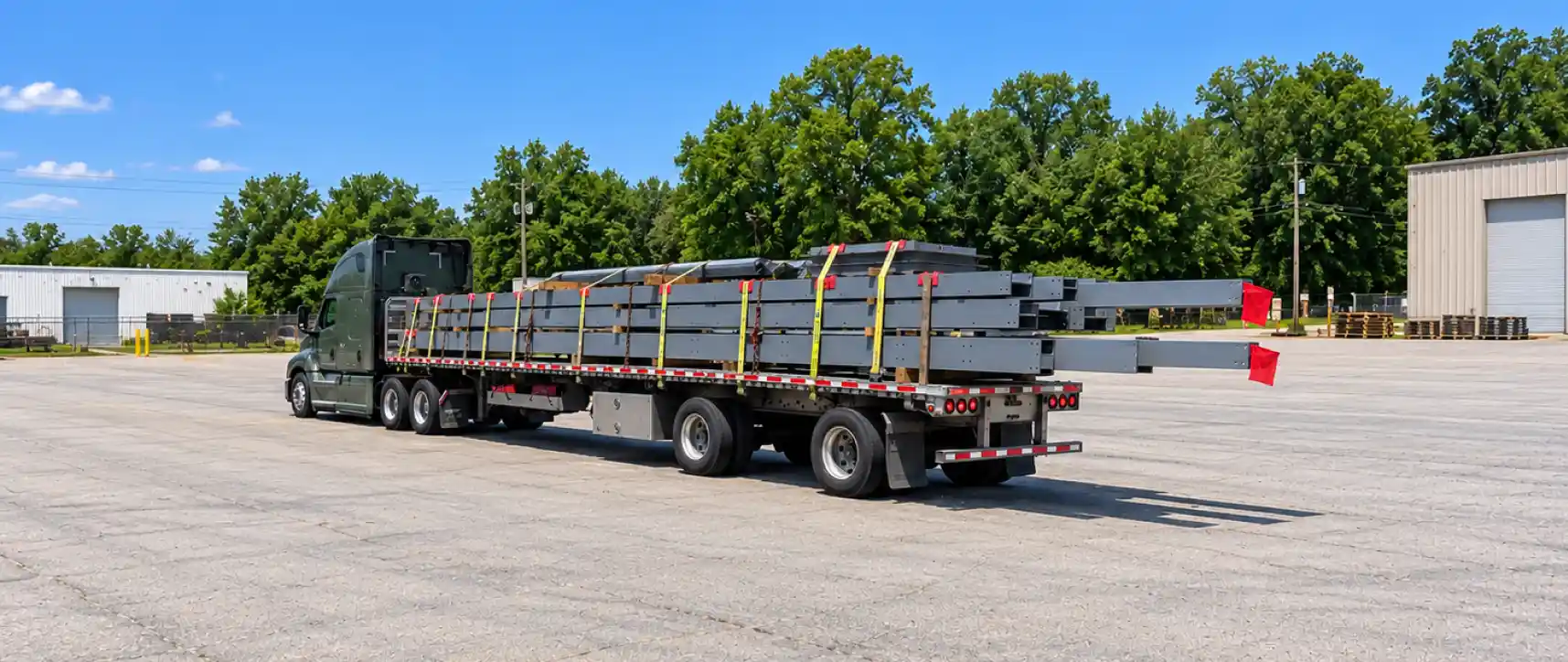
When does a long load require a permit? Learn how trailer length, cargo overhang, state rules, and escort requirements affect your next haul.
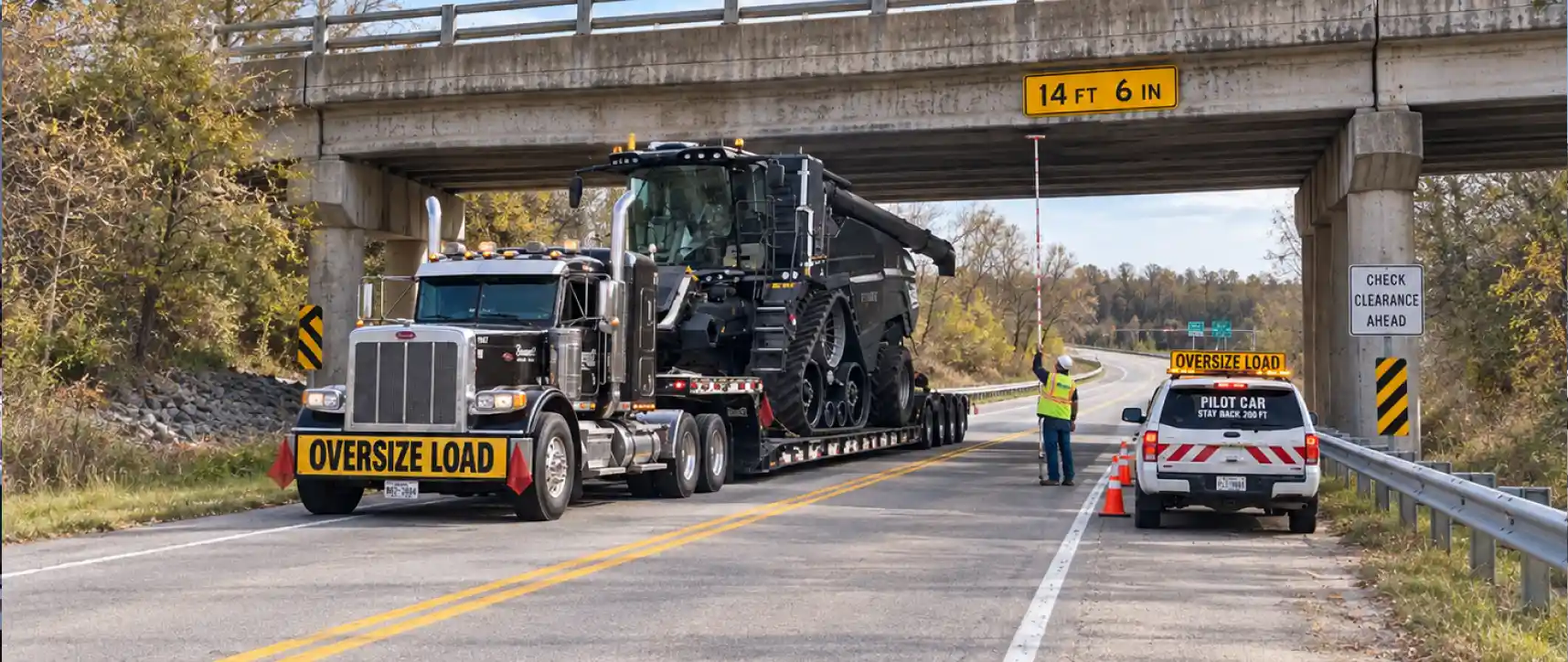
Learn when an overheight load requires a permit, including legal height limits, state-specific exceptions, bridge clearance risks, route surveys, pilot car requirements, and equipment choices.
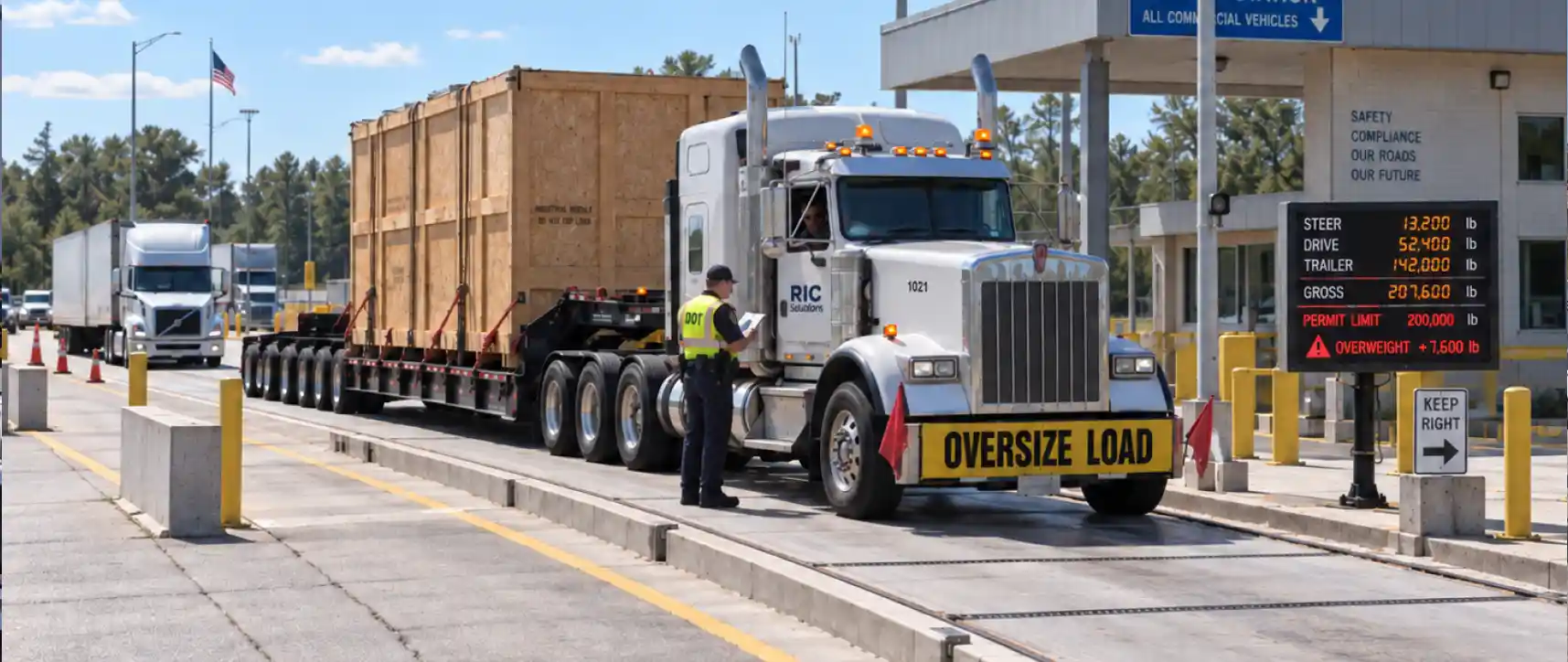
Learn what happens when a truck’s actual weight does not match its permit, including out-of-service orders, fines, cargo reconfiguration, axle violations, and long-term compliance risks.
When does a long load require a permit? Learn how trailer length, cargo overhang, state rules, and escort requirements affect your next haul.
Learn when an overheight load requires a permit, including legal height limits, state-specific exceptions, bridge clearance risks, route surveys, pilot car requirements, and equipment choices.
Learn what happens when a truck’s actual weight does not match its permit, including out-of-service orders, fines, cargo reconfiguration, axle violations, and long-term compliance risks.