Free Quote

Setup


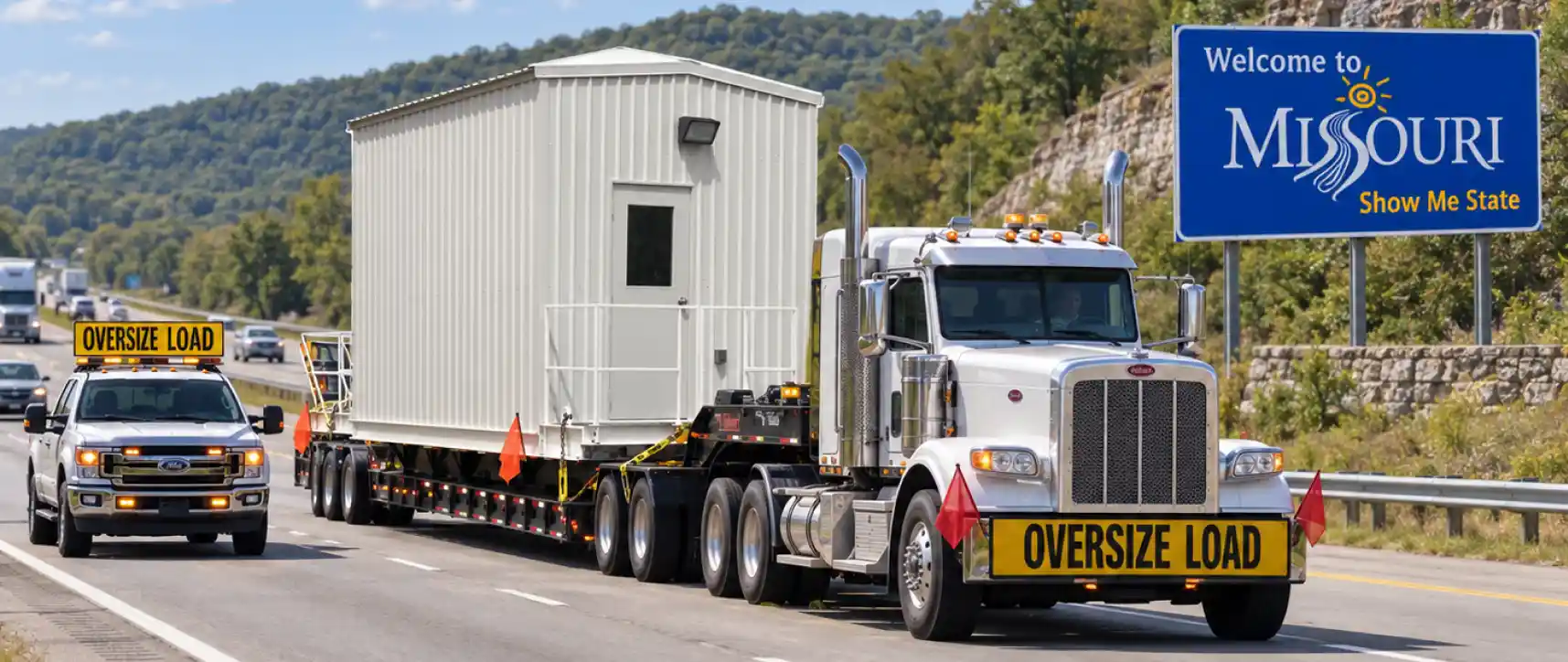
Dispatchers new to heavy haul operations often make one very expensive assumption. They look at map applications, see Interstate 10 stretching continuously from Florida toward California, and assume a single government document covers an entire cross-country trip. Unfortunately, highway reality operates completely differently. Crossing state lines throws commercial drivers into entirely new legal jurisdictions instantly. If your operator holds a valid oversize permit issued in Arkansas, that piece of paper becomes completely useless the exact second his steer tires touch Missouri asphalt. Federal interstates connect our country physically, but individual state governments retain absolute sovereignty over commercial vehicle regulations.
Why does this heavily fragmented system exist? Follow highway funding and study civil engineering. Pavement tolerances, bridge ages, and road maintenance budgets vary wildly across regional borders. Concrete overpasses designed handling 160,000 pounds out West might suffer catastrophic structural failure under similar tonnage traversing older Southern infrastructure. Because local taxpayers fund road repairs, local Departments of Transportation protect their infrastructure aggressively. Physics dictates policy. State engineers simply will not trust outside agencies determining what massive payloads can safely cross local bridges.
Navigating oversize load permits by state requires meticulous route analysis and deep regulatory knowledge. State legislatures write distinct laws governing maximum width, height, and mandatory axle spacing. One region might allow 14-foot wide transport during weekends, while neighboring jurisdictions strictly enforce total weekend travel blackouts. Understanding these distinct oversize permits by state prevents unexpected impoundments at border crossings. You simply cannot expect Mississippi scale masters honoring Alabama operational rules.
Equipment legality also changes precisely at state lines. Different DOTs utilize varying mathematical formulas calculating acceptable weight distribution. Texas might measure inner bridge distances one way, while Louisiana demands entirely different axle group measurements. Drivers frequently pull into rest areas right before crossing borders, manually sliding trailer tandems or adjusting hydraulic suspension pressures just satisfying upcoming state requirements. Furthermore, pilot car regulations shift constantly. Moving from a state requiring one rear escort into a state demanding dual escorts plus a police cruiser requires perfect logistical coordination at the border crossing.
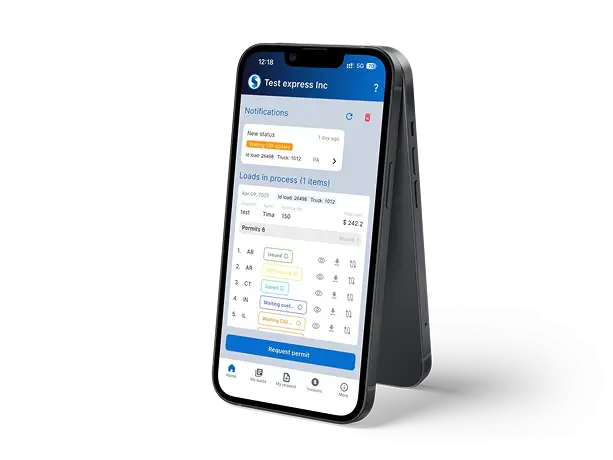
Do any administrative workarounds exist helping interstate carriers? Sometimes, regional transport compacts offer partial administrative relief. Alliances like WASHTO (Western Association of State Highway and Transportation Officials) or SASHTO down South attempt streamlining multi-state processing for standard dimensional freight. These organizations operate unified application portals, allowing fleet managers to submit route data across participating states simultaneously.
However, operators must never confuse regional portals with universal passes. Obtaining multi-state oversize trucking permits through regional compacts still generates separate, state-specific authorizations. Each individual DOT still runs internal bridge calculations and applies local curfew mandates independently before issuing approvals. Standard trucking permits might process faster using centralized systems, but local rules remain firmly intact. You still receive distinct documents for every jurisdiction crossed.
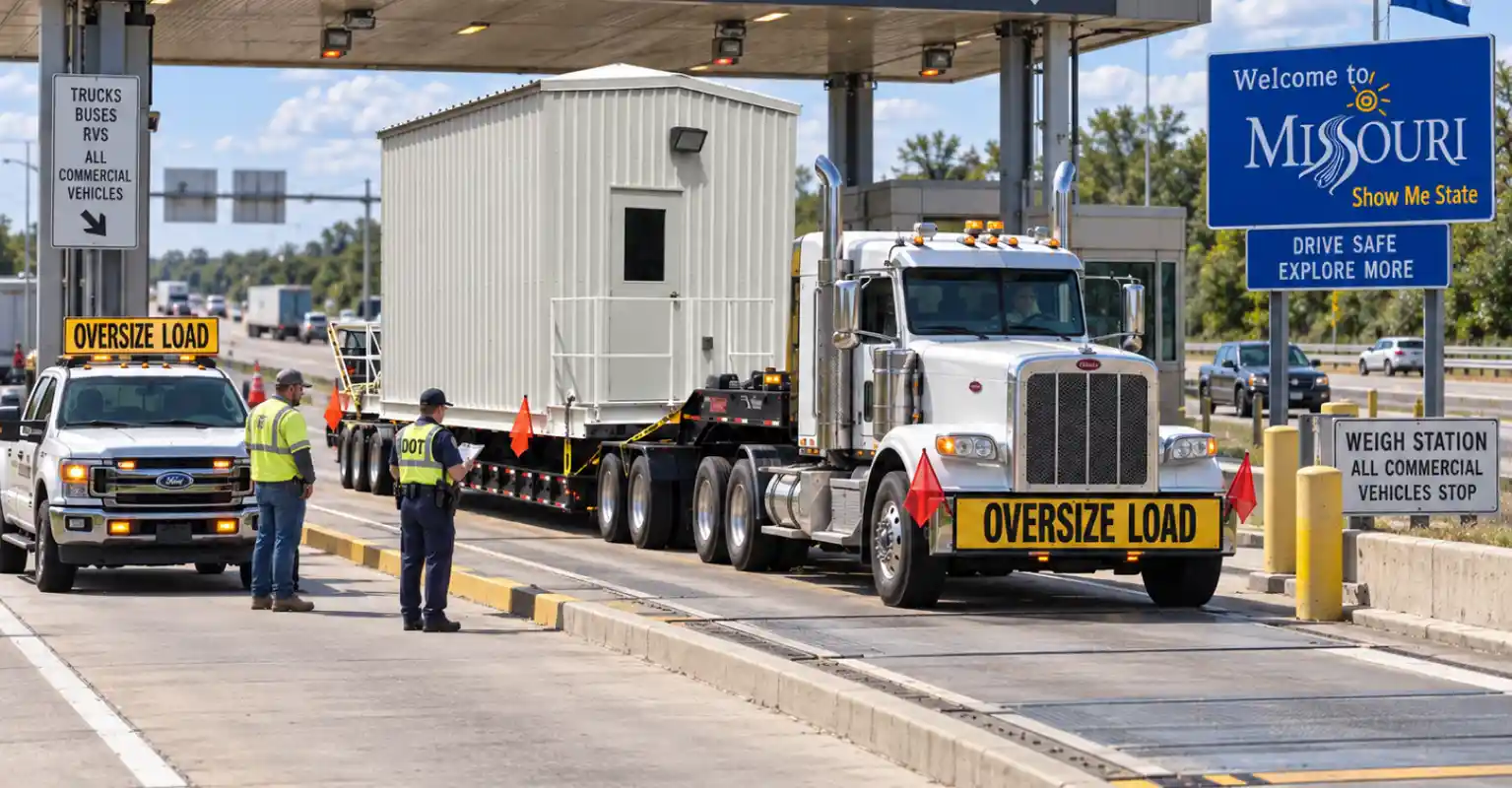
Crossing borders without proper documentation triggers immediate, severe enforcement actions. State troopers stationed near ports of entry check paperwork against live DOT databases before drivers even finish rolling across weigh station scale pads. Operating massive freight without active oversize load permits categorizes your shipment as strictly illegal. Scale masters issue massive citations immediately. Enforcement officers force non-compliant rigs into penalty parking lots until valid paperwork generates.
Worse scenarios occur when local structural engineers determine downstream bridges cannot support your specific axle weights. Without prior approval, authorities can mandate physical cargo offloading right there at the border. Finding heavy-duty cranes and secondary trailers out in rural weigh stations destroys project budgets instantly and ruins client relationships. Ignorance regarding jurisdiction rules provides zero legal defense during roadside inspections.
Managing multi-state logistics successfully demands synchronized timing alongside geographic knowledge. State authorizations feature strict validity windows, usually spanning three to five days. Ordering every necessary oversize permits document simultaneously often creates massive scheduling traps. Imagine severe weather or blown tires delaying progress during day one. By the time your driver finally reaches state number three, that specific state document has already expired.
Savvy logistics planners coordinate application submissions sequentially. They track processing speeds across different state offices, ensuring downstream paperwork remains active precisely when trucks arrive at borders. They factor mandatory curfew stops, holiday blackouts, and escort swap times into master schedules. Mastering cross-country heavy hauling requires treating every single state line as a hard reset on legal compliance. Proper preparation transforms chaotic interstate borders into seamless checkpoints, keeping massive payloads moving profitably safely toward final destinations.
The efficiency of your daily broker and ways to check their credibility
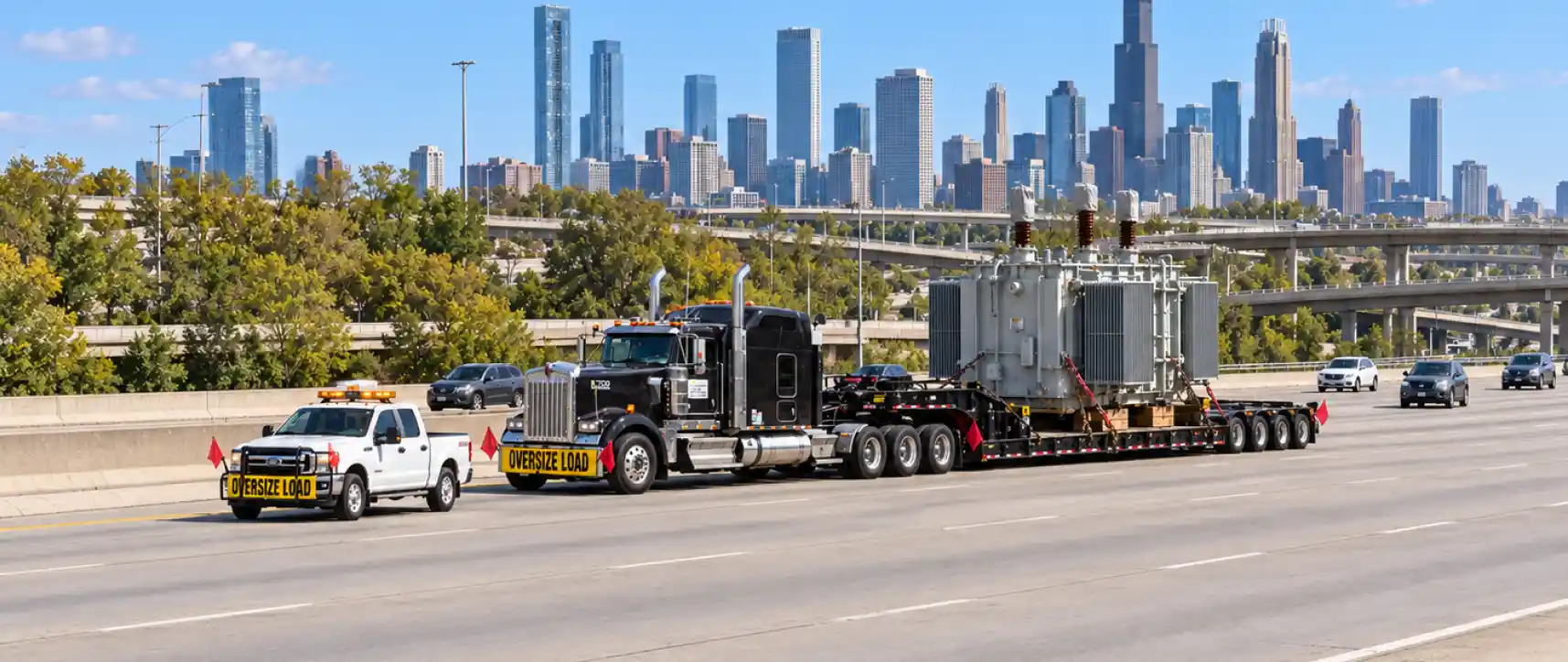
Oversize load travel windows vary by state, city, and route. Learn how rush-hour curfews and local restrictions affect interstate haul planning.
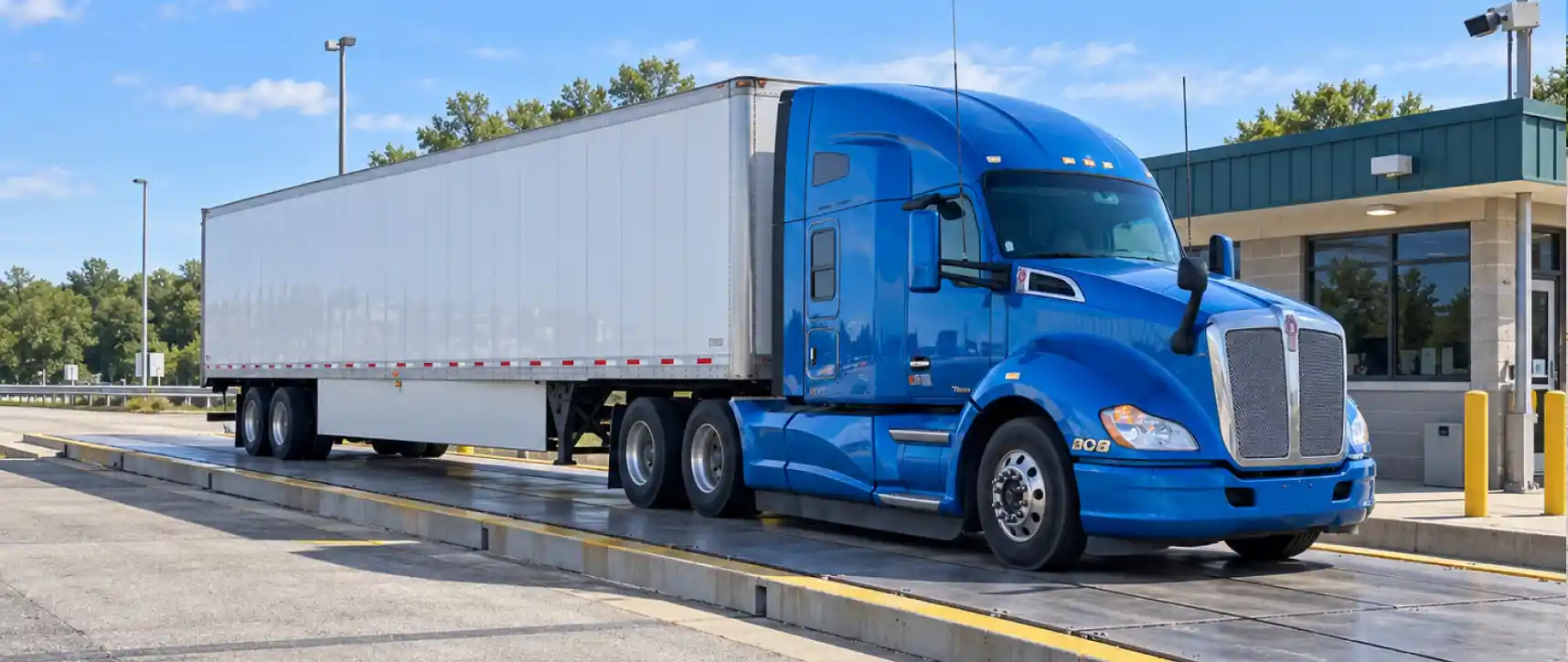
Understand US commercial truck weight limits, from gross vehicle weight to axle loads, state exceptions, and overweight permit requirements.
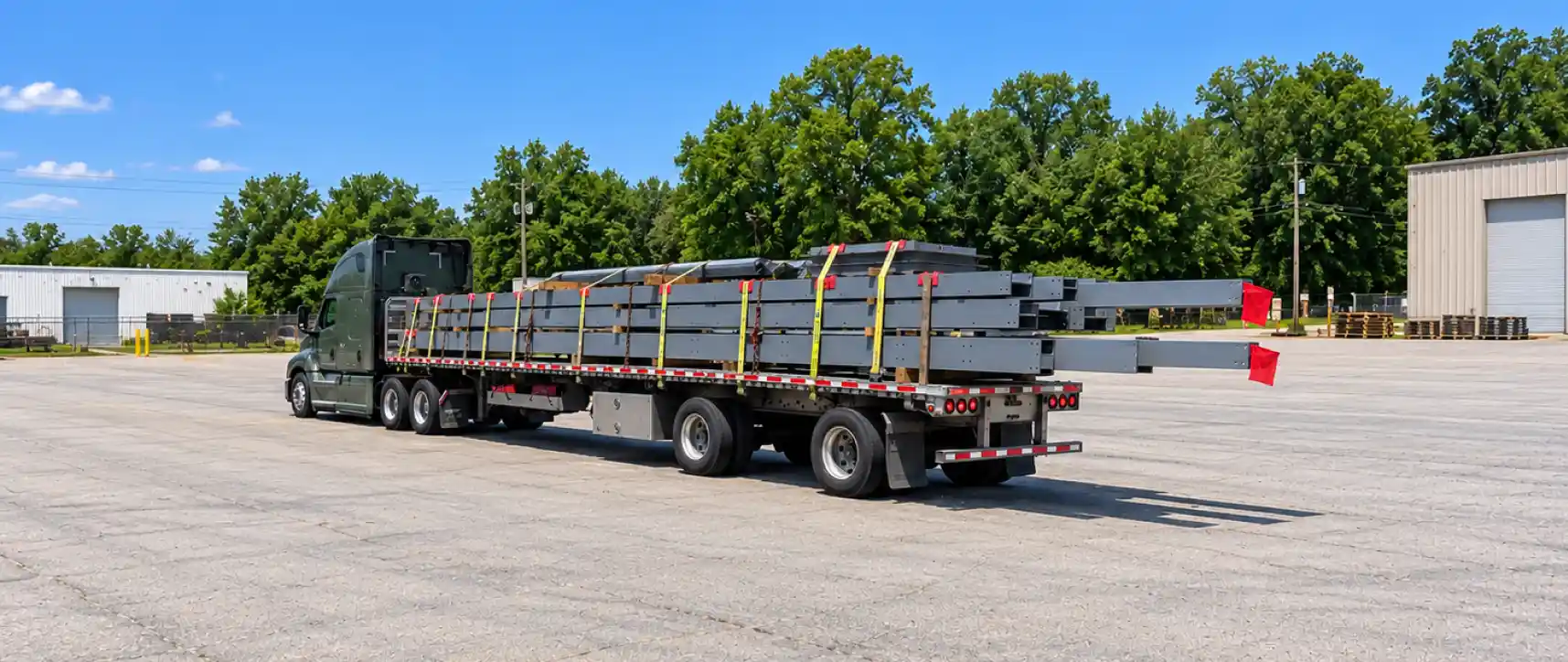
When does a long load require a permit? Learn how trailer length, cargo overhang, state rules, and escort requirements affect your next haul.
Oversize load travel windows vary by state, city, and route. Learn how rush-hour curfews and local restrictions affect interstate haul planning.
Understand US commercial truck weight limits, from gross vehicle weight to axle loads, state exceptions, and overweight permit requirements.
When does a long load require a permit? Learn how trailer length, cargo overhang, state rules, and escort requirements affect your next haul.