Free Quote

Setup


.webp)
Dispatch schedules look perfect on office whiteboards. Mother Nature rarely respects delivery deadlines. Moving colossal industrial equipment requires fighting atmospheric conditions constantly. While standard dry vans push through heavy rainstorms, massive multi-axle configurations face entirely different physical realities. Weather systems dictate highway operations absolutely. Executing safe oversize load transportation demands deep meteorological respect. Storms amplify existing physical risks exponentially.
Extreme weight multiplies braking distances; massive surface areas turn freight into giant sails. Dispatchers must constantly monitor radar feeds alongside route maps, predicting exactly when severe fronts intersect planned travel corridors. Ignoring impending weather guarantees disastrous roadside emergencies. Modern logistics managers treat weather apps with identical reverence as structural engineering charts.
Severe crosswinds pose terrifying threats during oversize transportation operations. Transporting wind turbine blades, prefabricated houses, or towering structural steel essentially creates massive mobile sails. Brutal broadside gusts transfer massive lateral stress directly through trailer suspensions. Once crosswinds breach 25 mph thresholds, tall freight configurations face immediate rollover dangers. Physics always wins against diesel horsepower.
State troopers monitor anemometers closely across vulnerable plains. Highway troopers regularly barricade exposed bridges alongside elevated overpasses during severe wind events. Operators hauling oversize freight must park immediately once gusts jeopardize rig stability. Wrestling steering columns against constant lateral pressure induces rapid driver fatigue, skyrocketing collision probabilities. Dispatchers must locate secure, wind-sheltered parking zones along coastal corridors well before departure.

Torrential rain fundamentally destroys asphalt friction coefficients. Halting 150,000-pound payloads demands massive stopping distances even across dry pavement. Adding standing water stretches braking metrics toward disastrous extremes. Safe heavy haul trucking requires precise braking calculations preventing catastrophic rear-end collisions. Sudden downpours force multi-axle trailers into hydroplaning, instantly severing crucial traction linking rubber tires with slick concrete.
Winter precipitation paralyzes heavy hauling entirely. Snow accumulation hides painted lane markers, destroying escort vehicle coordination instantly. Ice storms turn subtle highway grades into impossible obstacles. Standard trucks might chain up conquering snowy passes, but massive lowboy trailers easily slide laterally across crowned roads. State DOTs immediately revoke travel privileges for oversized units when snow begins accumulating.
Dense fog creates absolute operational chaos. Standard passenger vehicles easily disappear inside thick coastal marine layers. Moving extremely wide loads requires absolute visual clarity. Front pilot cars must spot approaching hazards miles ahead. Rear escort vehicles need clear sightlines protecting trailing motorists. When visibility drops below minimum thresholds, safe coordination shatters completely.
State regulations strictly forbid heavy transport during severe fog events. Drivers cannot see bridge abutments clearly; escort teams lose visual contact instantly. Dispatchers must monitor dew point spreads predicting morning fog banks accurately. Parking massive rigs safely before visibility vanishes requires intense geographical awareness. Finding proper staging areas blindly proves utterly impossible.
Summer heat waves introduce entirely different logistical nightmares. Pavement engineering relies upon specific temperature ranges. When thermometers breach 100 degrees Fahrenheit, highway asphalt softens significantly. Heavy haul transportation exerts immense ground pressure through concentrated axle groups. Rolling superloads across softened asphalt creates deep ruts, permanently destroying road surfaces. States actively ban heavy transport during extreme heat warnings protecting infrastructure investments.
Extreme temperatures also torture equipment relentlessly. Massive payload friction generates intense tire heat. Scorching pavement exacerbates this thermal load, triggering catastrophic blowouts. Hydraulic cooling systems struggle under peak summer conditions. Smart oversize trucking operations adjust schedules dynamically, running during cooler morning hours avoiding peak afternoon heat whenever state curfews allow movement.
Weather challenges physical driving while simultaneously destroying administrative planning. State transportation departments monitor severe weather alerts actively. When blizzards or hurricanes approach, officials instantly suspend active routing authorizations. Authorities prioritize clearing highways, ensuring emergency responders maintain rapid access clearing debris. Commercial oversized movement stops entirely until storm fronts pass completely.
Sudden weather suspensions create chaotic domino effects regarding paperwork. Delays in one state cause downstream authorizations to expire prematurely. Securing a reliable oversize load permit requires factoring buffer days anticipating atmospheric delays. If storms strand your rig inside Colorado, your Nebraska clearance likely expires before crossing the border.
Mastering oversize load transport means treating meteorology as a primary operational constraint. Dispatch teams must pivot instantly, updating route plans while renegotiating expired authorizations. Proactive weather tracking prevents stranded equipment, shields profit margins against massive delays, and ensures giant payloads reach destinations safely.
The efficiency of your daily broker and ways to check their credibility
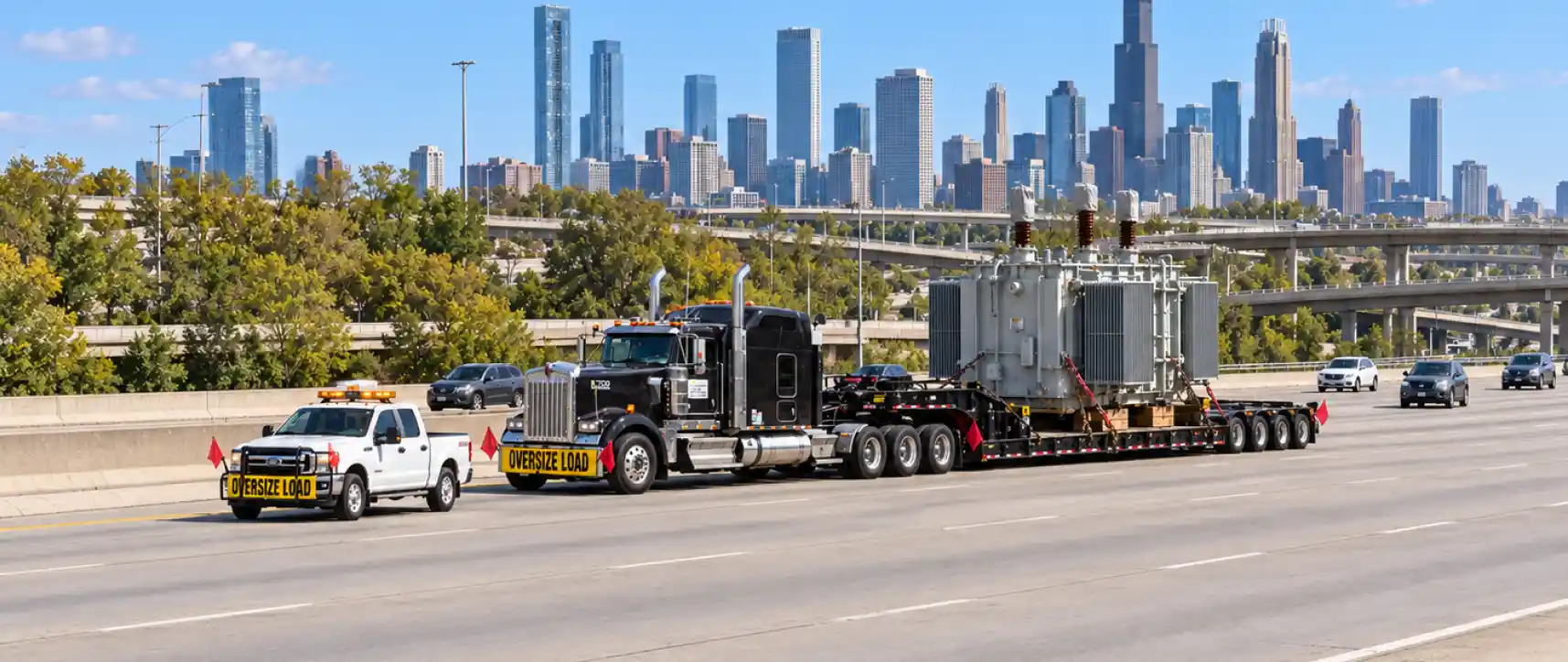
Oversize load travel windows vary by state, city, and route. Learn how rush-hour curfews and local restrictions affect interstate haul planning.
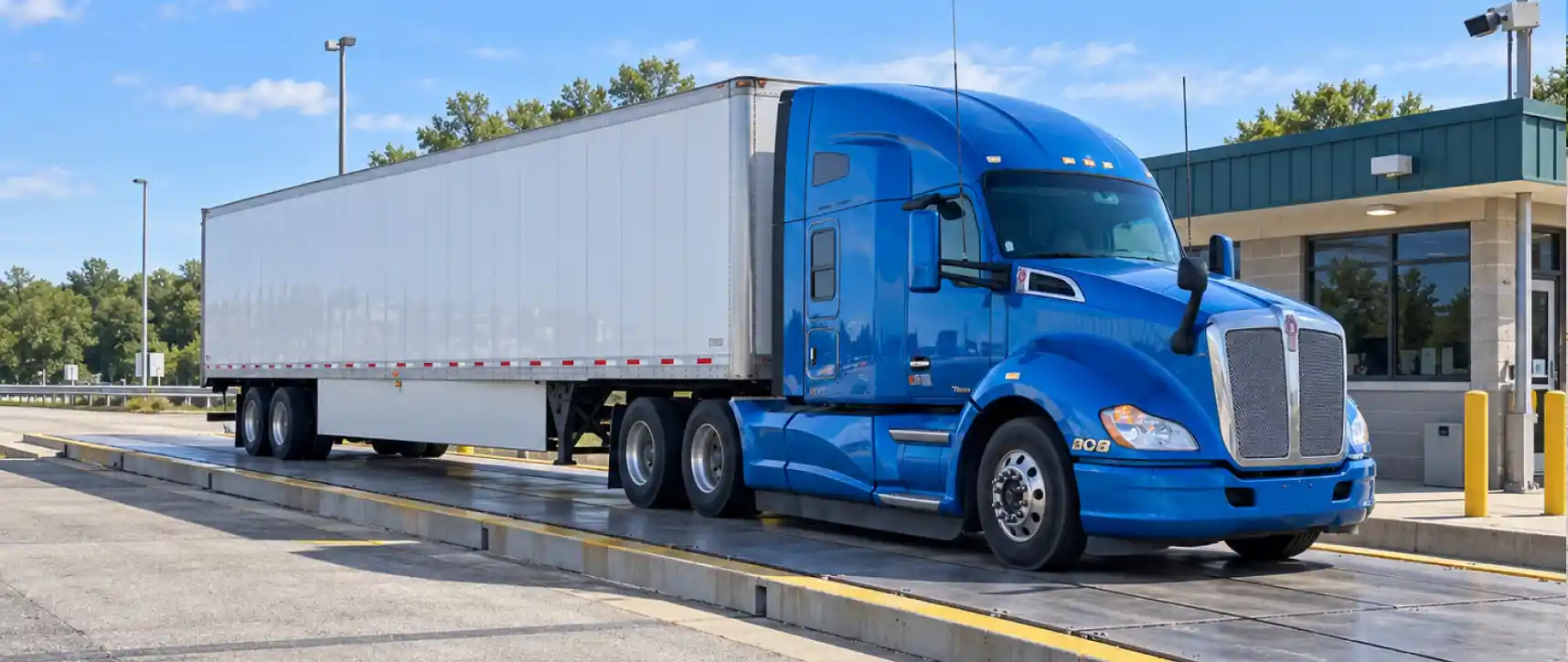
Understand US commercial truck weight limits, from gross vehicle weight to axle loads, state exceptions, and overweight permit requirements.
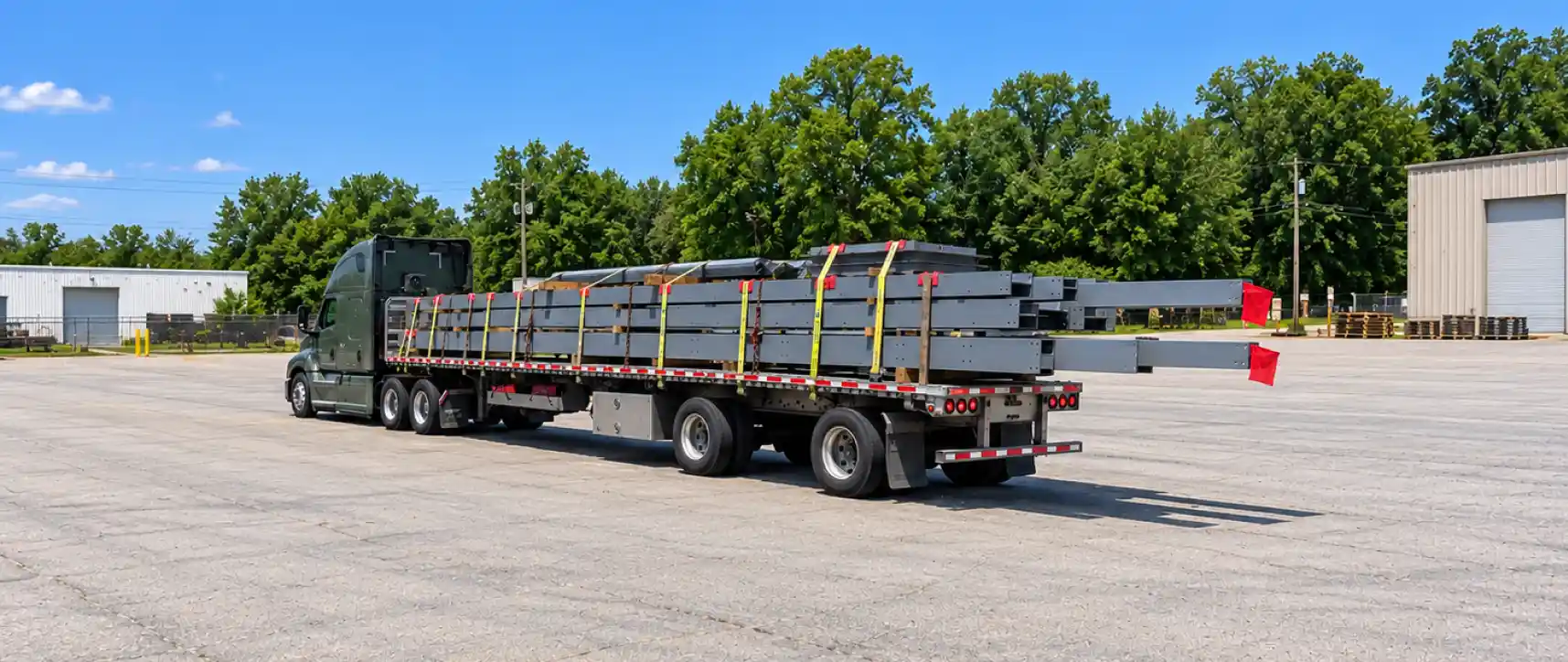
When does a long load require a permit? Learn how trailer length, cargo overhang, state rules, and escort requirements affect your next haul.
Oversize load travel windows vary by state, city, and route. Learn how rush-hour curfews and local restrictions affect interstate haul planning.
Understand US commercial truck weight limits, from gross vehicle weight to axle loads, state exceptions, and overweight permit requirements.
When does a long load require a permit? Learn how trailer length, cargo overhang, state rules, and escort requirements affect your next haul.