Free Quote

Setup


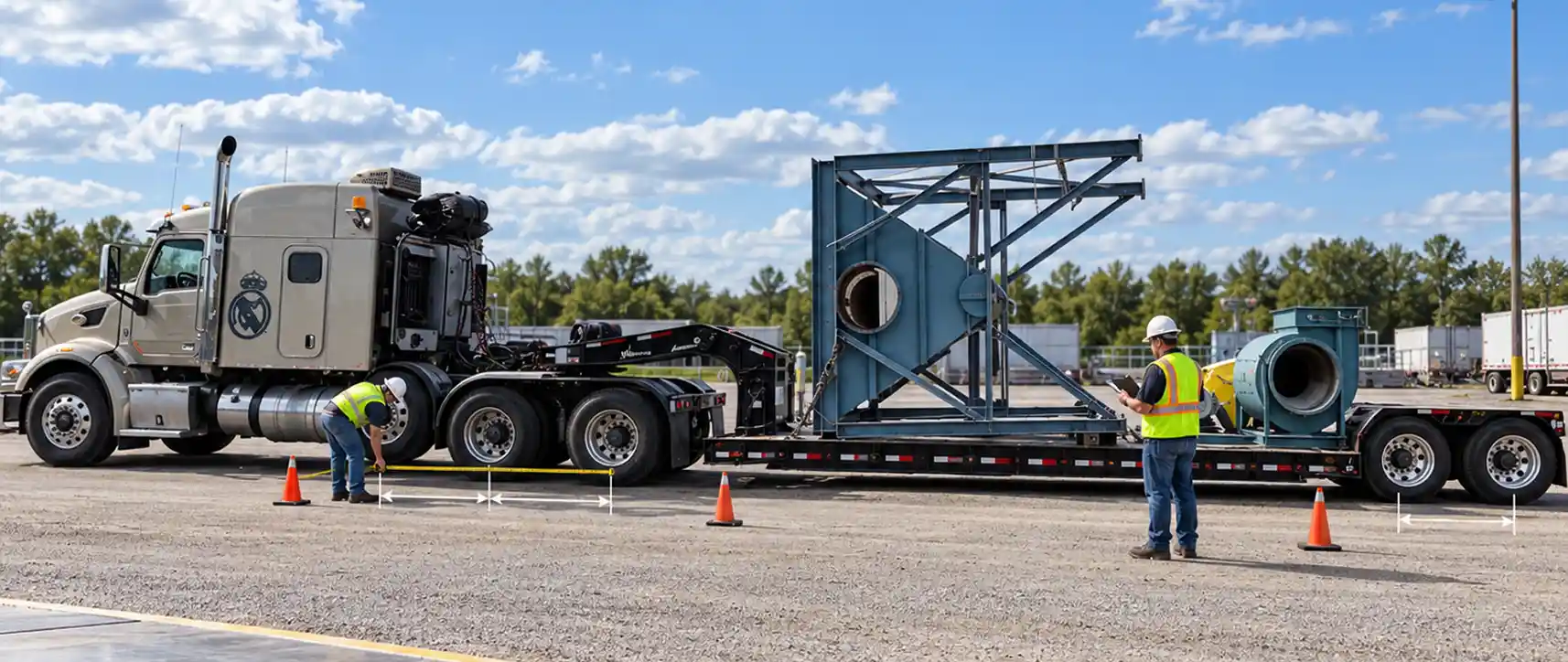
Applying for heavy haul authorization paperwork often feels like filing complex tax returns under intense deadline pressure. State transportation departments show zero mercy regarding missing application data. Submitting incomplete vehicle specs or guessing axle measurements guarantees instant rejection, sending paperwork straight toward rejection piles. When rental cranes stand idle and drivers wait at loading docks, administrative delays cost thousands per hour. State civil engineers refuse guessing about road safety. Officials evaluate pavement pressure, bridge stress, and structural tolerances using exact mathematical formulas. Knowing exactly what data agencies demand speeds up processing significantly. Whether securing single-trip overweight permits or managing multi-state transport schedules, assembling precise equipment profiles upfront protects profit margins.
Government staff require highly specific technical data regarding physical truck and trailer setups before analyzing weight limits. You must provide basic registration details upfront. This includes USDOT numbers, MC numbers, vehicle identification numbers (VIN), and exact license plate numbers for both tractor and trailer units. However, basic registration data represents merely baseline information. Engineering reviewers focus intensely upon physical equipment geometry. Accurate physical dimensions dictate structural clearance calculations.
You must supply precise overall vehicle length, total width, and height measurements. Furthermore, reviewers demand exact wheelbase specs, kingpin-to-rear-axle distances, and trailer bed lengths. Operating specialized heavy-haul equipment requires even deeper documentation. If setups include jeeps, stingers, or hydraulic booster axles, applications must detail every single articulated component. Providing precise tire specifications—including tire width per axle—remains absolutely essential. Civil engineers calculate ground pressure per inch of tire width, preventing pavement rutting during transit across hot asphalt.
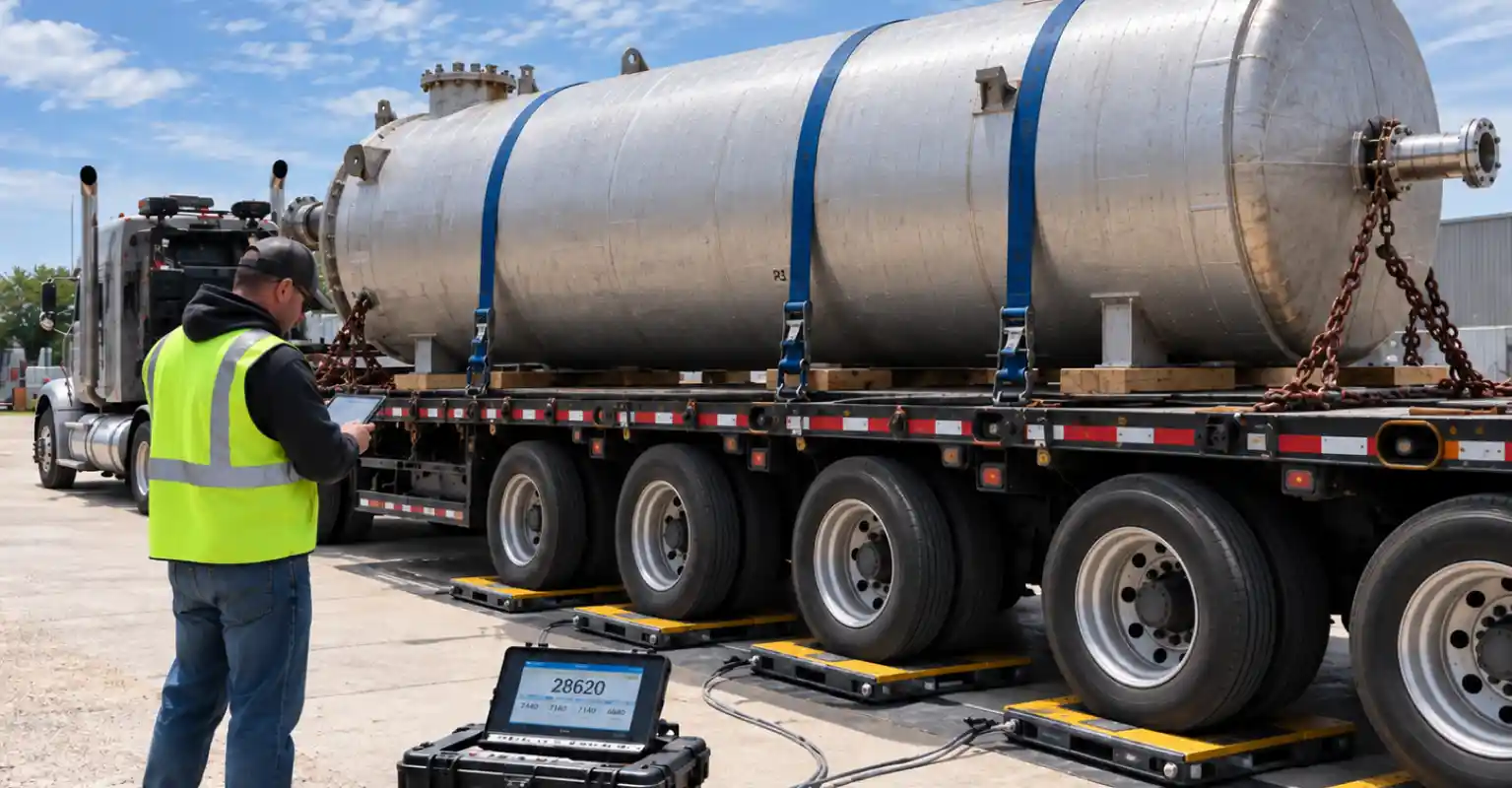
Axle configuration data forms absolute core foundations evaluating any overweight truck permit application. State engineers never evaluate gross weight alone. Computer algorithms analyze localized pressure exerted through individual tire sets. Applicants must supply exact numbers of axles on both tractor and trailer units. You need to detail whether setups utilize single, tandem, tridem, or quad-axle groups. Guessing these configurations leads directly toward denied applications.
Providing exact axle spacing measurements remains non-negotiable. Dispatchers must measure distances between center points of adjacent axles down to exact inches. Engineers scrutinize inner bridge distances (spacing between inner axles of adjacent groups) and outer bridge distances (distance from first drive axle center to last trailer axle center). Pairing precise axle spacing measurements with expected weight per axle group allows state algorithms verifying Federal Bridge Formula compliance instantly. One wrong measurement shifts projected weight distribution, triggering automatic system rejections.
Highway regulations enforce strict mandates regarding cargo characteristics. Federal law dictates that overweight load permits apply exclusively toward indivisible loads. This legal term means cargo cannot undergo dismantling without compromising structural integrity, ruining manufacturing warranties, or requiring excessive labor hours. For example, attempting to permit bulldozers with attached blades often fails; inspectors expect operators detaching blades, shipping them separately. You must provide detailed descriptions explaining payload nature precisely. Are you transporting industrial transformers, military gear, or heavy construction excavators?
Cargo weight calculations require complete honesty. You must supply exact payload weight alongside certified Gross Vehicle Weight (GVW). Overestimating payload weight leads toward unnecessary structural engineering reviews or mandatory escort requirements, driving up transit costs artificially. Underestimating weight guarantees severe law enforcement penalties. Scale masters catch weight discrepancies instantly. Getting caught running heavier than permitted triggers immediate revocation, massive citations, and forced offloading directly at roadside scale houses.
Authorities require exact origin and destination coordinates alongside proposed turn-by-turn travel corridors. Standard digital navigation applications fail completely regarding heavy transport routes. Route reviewers analyze every overpass, bridge span, construction zone, and turning radius along proposed paths. You must specify exact state entry and exit points, highway numbers, and municipal street usage. When routing crosses secondary county roads, bridge engineers sometimes manually check decades-old blueprints ensuring structural viability.
Understanding localized overweight permit rules across different jurisdictions prevents unexpected routing halts. Agencies verify travel dates, daily operating hours, and holiday blackout windows before issuing authorizations. Securing a valid overweight permit demands matching travel corridors against active state construction advisories. Bypassing state-level routing guidelines invalidates paperwork instantly. Ignoring designated routes invites disastrous consequences, especially if overweight rigs collapse weight-restricted local bridges.
Carrier credential validation represents final hurdles during application processing. DOT offices verify active operating authority alongside comprehensive liability insurance coverage. State laws mandate minimum liability coverage limits protecting public infrastructure against potential highway damage. Heavy haul operations often require policies exceeding one million dollars. You must attach active certificates of insurance listing state transportation departments as certificate holders when required. Lapsed insurance policies halt application progress immediately.
Systematic data collection transforms complex application workflows into routine operational tasks. Logistics managers compiling comprehensive equipment binders and partnering with experienced permit specialists experience rapid turnaround times consistently. Complete, accurate information eliminates bureaucratic delays. Organizing exact measurements, weights, and route preferences beforehand secures legal clearance quickly, ensuring massive payloads roll safely toward final destinations without destroying delivery schedules.
The efficiency of your daily broker and ways to check their credibility
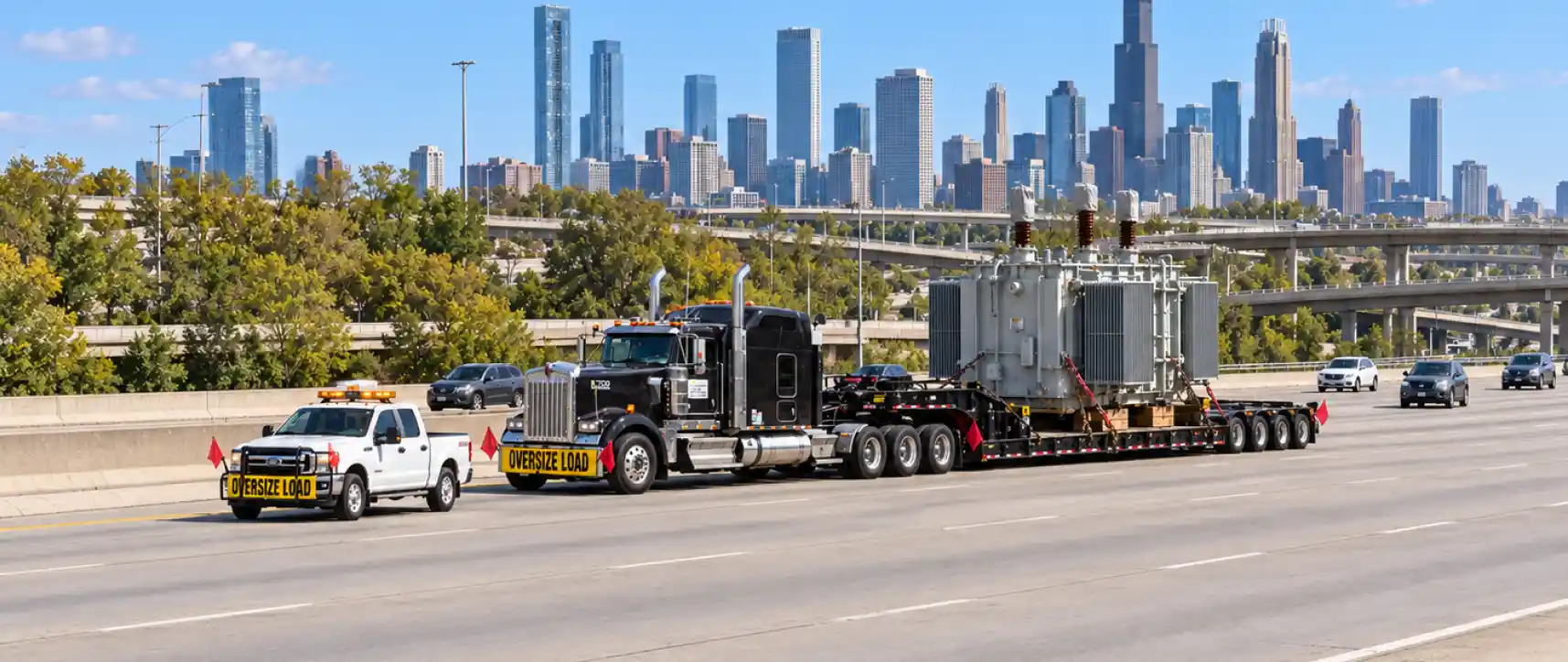
Oversize load travel windows vary by state, city, and route. Learn how rush-hour curfews and local restrictions affect interstate haul planning.
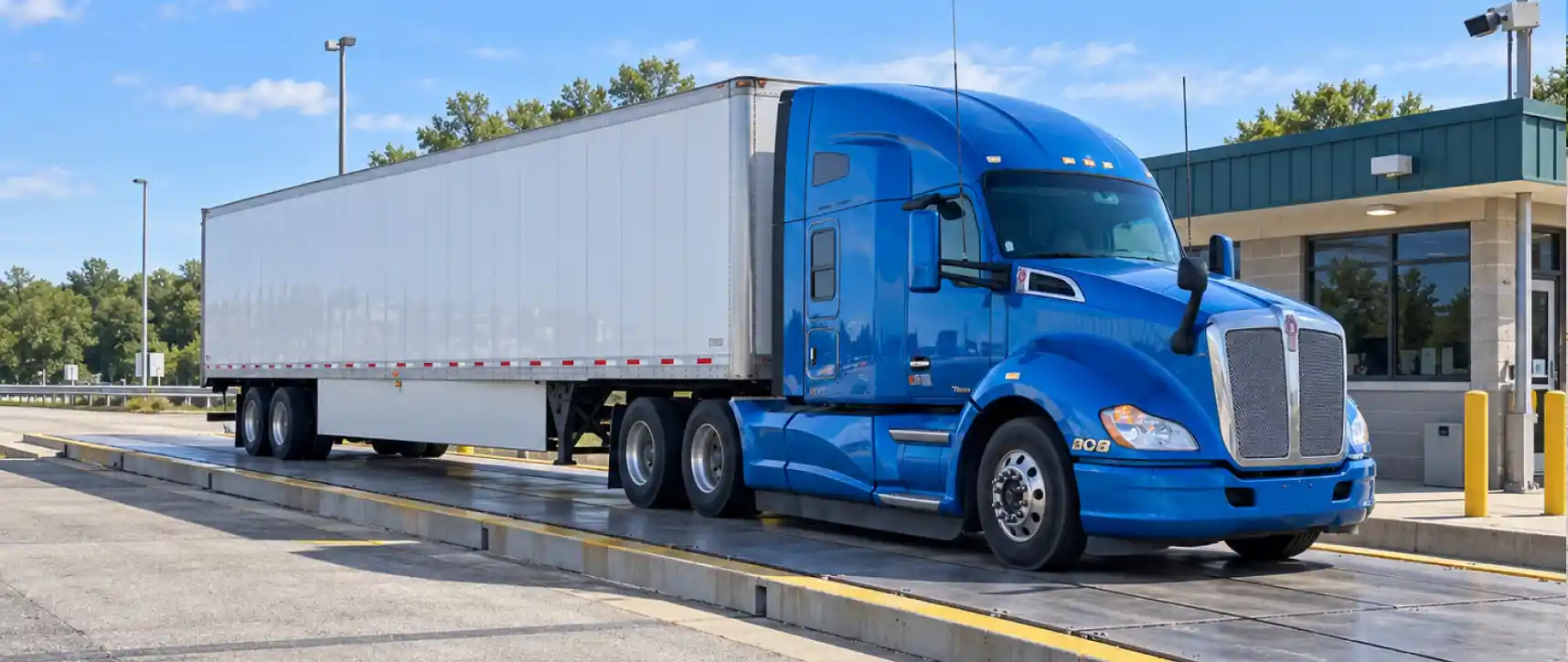
Understand US commercial truck weight limits, from gross vehicle weight to axle loads, state exceptions, and overweight permit requirements.
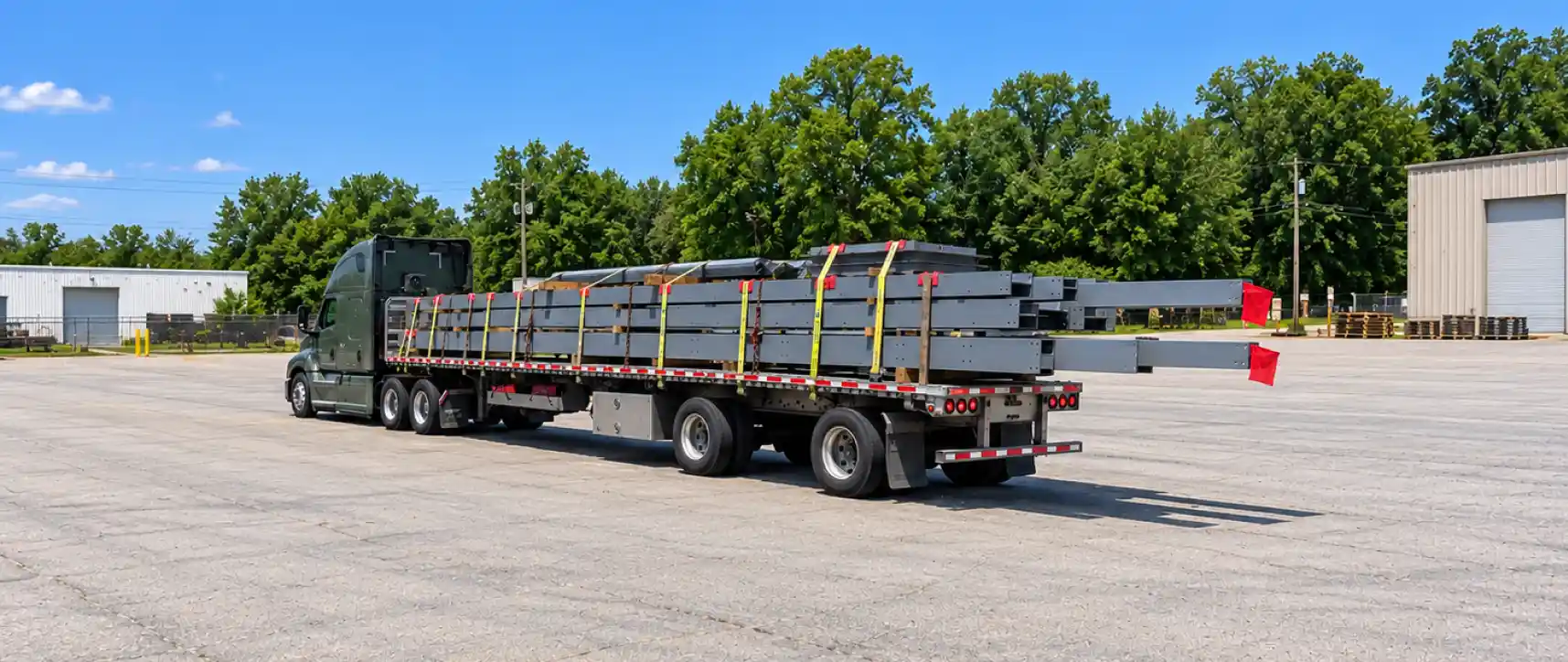
When does a long load require a permit? Learn how trailer length, cargo overhang, state rules, and escort requirements affect your next haul.
Oversize load travel windows vary by state, city, and route. Learn how rush-hour curfews and local restrictions affect interstate haul planning.
Understand US commercial truck weight limits, from gross vehicle weight to axle loads, state exceptions, and overweight permit requirements.
When does a long load require a permit? Learn how trailer length, cargo overhang, state rules, and escort requirements affect your next haul.