Free Quote

Setup


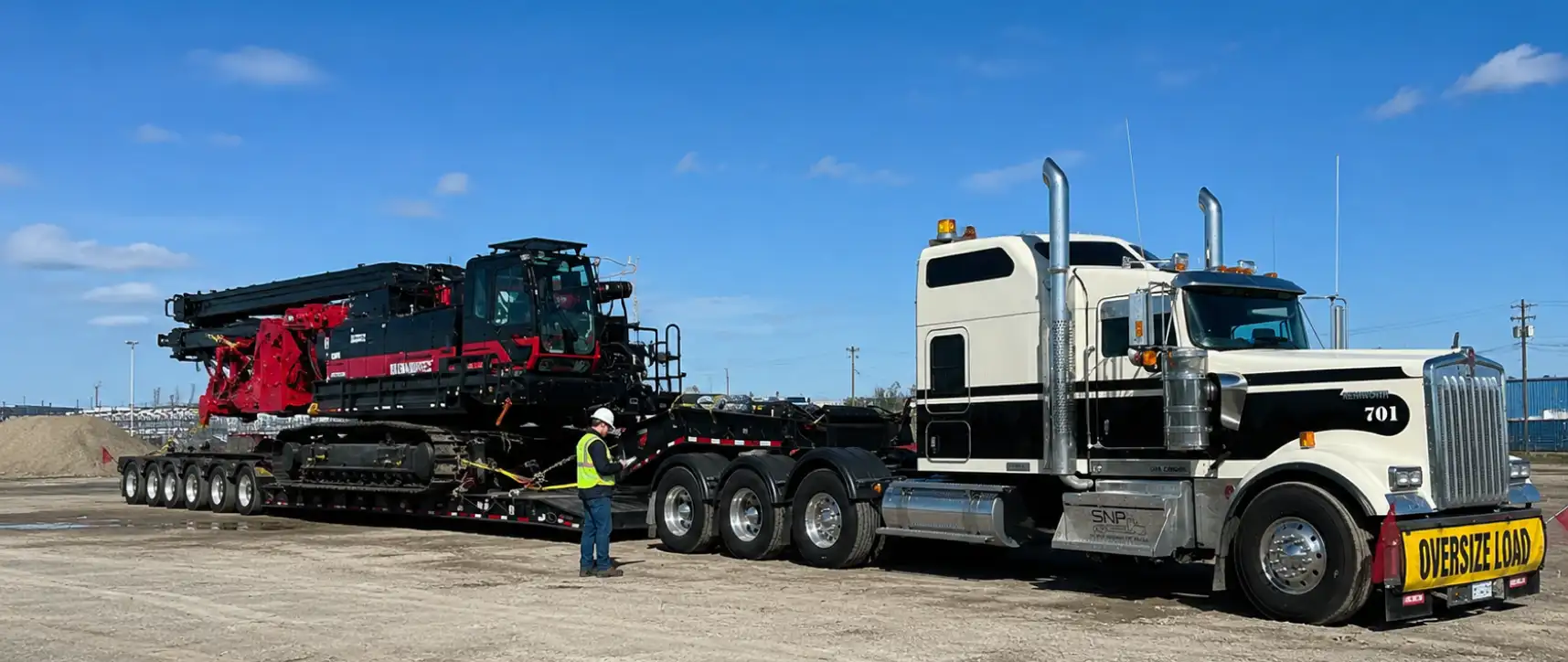
Routing departments reject thousands of applications daily. Dispatchers submit configurations. State software scans data. Discrepancies trigger manual reviews. Manual reviews freeze freight. Securing an oversize truck permit depends entirely on data accuracy. Computers read numbers. Bad numbers mean dead freight.
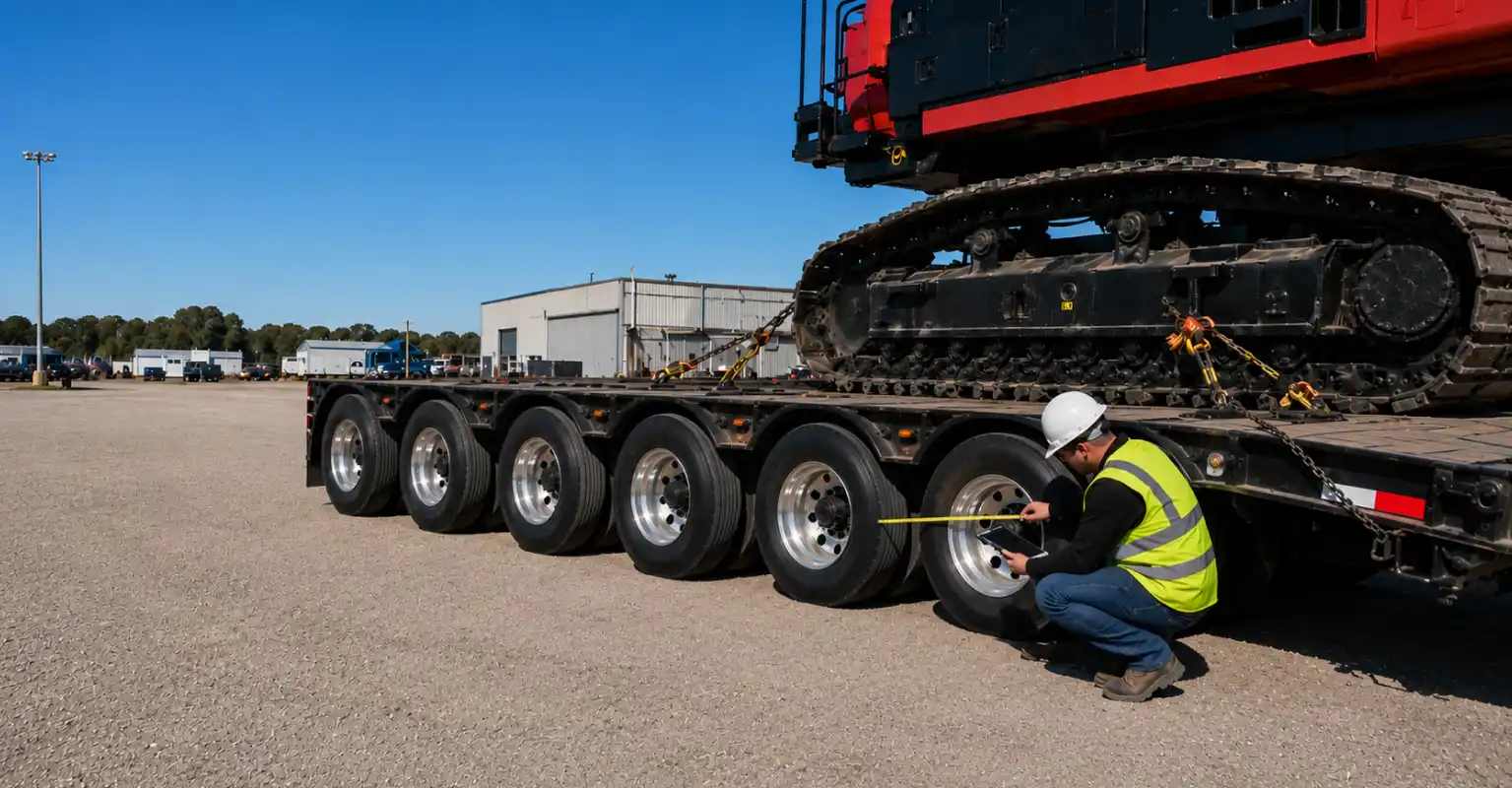
Gross weight means nothing without proper distribution. Any dot oversize load application fails instantly when inner bridge dimensions violate infrastructure limits. Software calculates exact pressure per square inch across tandem, tridem, and quad axle groups. Federal Bridge Formula B dictates maximum weight any set of axles can carry based on exact distance between them. Tape measures at weigh stations confirm math. If documents state 65 feet from steering axles to rear trailer axles, and scale masters measure 64 feet 10 inches, paperwork becomes void. Axle weight spacing determines bridge deck stress. Applications showing 20,000 pounds on single drive axles bounce in most jurisdictions. Spread axles distribute weight differently than closed tandems. Data entry must match physical metal rolling down highways.
Tire size and suspension types alter state approvals. State engineers calculate weight per inch of tire width. Running 11R22.5 tires yields different maximum allowable weights than running wide-base super singles. Air ride suspensions receive different weight allowances than mechanical spring suspensions due to road impact dynamics. Failing to specify correct tire ply ratings or suspension types throws files into manual review piles. Step decks, lowboys, removable goosenecks (RGNs), and multi-axle modular combinations present different geometric profiles. Kingpin distance settings heavily influence turning radius algorithms. State computers calculate off-tracking. Off-tracking measures how far trailer wheels pull inside tractor paths during sharp turns. Severe off-tracking requires lane closures or police escorts.
Highway geometry shifts daily. Routes cleared Monday hit construction embargoes Wednesday. State systems bounce applications intersecting active work zones, temporary lane closures, or height restrictions. Using outdated routing software causes clearance violations. Dedicated oversize permit agency operators track live DOT embargoes. They reroute combination vehicles around restricted corridors before submitting files. Preemptive adjustment skips manual review queues. Infrastructure data includes bridge height, lane width, and turning radiuses at intersections. Roundabouts require specific trailer lengths. If trailers exceed roundabout capacity, states reject routes. Precision matters.
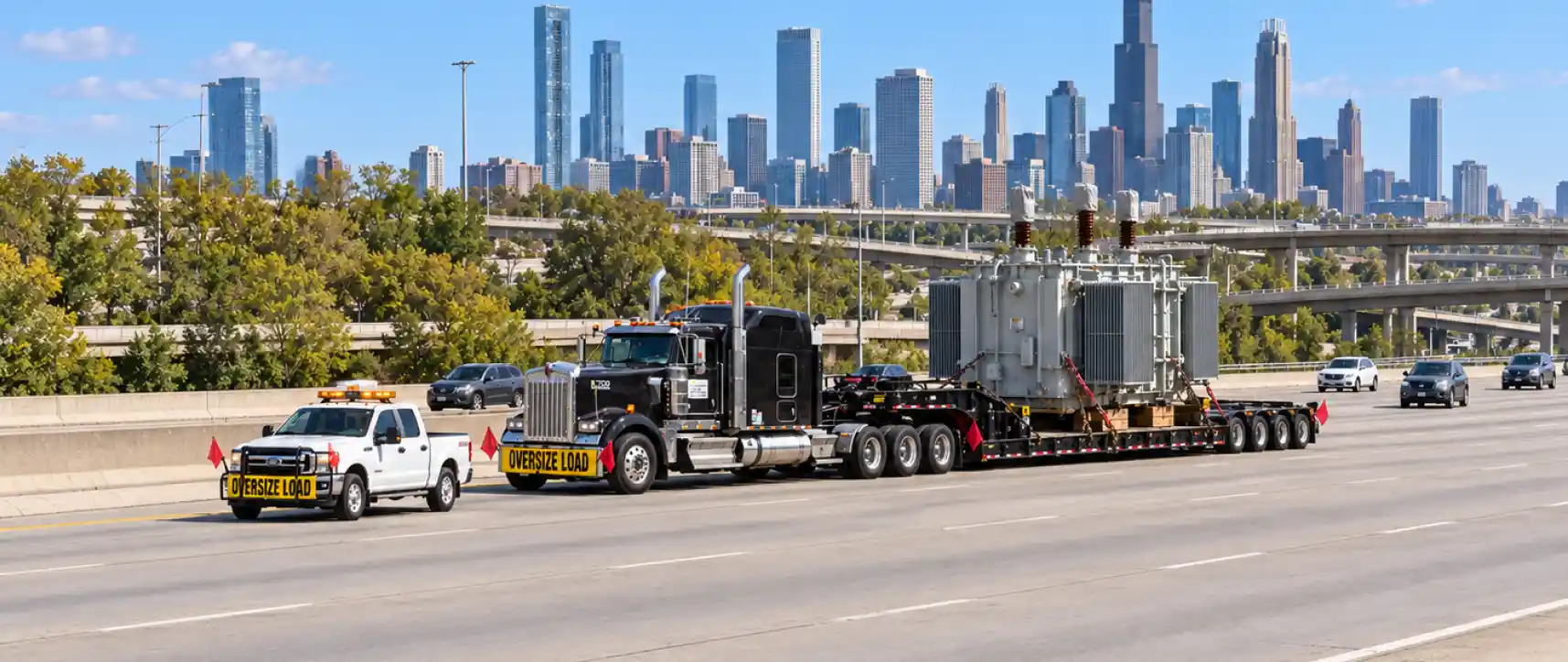
Pushing cargo past standard dimensions triggers superload protocols. Loads exceeding 150,000 pounds or 15 feet wide require third-party engineering analysis. States halt automated processing. Civil engineers manually calculate structural limits for every culvert and overpass along requested paths. Submitting superload files without physical route surveys adds weeks to timelines. Route surveys prove rigs clear low-hanging traffic signals and tight guardrails. Bucket trucks lift power lines. Escort requirements change based on dimensions. Crossing center lines requires police escorts. Staying within lanes requires civilian pilot cars. Front escorts carry physical height poles. Rear escorts manage trailing traffic. Every inch alters approval speed. Equipment specifications determine highway access.
Moving freight across state lines demands synchronized border geometry. State routing systems operate independently. Ohio DOT ignores Indiana DOT systems. Securing multi-state oversize permits requires matching exit and entry markers perfectly. If Ohio routes trucks to Exit 45, but Indiana applications start at Exit 46, both states reject files. Travel curfews add another layer of friction. Pennsylvania halts wide loads after sunset. Ohio permits night travel for specific configurations. Holiday blackouts freeze movement completely. Memorial Day, July 4th, and Labor Day trigger statewide travel bans for oversized dimensions. Precision cross-border data prevents out-of-service violations. Route continuity ensures legal transit.
Dispatchers break timelines by swapping tractors. Approvals lock to specific Vehicle Identification Numbers (VINs). If trucks blow turbos and dispatch assigns new tractors, existing paperwork becomes trash. Scale houses verify VINs against state databases. Mismatched digits trigger immediate grounding. Getting fast oversize truck permits requires strict fleet discipline. Routing departments need exact trucks, exact trailers, and exact payload serial numbers. State clerks prioritize clean files. Missing liability insurance attachments or selecting wrong surety bond boxes guarantees two-day delays. Partnering with a professional oversize load permit company standardizes data entry. Experts utilize pre-cleared DOT profiles to accelerate system checks. Administrative perfection accelerates state approvals.
Calculating true oversize permit cost means looking past state application fees. Fees are tiny fractions of actual expenses. Grounded trucks burn diesel. Drivers exhaust Federal Motor Carrier Safety Administration (FMCSA) Hours of Service (HOS). Crane crews at receiving job sites charge standby rates while waiting for delayed components. These back-charges destroy heavy haul margins. Wind speed limits also factor into transit times. High-profile cargo faces mandatory parking when sustained winds exceed 25 miles per hour. State authorities monitor ground clearance during winter months. Snowpack alters overpass clearance margins. Routing departments factor surface area into approval odds during specific weather seasons. Submitting flawless dimension data remains one variable carriers fully control. Automated systems instantly clear configurations matching known infrastructure limits. Any manual override traps files on state engineer desks. Pre-planning logistics, verifying physical measurements, and tracking live embargoes keeps wheels turning. Rigid compliance prevents delays. Accuracy dictates speed.
The efficiency of your daily broker and ways to check their credibility
Oversize load travel windows vary by state, city, and route. Learn how rush-hour curfews and local restrictions affect interstate haul planning.
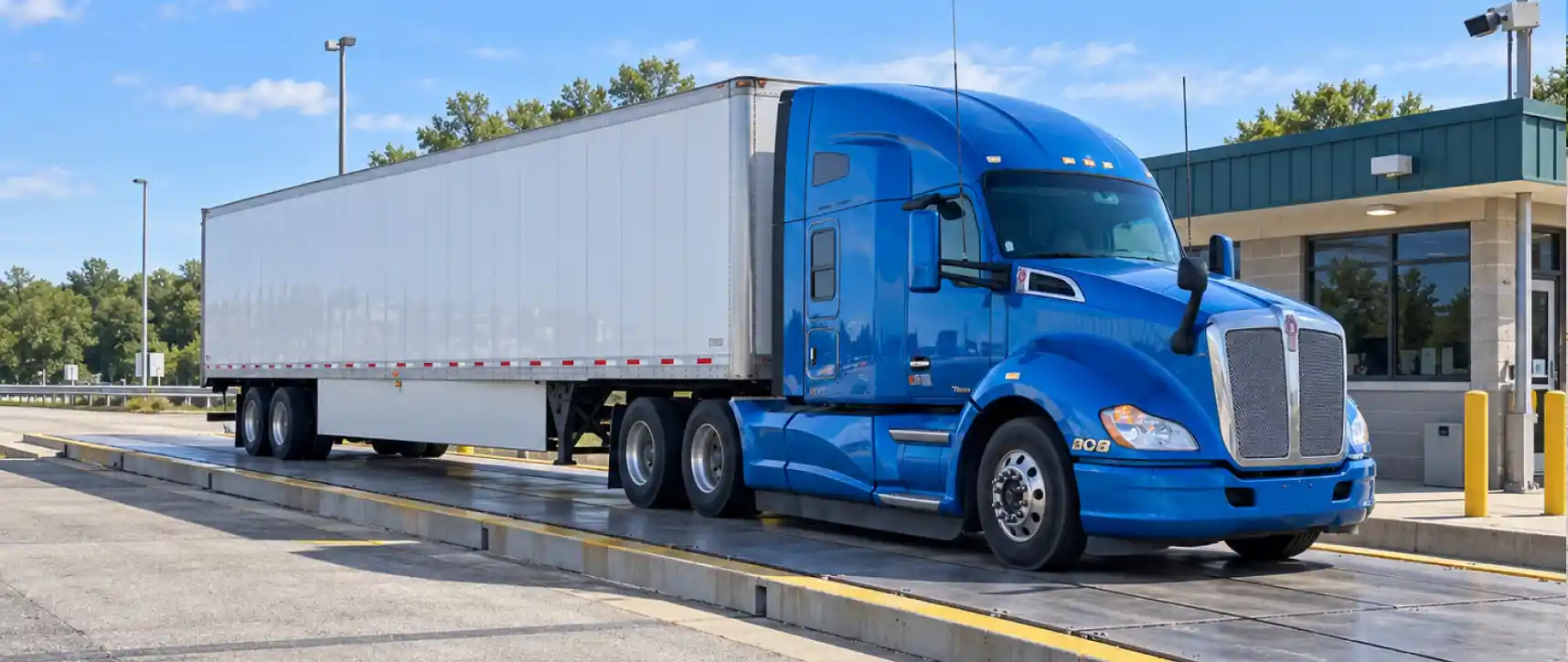
Understand US commercial truck weight limits, from gross vehicle weight to axle loads, state exceptions, and overweight permit requirements.
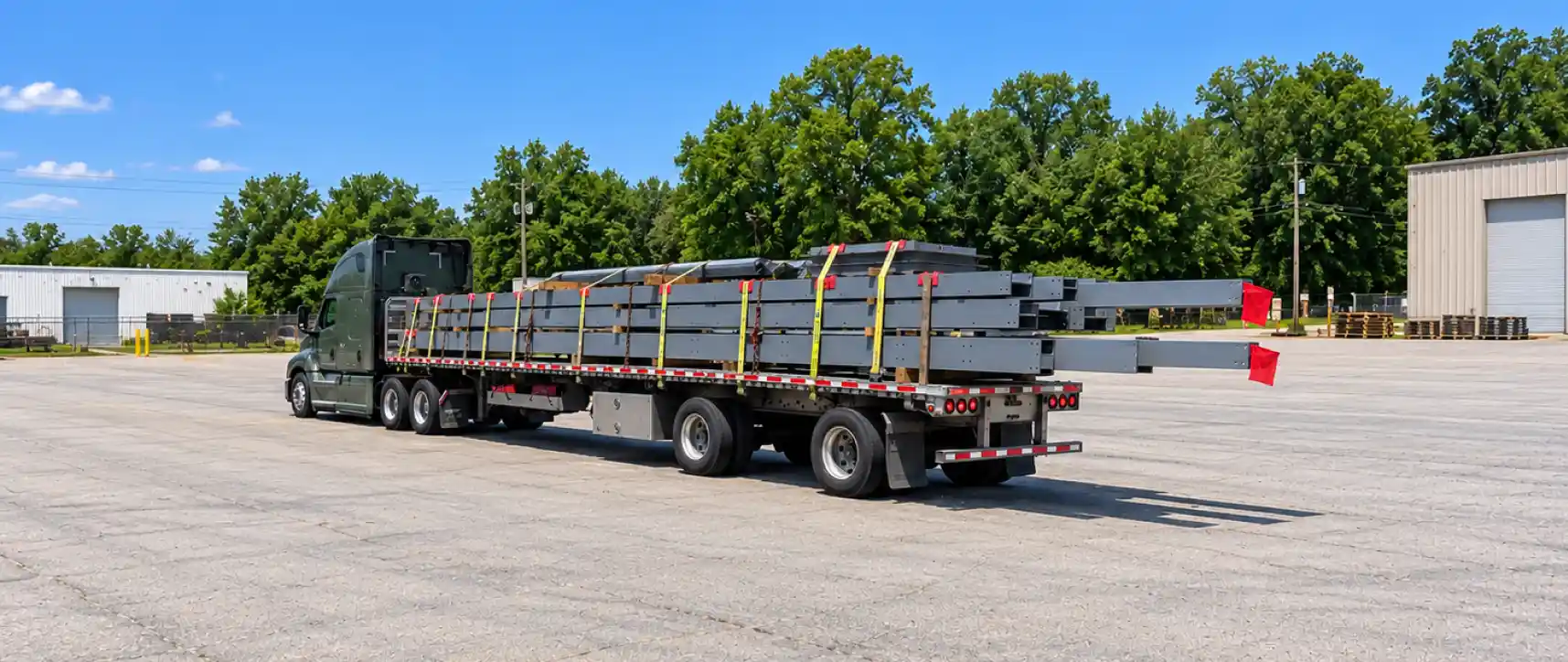
When does a long load require a permit? Learn how trailer length, cargo overhang, state rules, and escort requirements affect your next haul.
Oversize load travel windows vary by state, city, and route. Learn how rush-hour curfews and local restrictions affect interstate haul planning.
Understand US commercial truck weight limits, from gross vehicle weight to axle loads, state exceptions, and overweight permit requirements.
When does a long load require a permit? Learn how trailer length, cargo overhang, state rules, and escort requirements affect your next haul.