Free Quote

Setup


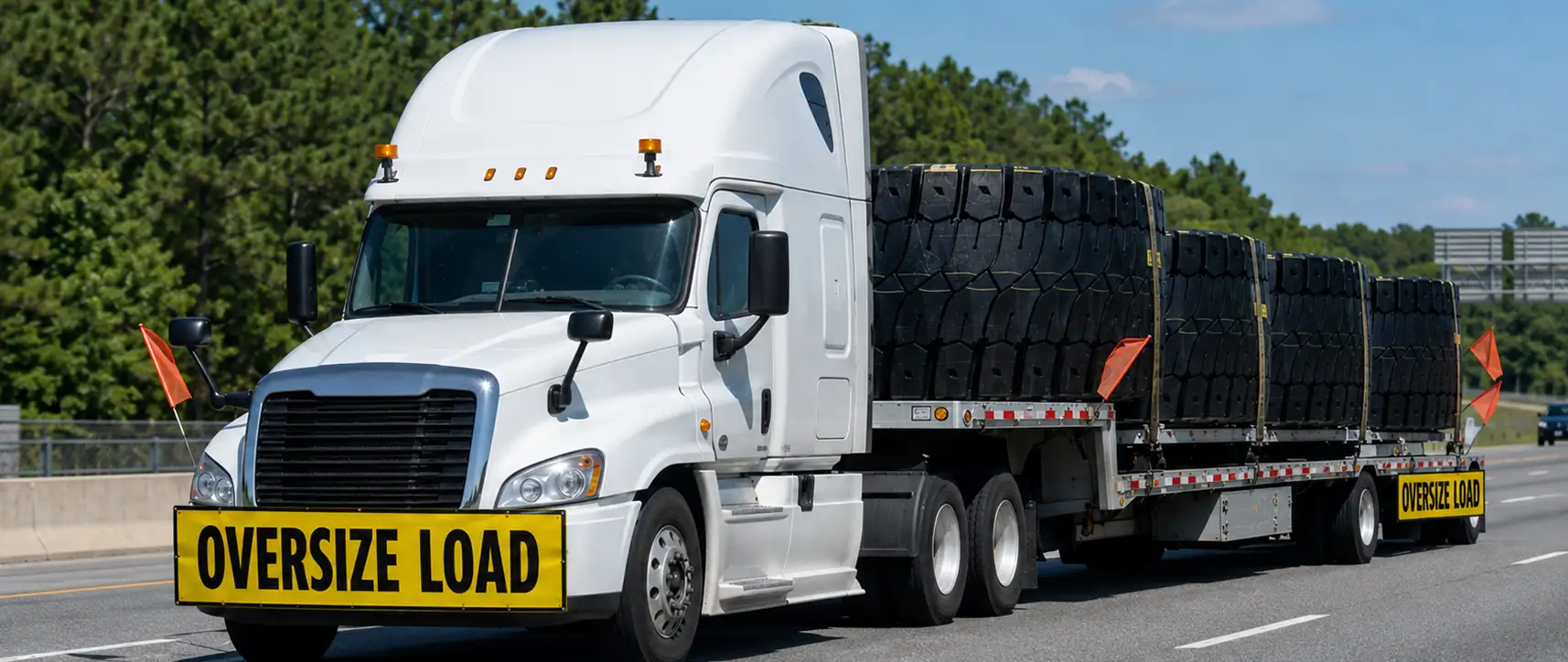
Scale houses target visual violations first. Missing banners trigger mandatory Level 1 commercial vehicle inspections. DOT inspectors monitor highway traffic looking for specific warning geometry. Operating heavy equipment requires precise visual indicators. Any oversize load sign dictates immediate legal highway status. Missing lettering means automatic out-of-service (OOS) violations. Federal guidelines dictate exact brush stroke width, color contrast, and mounting angles. Banners must display solid black lettering on highway-yellow backgrounds. Faded paint guarantees citations. Inspectors carry physical color gradient charts. Faded yellow registers as non-compliant white. Scale masters ground trucks immediately upon visual failure.
Mirror extensions represent another critical visual check. States mandate mirror expanders when payload width obscures standard rear visibility. If payload blocks rear sightlines, DOT officers issue immediate grounding orders. Drivers must extend side mirrors outward past payload dimensions. Compliance prevents blind spot collisions during lane shifts. Extended mirrors provide necessary angles for tracking trailer wheel off-tracking around tight curves. Visual safety dictates operational velocity. Failing visual audits guarantees deep paperwork scrutiny. Inspectors look for excuses to scale heavy configurations. Flawless exterior compliance forces officers to wave trucks past scale pads.
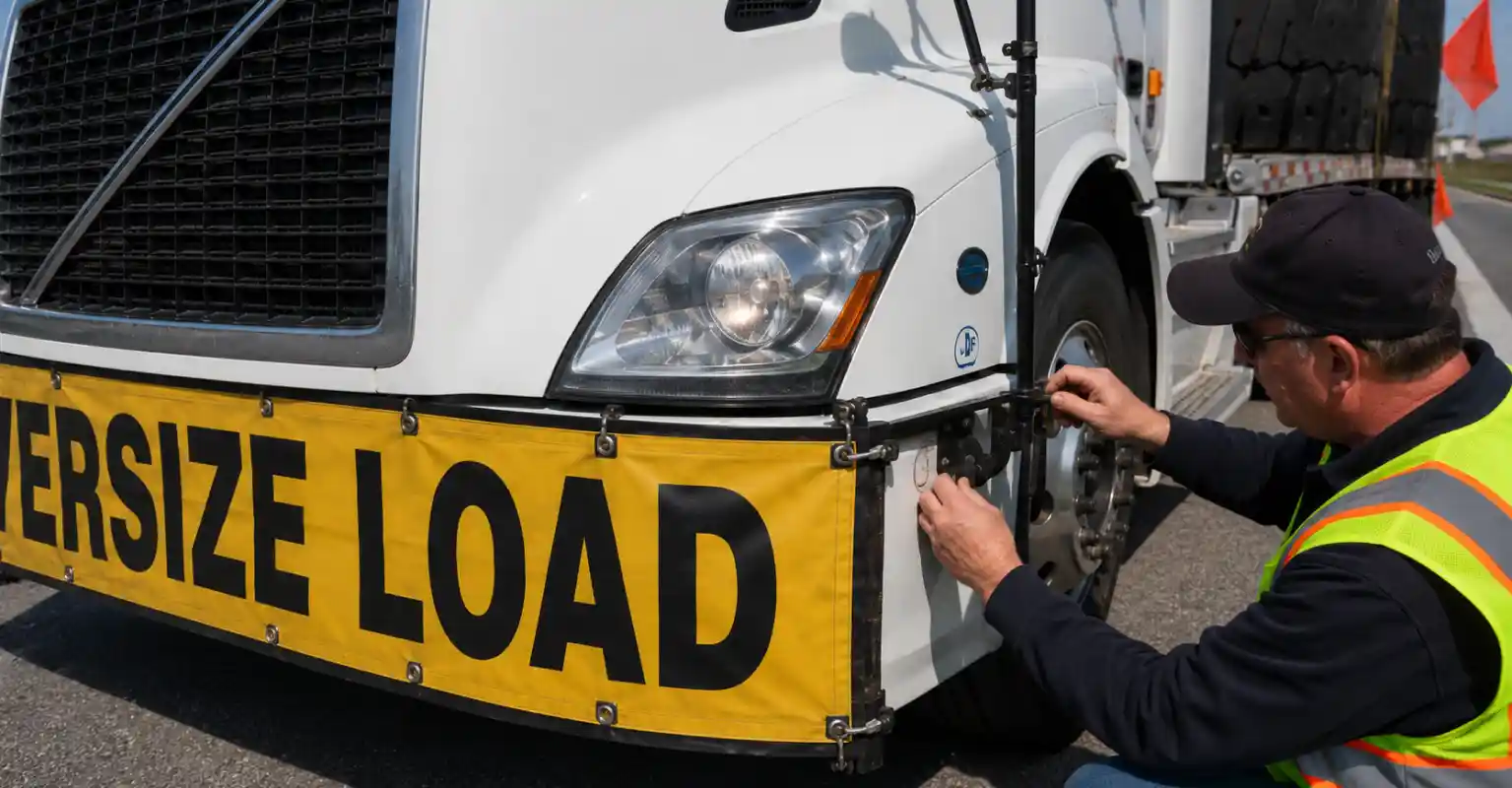
Mounting equipment faces extreme aerodynamic stress. Highway speeds generate massive wind resistance against flat surfaces. Utilizing generic oversize load banner materials leads to shredded fabric. Banners require heavy-duty vinyl construction incorporating brass grommets. Bungee cords fail under sustained wind shear. Proper securing requires industrial zip ties or bolted clamps. Securing hardware prevents banners from wrapping around exhaust stacks or tearing loose into following traffic. Torn banners constitute unsecured load violations. High-velocity winds destroy cheap mounting hardware instantly.
Tractor configurations demand specific mounting solutions. Metal bumpers allow magnetic oversize load sign applications. Magnets offer rapid deployment during multi-stop heavy haul routes. However, aluminum or fiberglass hoods require mechanical fasteners. Cab deflectors often utilize hinged oversize load sign hardware. Hinged aluminum panels fold flat when running empty. Drivers flip panels open upon loading, eliminating manual banner attachment. Modern sleeper cabs often necessitate an oversize load sign roof mount. Roof installations maximize visibility for oncoming traffic over rolling terrain. Roof racks prevent airflow disruption across aerodynamic cab fairings.
Visibility drops drastically after sunset. Moving permitted freight during twilight mandates active illumination. Any oversize load sign with lights provides necessary warning for civilian drivers. Amber flashing strobes must flank warning lettering. Wiring harnesses must connect directly to tractor electrical systems. Battery-powered units fail mid-route. DOT inspectors check strobe synchronization, wiring integrity, and lumen output. Utilizing a reflective oversize load sign provides secondary passive protection. Engineer-grade reflective tape ensures readability when active lighting systems experience electrical faults. Strict dot oversize load regulations govern exact strobe flash rates and candela output.
Extreme height introduces distinct hazard profiles. Superloads scraping low bridges risk catastrophic structural failure. Over-height configurations demand overhead wire protection. Crews must install heavy rubber matting over high cargo peaks. Rubber surfaces deflect low-hanging utility lines and communication cables. Bare metal slicing live electrical wires incinerates cargo and destroys municipal grids. Rubber deflectors slide under infrastructure, protecting sensitive transformer components. State engineers calculate clearance margins tightly. Escort vehicles utilize fiberglass height poles. When poles strike utility lines, truck drivers brake instantly. Rubber shielding prevents sparks during emergency braking maneuvers.
State borders introduce severe compliance friction. Federal standards provide baseline rules. Individual state legislatures modify visual requirements randomly. Navigating texas oversize load sign requirements reveals complex local mandates regarding banner placement and escort vehicle signage. Texas mandates specific banner dimensions, demanding exactly 10-inch lettering with 1.4-inch brush strokes. Using generic "Wide Load" banners instead of "Oversize Load" triggers Texas DOT fines. Every oversize load sign requirements manual lists distinct border regulations. Nevada requires different sign dimensions than California. Cross-border logistics require interchangeable banner kits.
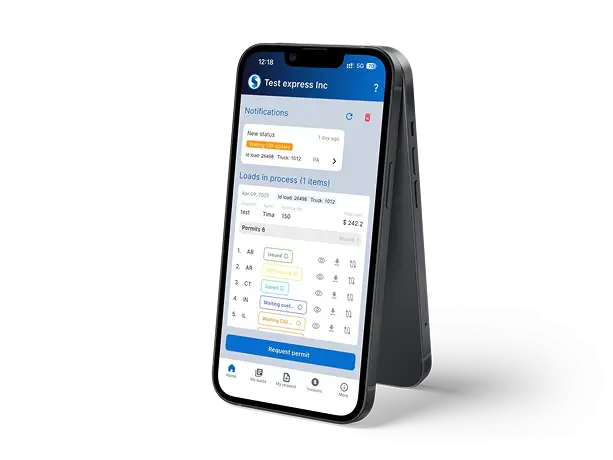
Warning signs mean nothing without matching paperwork. Visual indicators merely authorize highway entry. True legality requires corresponding route documents. Securing correct oversize permits validates banner usage. Running warning banners while hauling legal-dimension freight generates citations. Drivers must cover or remove signs when returning empty. Active signs without an active dot oversize load permit confuse law enforcement and civilian traffic. False warnings dilute safety protocols. Highway patrol officers issue tickets for displaying oversize signs on standard legal loads. Synchronizing visual markers with state routing documents ensures legal transit and preserves motor carrier safety ratings.
The efficiency of your daily broker and ways to check their credibility
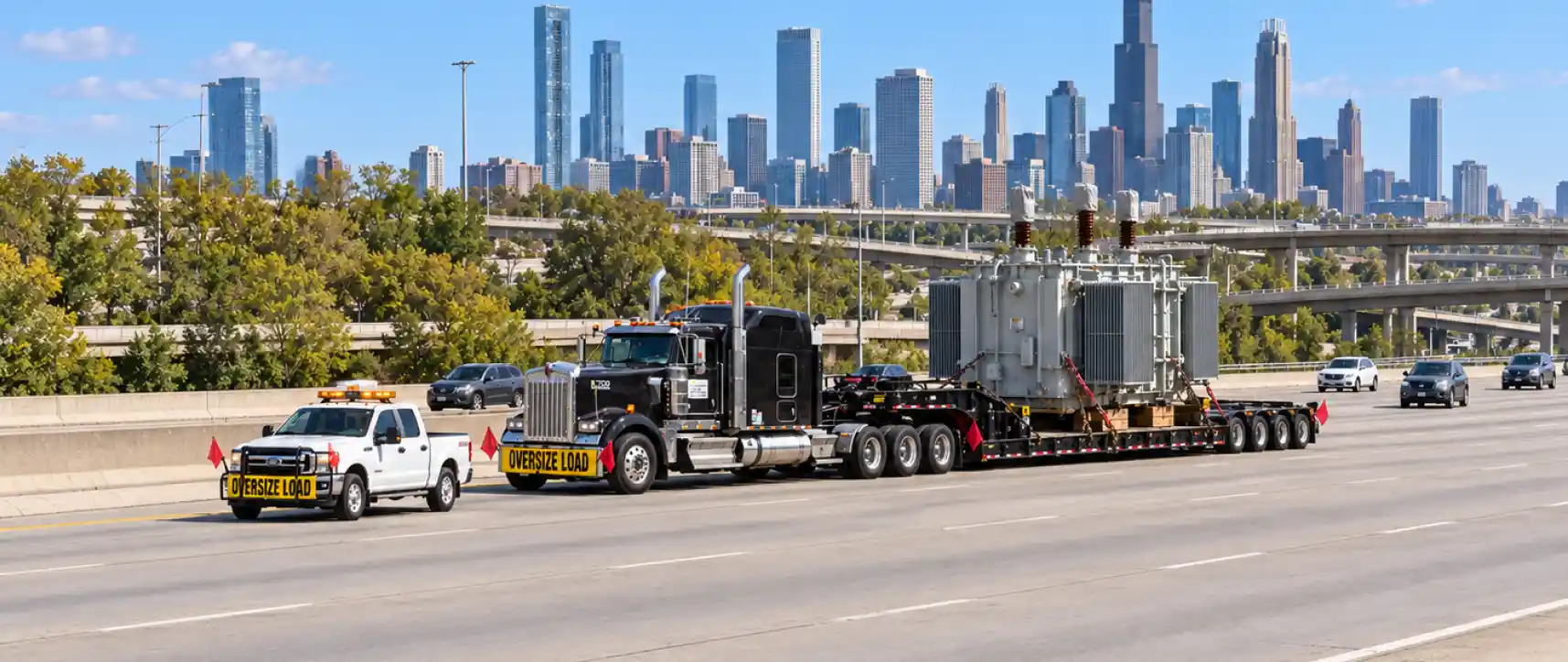
Oversize load travel windows vary by state, city, and route. Learn how rush-hour curfews and local restrictions affect interstate haul planning.
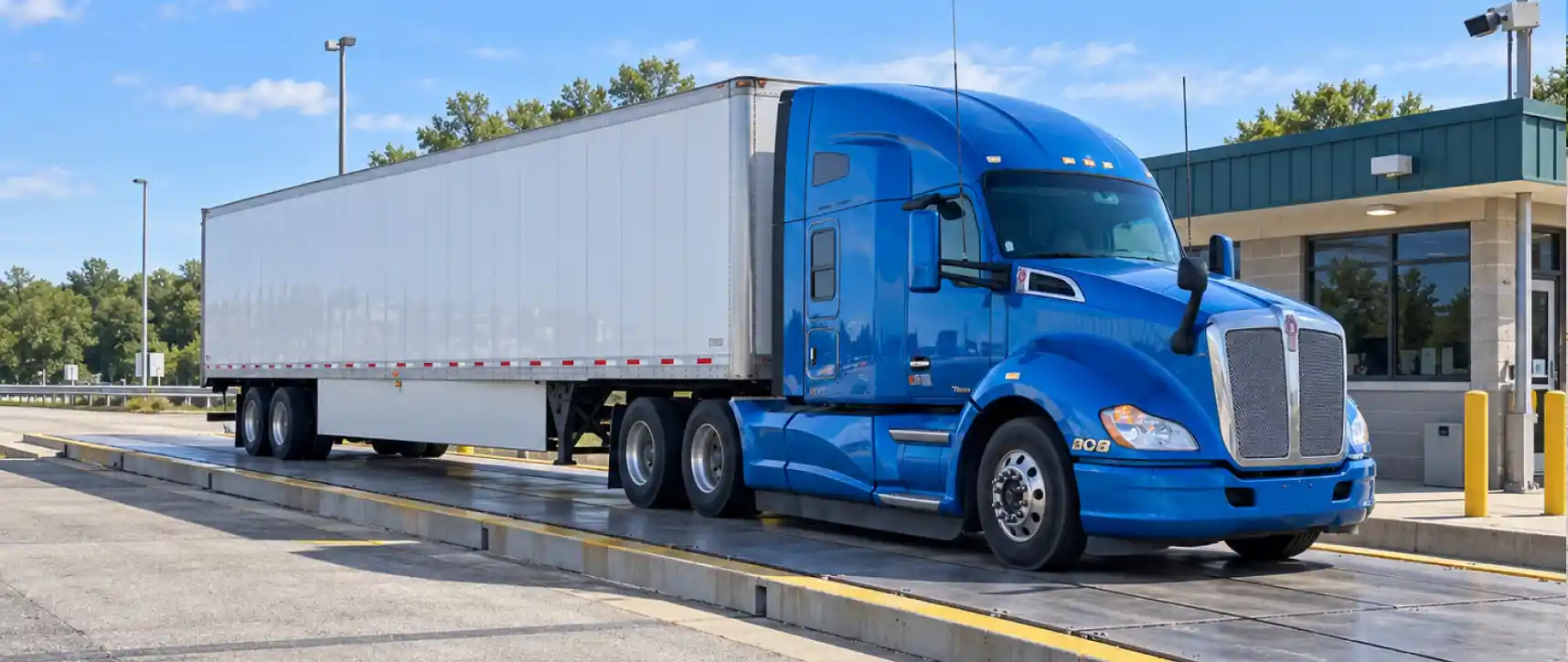
Understand US commercial truck weight limits, from gross vehicle weight to axle loads, state exceptions, and overweight permit requirements.
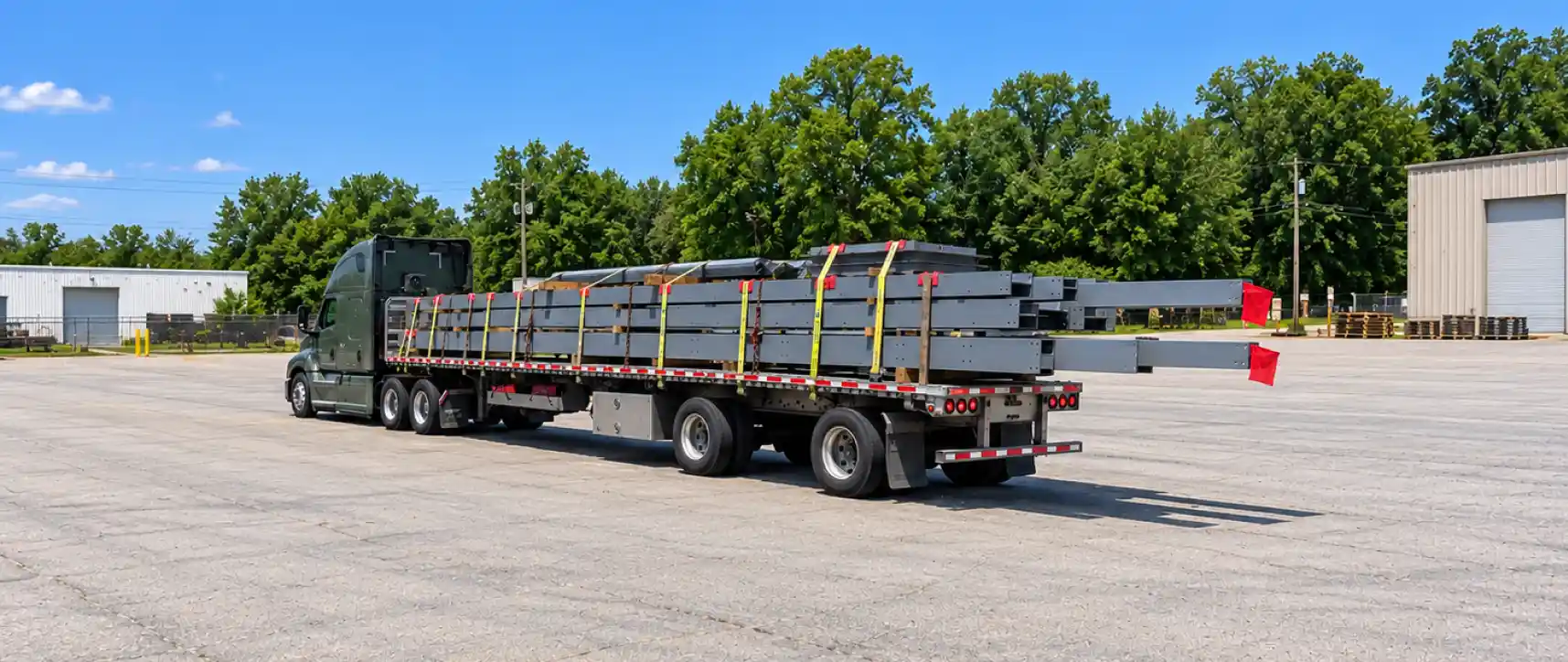
When does a long load require a permit? Learn how trailer length, cargo overhang, state rules, and escort requirements affect your next haul.
Oversize load travel windows vary by state, city, and route. Learn how rush-hour curfews and local restrictions affect interstate haul planning.
Understand US commercial truck weight limits, from gross vehicle weight to axle loads, state exceptions, and overweight permit requirements.
When does a long load require a permit? Learn how trailer length, cargo overhang, state rules, and escort requirements affect your next haul.