Free Quote

Setup


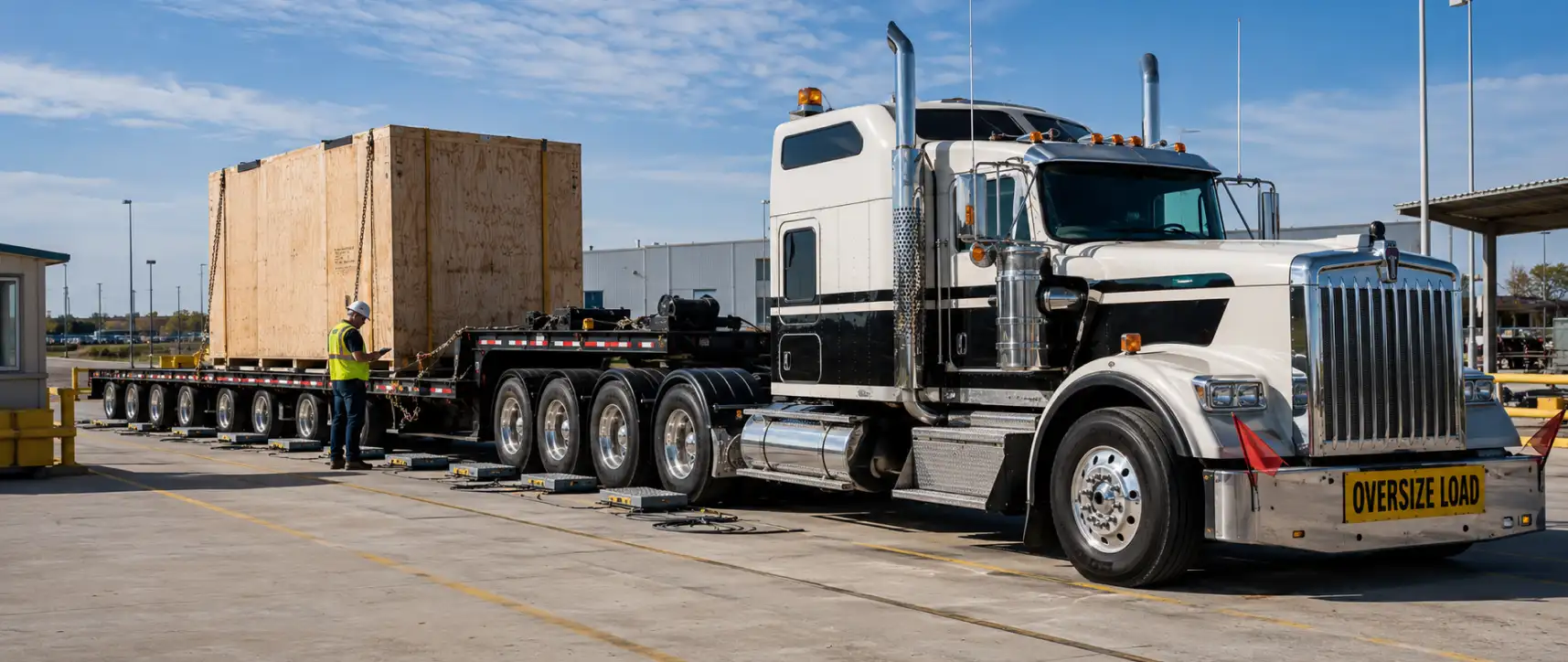
Moving massive freight requires mathematical precision. Gross tonnage means nothing if state computers flag compliance errors. Dispatchers routinely fail to secure an overweight truck permit because they misunderstand state-specific registration regulations. State departments of transportation care exclusively about infrastructure preservation. Submitting applications showing 120,000 pounds gross weight guarantees rejection if baseline truck registrations lack sufficient capacity. Numbers must align perfectly across all documentation. State routing software detects administrative mismatches instantly. Failed applications enter manual review queues, freezing freight movement indefinitely. Accuracy dictates operational velocity.
Base tractor registration limits represent critical failure points. State weigh stations verify physical scale numbers against International Registration Plan (IRP) cab cards. If physical payload exceeds registered cab card weight, law enforcement issues out-of-service violations. Upgrading tractor registered weight limits is mandatory before applying for routing documents. Increasing maximum registered capacity on cab cards accelerates state verification processes significantly. State clerks verify base registrations first. Higher registered maximums also trigger mathematical fee discounts in specific jurisdictions. States calculate fee reductions using proprietary formulas based on declared cab card maximums rather than temporary trip numbers. Paying higher base registration fees upfront yields massive savings on individual trip documents over annual operations. Example cab card configurations demonstrate required state-by-state registered variances for heavy operations: CT - 200000 IA - 200000 KS - 85500 MT - 150000 OK - 90000 WY - 111500 WA - 101500 Matching physical mass to these exact registration limits prevents catastrophic scale delays.
Securing dot overweight permits depends heavily on axle weight distribution. Total payload mass matters less than pressure exerted per square inch of pavement. Federal Bridge Formula B dictates legal limits for specific axle groupings. Concentrating 80,000 pounds on tight tandem axles destroys concrete bridge decks. Spreading that same weight across multi-axle configurations protects infrastructure. State engineers scrutinize inner and outer bridge measurements. Outer bridge measures distance between first steering axle and last trailer axle. Inner bridge measures distances between intermediate axle groupings. Tape measures at weigh stations verify submitted data. Discrepancies between submitted spacing and physical measurements invalidate paperwork immediately.
Any overweight load must match designated equipment capabilities. Tire ratings and suspension types alter maximum allowable limits. Running wide-base super single tires yields different payload capacities than traditional dual tire setups. State routing systems calculate exact pavement stress metrics based on tire width inches. Air ride suspensions receive preferential weight allowances over mechanical spring suspensions due to reduced road impact dynamics. Exceeding manufacturer tire ply ratings or suspension capacities results in automatic routing rejection. Dispatchers must submit exact equipment specifications to bypass automated system blocks. Using modular trailers, Schnabel configurations, or removable goosenecks (RGNs) alters weight distribution profiles drastically. Data entry must match physical metal.
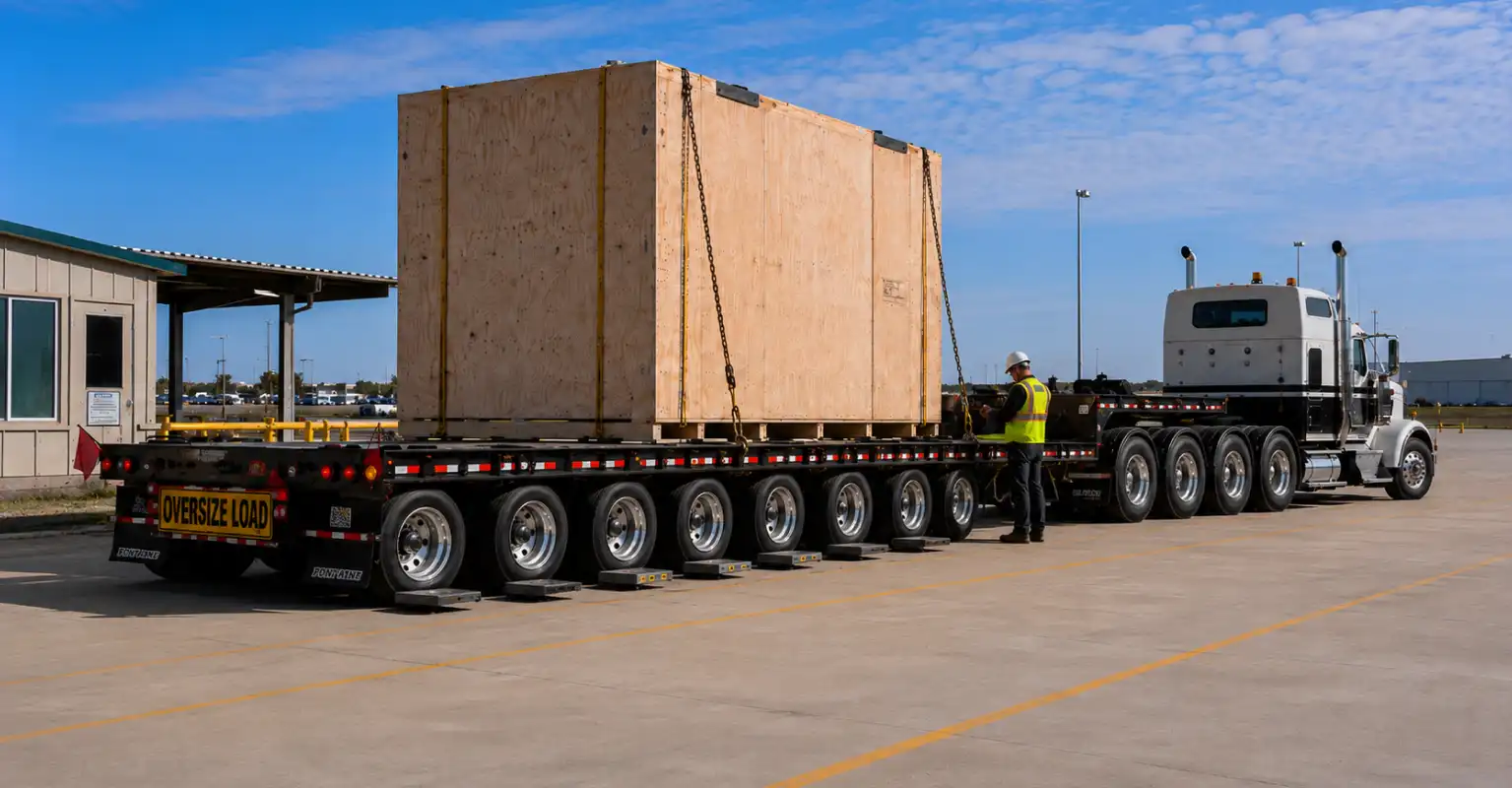
Pushing configurations past standard heavy thresholds triggers superload protocols. States classify freight exceeding 130,000 to 150,000 pounds as superloads. Automated processing stops completely. Obtaining a heavy weight permit for superloads requires manual civil engineering analysis. Engineers manually calculate structural integrity for every culvert, bridge, and overpass along requested routes. This manual analysis adds days or weeks to approval timelines. Carriers must submit detailed technical diagrams showing center of gravity, payload dimensions, and precise axle loadings. Engineers look for asymmetrical weight distribution. Incomplete technical drawings guarantee application denial.
Superload configurations often necessitate third-party route surveys. Physical surveys prove rigs can navigate highway geometry without destroying public property. Surveyors drive requested routes measuring bridge clearances, roundabout radiuses, and intersection angles. Approvals for special hauling permits depend entirely on these survey results. Severe weight mandates speed reductions crossing specific bridges. Rigs might need to cross structures at walking speed to minimize harmonic vibrations. Local municipalities might demand police escorts to stop oncoming traffic, allowing heavy rigs to straddle center lines over weak bridge decks. Infrastructure dictates speed. Bypassing physical surveys ensures massive delays during manual application reviews.
Seasonal weather changes severely impact approval odds. Northern states implement strict frost laws during spring thaw cycles. Melting ice weakens asphalt base layers. States drastically reduce maximum allowable axle weights to prevent highway destruction. Standard heavy configurations face total embargoes on secondary roads during these periods. Securing heavy haul permits requires deep knowledge of live seasonal restrictions. Operators reroute combination vehicles exclusively onto interstate highways built with thicker concrete beds. Some states mandate specific tire pressure reductions during winter months to widen footprints. Ignoring seasonal weight limits guarantees routing rejection and severe administrative fines.
Crossing state lines multiplies bureaucratic friction. State DOT systems operate independently. Multi-state routes require synchronized geometry. If Ohio calculates maximum weight using one formula, but Indiana uses different axle spacing criteria, border crossings become impassable. Travel curfews add complexity. Certain jurisdictions ban heavy movement during rush hours, weekends, or federal holidays. Night travel permissions vary wildly between neighboring states. Dispatchers must calculate precise transit times to avoid stranding drivers at state borders. Strict adherence to state-specific limits, upgraded cab card registrations, and flawless dimension data remain critical variables for maintaining legal highway operations. Fleet discipline prevents halted freight.
The efficiency of your daily broker and ways to check their credibility
Oversize load travel windows vary by state, city, and route. Learn how rush-hour curfews and local restrictions affect interstate haul planning.
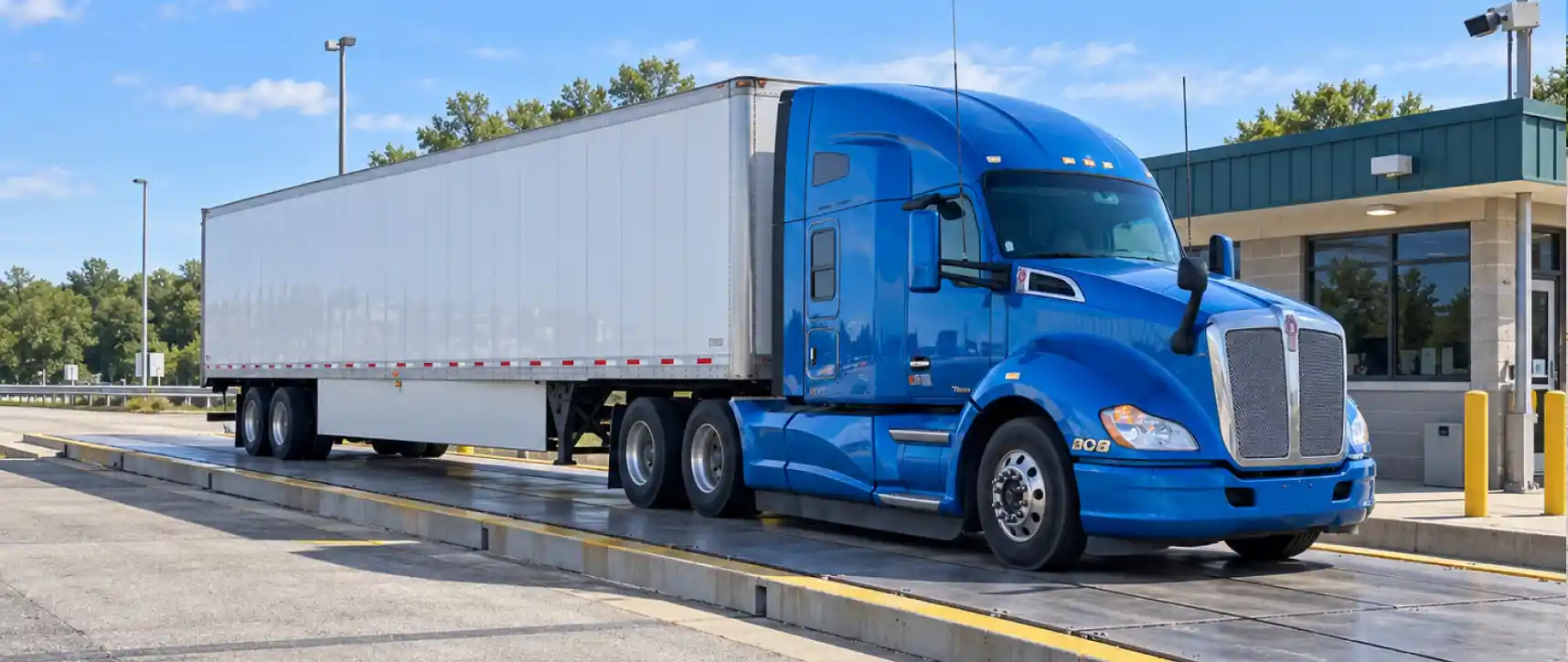
Understand US commercial truck weight limits, from gross vehicle weight to axle loads, state exceptions, and overweight permit requirements.
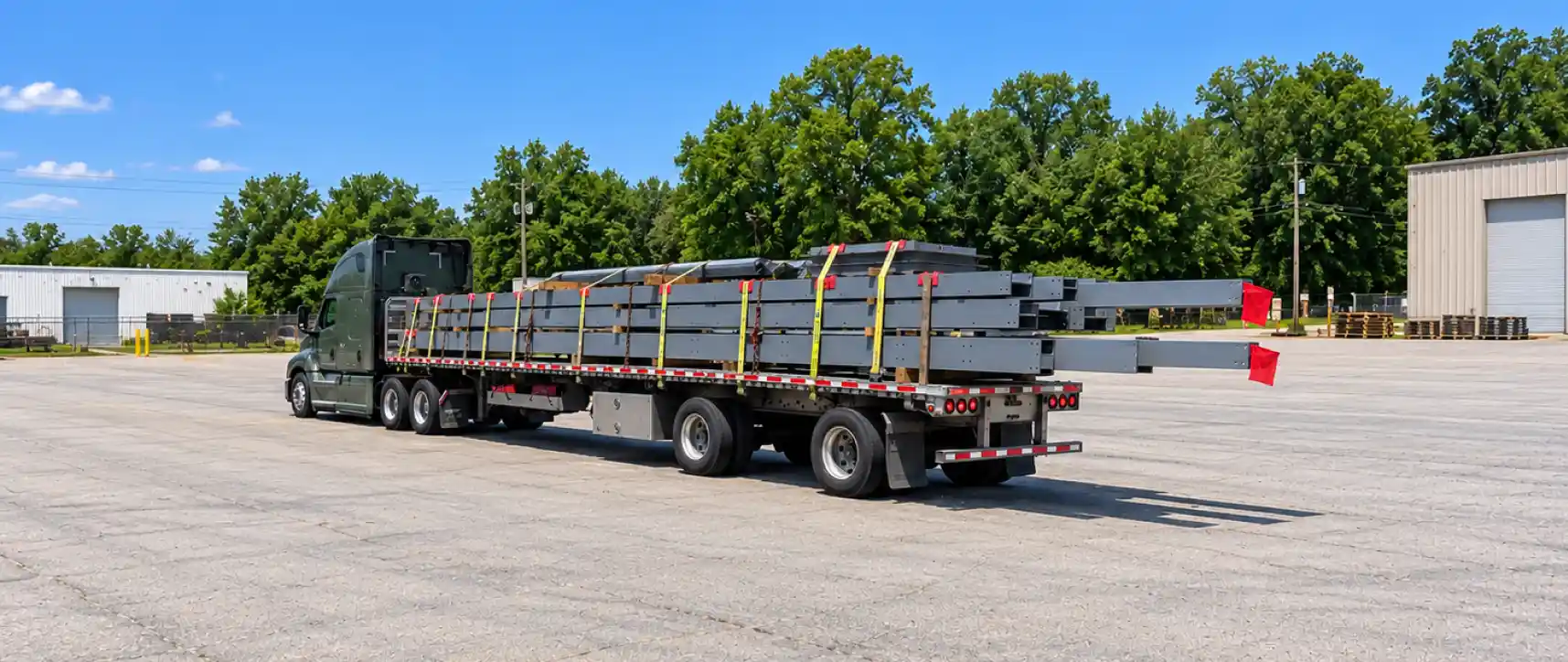
When does a long load require a permit? Learn how trailer length, cargo overhang, state rules, and escort requirements affect your next haul.
Oversize load travel windows vary by state, city, and route. Learn how rush-hour curfews and local restrictions affect interstate haul planning.
Understand US commercial truck weight limits, from gross vehicle weight to axle loads, state exceptions, and overweight permit requirements.
When does a long load require a permit? Learn how trailer length, cargo overhang, state rules, and escort requirements affect your next haul.