Free Quote

Setup


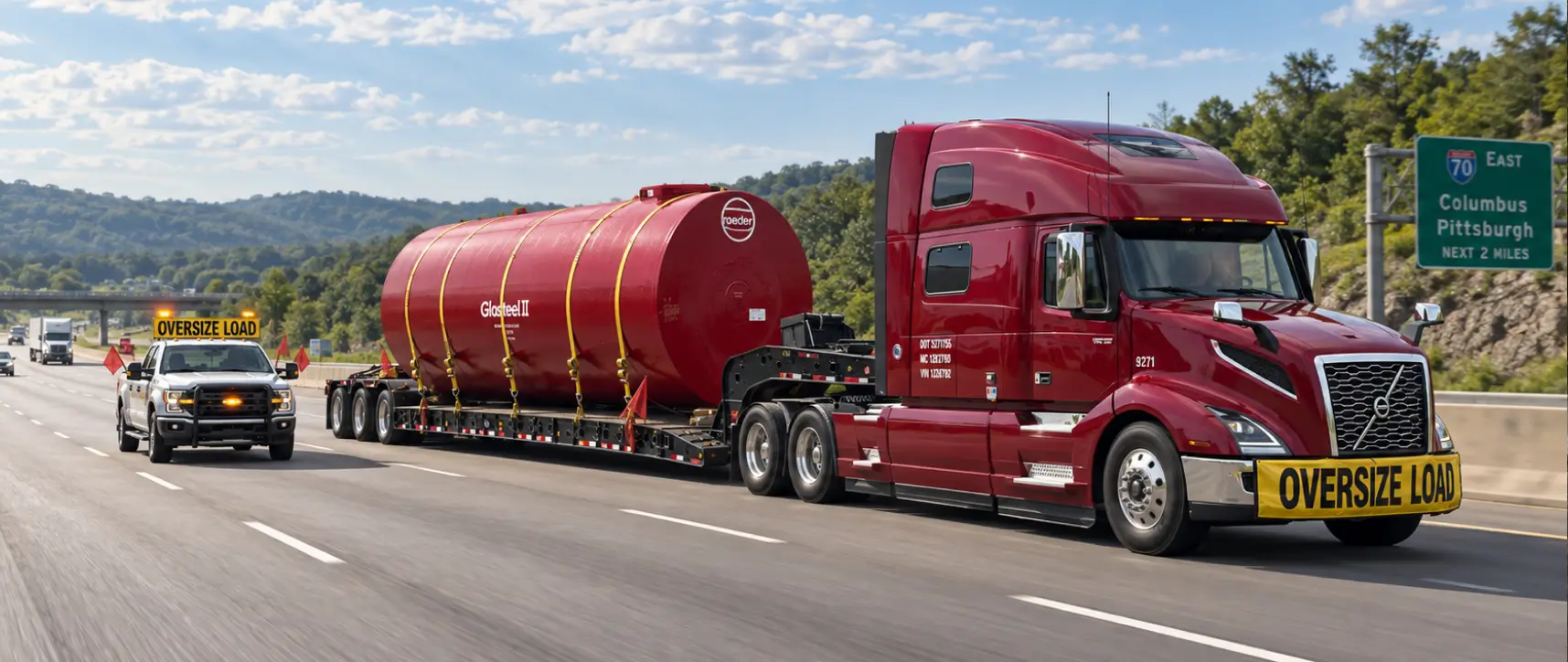
Fleet managers face one critical question daily: when will authorization paperwork arrive? Moving massive freight requires aggressive, precise scheduling. Rental cranes cost thousands per hour. Loading crews stand idle awaiting DOT clearance. Dispatchers must understand exact processing timelines before committing toward delivery dates. Guessing creates financial disasters. This guide breaks down actual approval windows across different weight classes, helping logistics professionals build realistic operational calendars.
State departments operate completely independently regarding commercial transport. Federal guidelines dictate interstate standards, yet local municipalities control actual document issuance. Therefore, securing an oversize permit in Texas might require two hours, whereas neighboring Louisiana demands two days. Blanket assumptions destroy logistics schedules. Every state utilizes distinct software portals, engineering review protocols, and varying staffing levels directly affecting overall speed. Ignorance regarding these regional differences guarantees missed deadlines.
Routine hauling usually enjoys rapid turnarounds. If your payload slightly exceeds standard width or length thresholds without pushing massive weight, automated software handles everything. Many state DOTs utilize self-issuing portals addressing minor infractions quickly. Assuming carrier profiles hold perfect standing, obtaining basic oversize permits takes minutes or hours, rarely days. Computers verify basic route geometries instantly against known bridge clearances, issuing approvals without human intervention.
However, human intervention drastically slows automated systems. Minor data entry errors—like swapping axle measurements or miscalculating overhang—kick applications directly out of automated queues. A clerk must manually review flagged submissions during standard business hours. Nighttime submissions sit untouched until morning shift arrivals. Weekend requests wait until Monday morning. Flawless data entry remains absolutely crucial for maintaining fast turnaround speeds. Simple typographical errors turn two-hour wait times into two-day administrative nightmares.
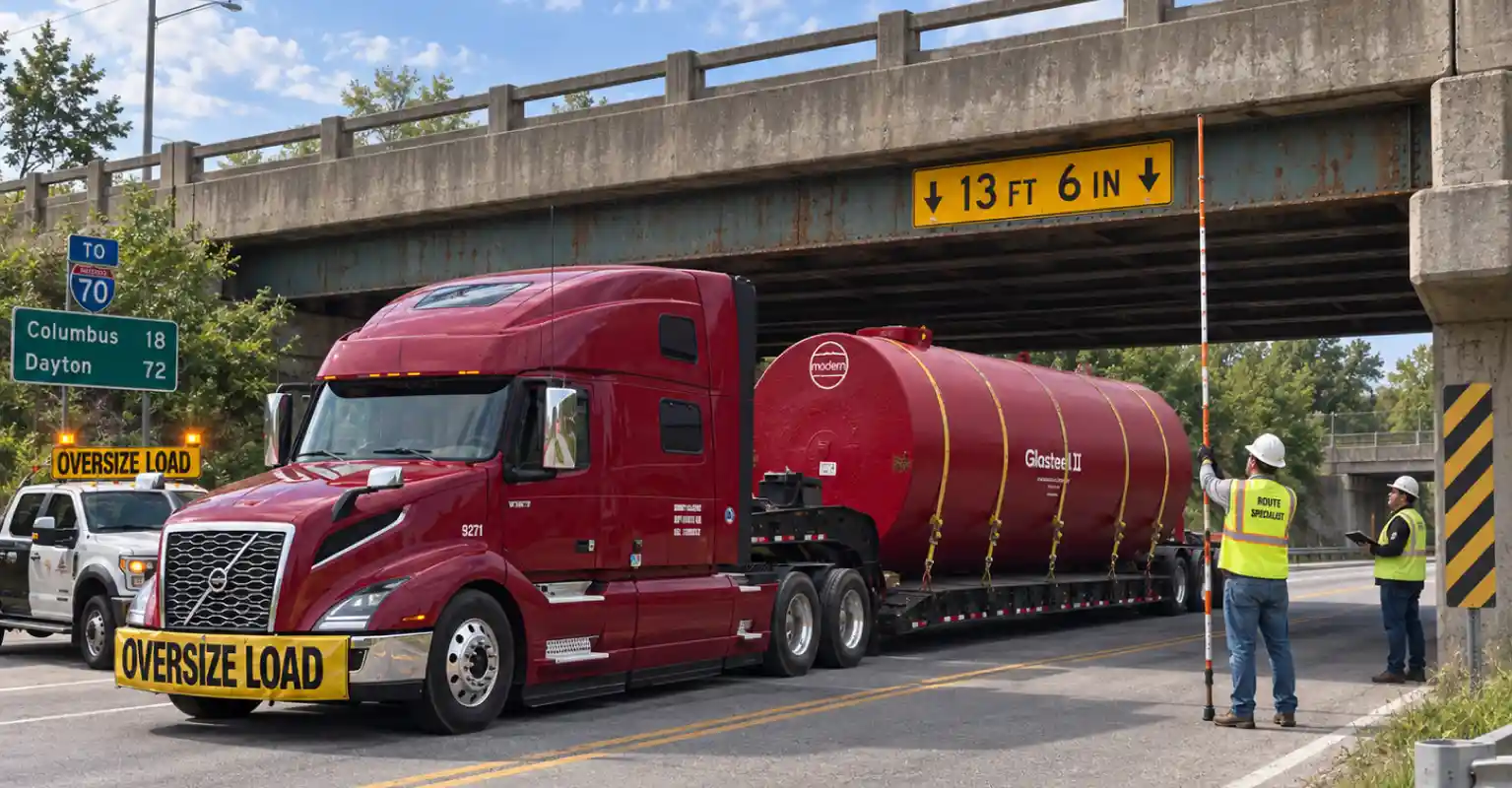
Weight changes everything regarding processing expectations. Pushing gross tonnage past 150,000 pounds triggers mandatory structural reviews. Getting an oversize load permit for heavy industrial machinery stops being an administrative task and becomes an engineering problem. State civil engineers must calculate Federal Bridge Formula compliance meticulously. They analyze exactly how specific axle spacing distributes localized pressure across aging concrete spans. Pavement preservation outweighs your delivery schedule.
These structural analyses consume significant time. Medium-heavy loads (150,000 to 180,000 pounds) typically require three to five business days. Break the 200,000-pound threshold, entering superload territory, and timelines stretch drastically. Superloads often demand physical route surveys, where scout vehicles drive intended paths measuring actual bridge deflections alongside overhead clearances. Securing authorizations for extreme tonnage regularly takes two to three weeks. If dispatchers promise next-Tuesday delivery for 300,000-pound transformers, they fail mathematically before engines even start.
Route complexity directly dictates processing delays. Running straight down major interstates minimizes review friction. Federal interstates feature standardized overpass heights alongside reinforced pavement designed specifically for heavy commerce. Conversely, routing massive freight through winding state highways, secondary roads, or municipal streets requires coordinating multiple local jurisdictions simultaneously. Every county or city might demand separate approvals, compounding overall wait times exponentially. Local municipalities often lack dedicated permit staff, dragging reviews out for days.
Navigating varying oversize load permit requirements across state borders amplifies these delays. Multi-state routes mean sequential processing. Dispatchers cannot finalize Louisiana paperwork if Texas hasn't approved border crossing coordinates yet. Understanding why one oversize load gets approved faster than another often comes down to route selection strategy. Bypassing complex urban centers might add fifty miles to your trip but shave three days off permit processing times. Smart planners prioritize administrative speed over pure mileage efficiency.
Processing speeds also influence financial planning heavily. Baseline oversize load permit cost varies wildly between states, but lost time costs infinitely more than paper. Paying rush fees sometimes accelerates manual administrative reviews, though state engineers absolutely cannot rush mathematical bridge analyses. Smart carriers factor administrative wait times into initial freight quotes, protecting profit margins against inevitable bureaucratic delays. You must charge clients for time spent sitting waiting for government stamps.
Attempting to bypass proper channels risks massive penalties. Forging documents or running without finalized oversize load permits guarantees immediate impoundment. State troopers verify permit numbers electronically against DOT databases instantly during scale house inspections. Patience remains mandatory. Partnering with dedicated permit agencies streamlines application accuracy, eliminating rookie mistakes that drag hours into days. Perfect preparation guarantees the fastest possible transition from parked trailers toward rolling freight. Professional permit agents know exactly which state offices process applications rapidly and which require constant follow-up calls, keeping your fleet moving efficiently.
The efficiency of your daily broker and ways to check their credibility
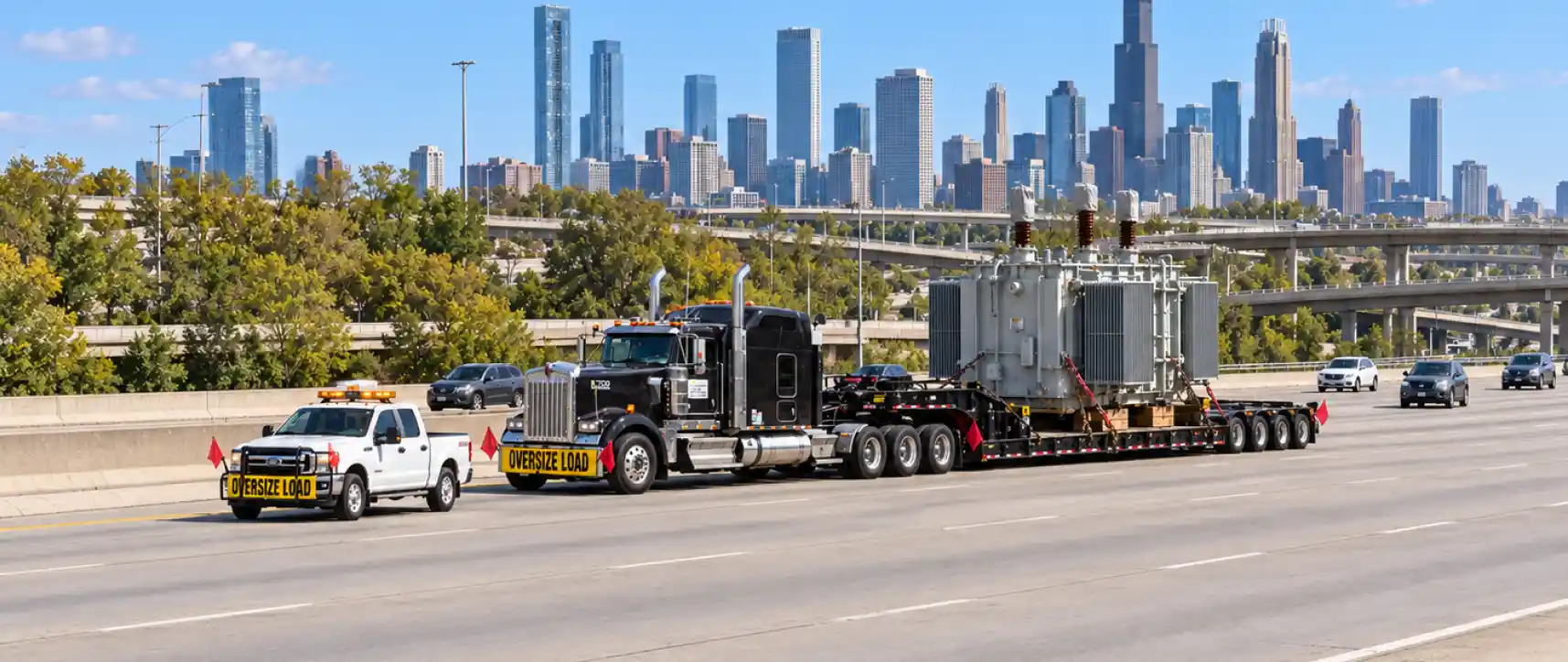
Oversize load travel windows vary by state, city, and route. Learn how rush-hour curfews and local restrictions affect interstate haul planning.
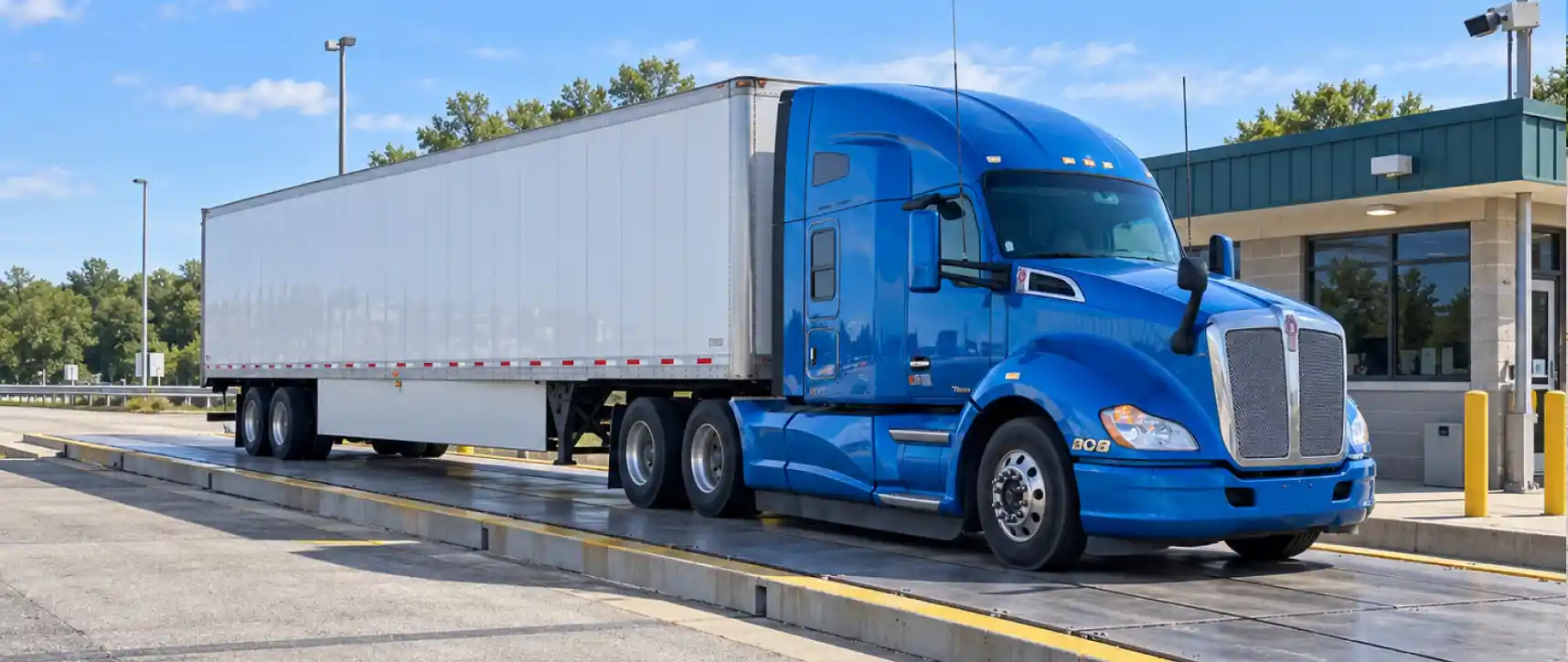
Understand US commercial truck weight limits, from gross vehicle weight to axle loads, state exceptions, and overweight permit requirements.
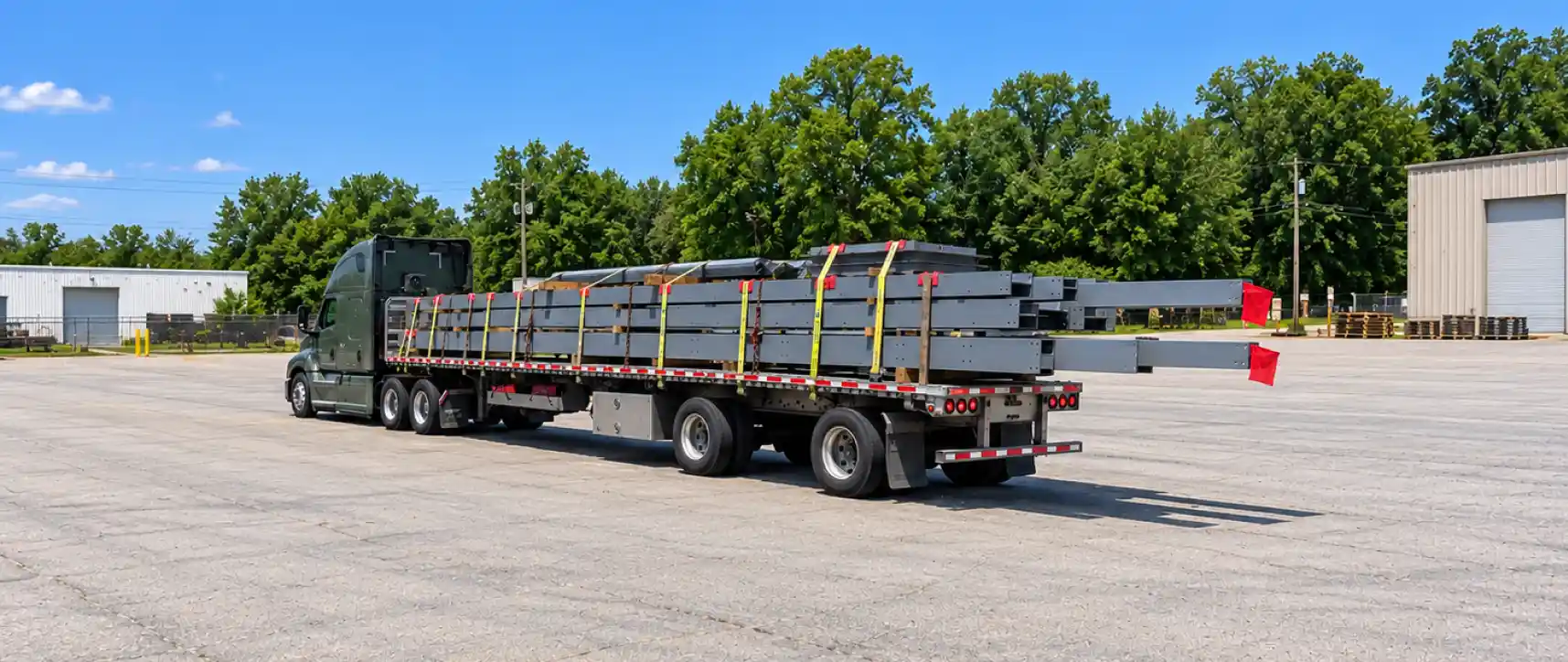
When does a long load require a permit? Learn how trailer length, cargo overhang, state rules, and escort requirements affect your next haul.
Oversize load travel windows vary by state, city, and route. Learn how rush-hour curfews and local restrictions affect interstate haul planning.
Understand US commercial truck weight limits, from gross vehicle weight to axle loads, state exceptions, and overweight permit requirements.
When does a long load require a permit? Learn how trailer length, cargo overhang, state rules, and escort requirements affect your next haul.