Free Quote

Setup


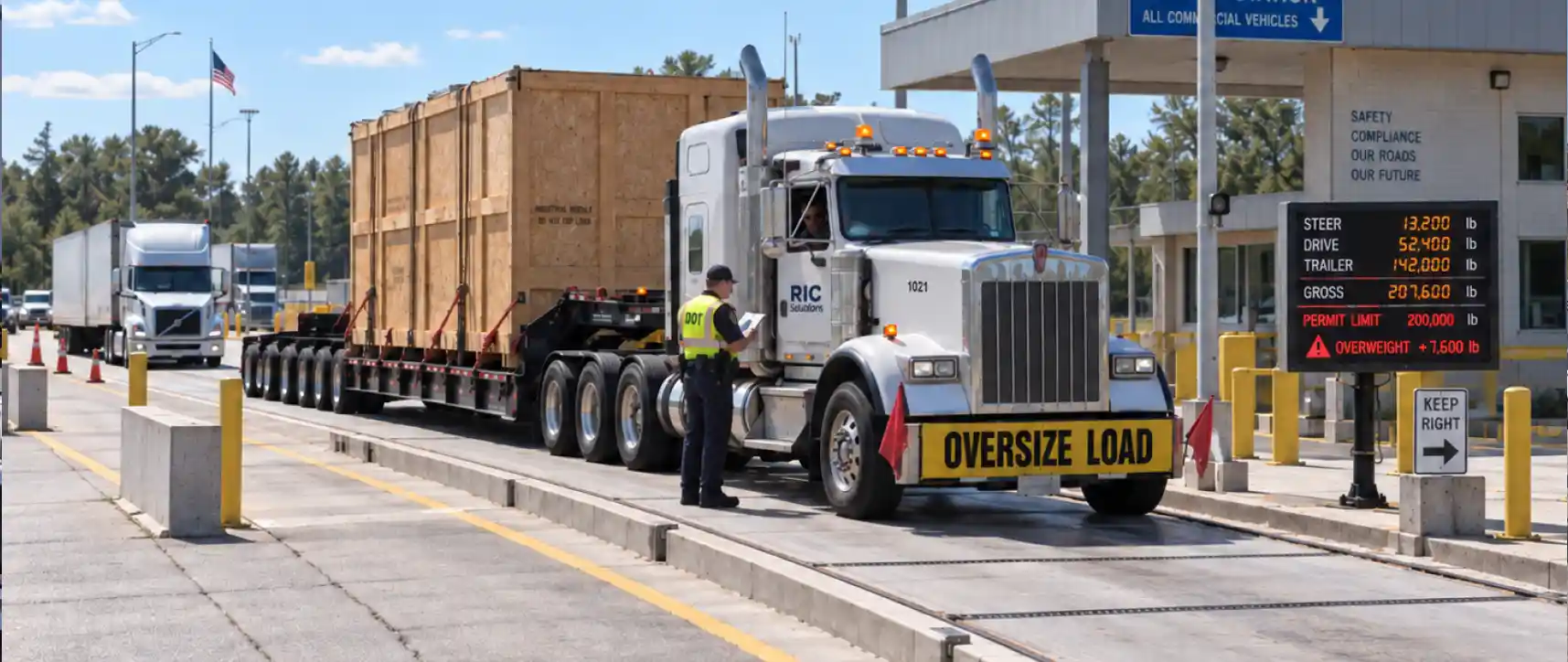
Commercial heavy hauling requires uncompromising accuracy. Relocating immense industrial components and oversized construction equipment mandates rigorous strategic planning. Fleet managers must declare exact gross vehicle mass, specific axle spacings, alongside precise cargo measurements when pursuing legal transit paperwork. When actual scale tickets contradict submitted paperwork, transportation companies face immediate crises. Law enforcement officers actively monitor highway networks, checking commercial vehicles against approved parameters. Discovering unauthorized excess mass triggers severe penalties, crippling logistical timelines. Understanding potential ramifications helps logistics managers prioritize accuracy during initial planning phases.
Entering state weigh stations initiates strict compliance checks. Scale sensors capture gross weight totals alongside individual axle groups. If recorded numbers exceed approved limits listed on any specific overweight truck permit, DOT officers intervene instantly. Standard procedure dictates immediate Out-Of-Service (OOS) declarations. Vehicles remain grounded until fleet managers resolve discrepancies completely. Troopers rarely grant leniency regarding mass violations, recognizing heavy loads cause accelerated highway deterioration. Grounded trucks disrupt supply chains, causing cascading delays across entire manufacturing networks. Clients expecting critical machinery face expensive work stoppages while carriers scramble seeking solutions.
Financial penalties accompanying weight violations destroy profit margins instantly. State agencies calculate fines based on total excess mass exceeding authorized limits. Exceeding approved figures by several thousand pounds generates astronomical citations. Some jurisdictions employ sliding penalty scales, where per-pound fines increase exponentially as violations worsen. Furthermore, possessing invalid overweight permit documentation sometimes nullifies initial clearance entirely. Authorities might treat offending vehicles as operating without any documentation whatsoever. This situation subjects motor carriers to maximum statutory fines. Repeat offenders risk losing operating authority entirely, facing permanent exclusion from commercial transportation industries.
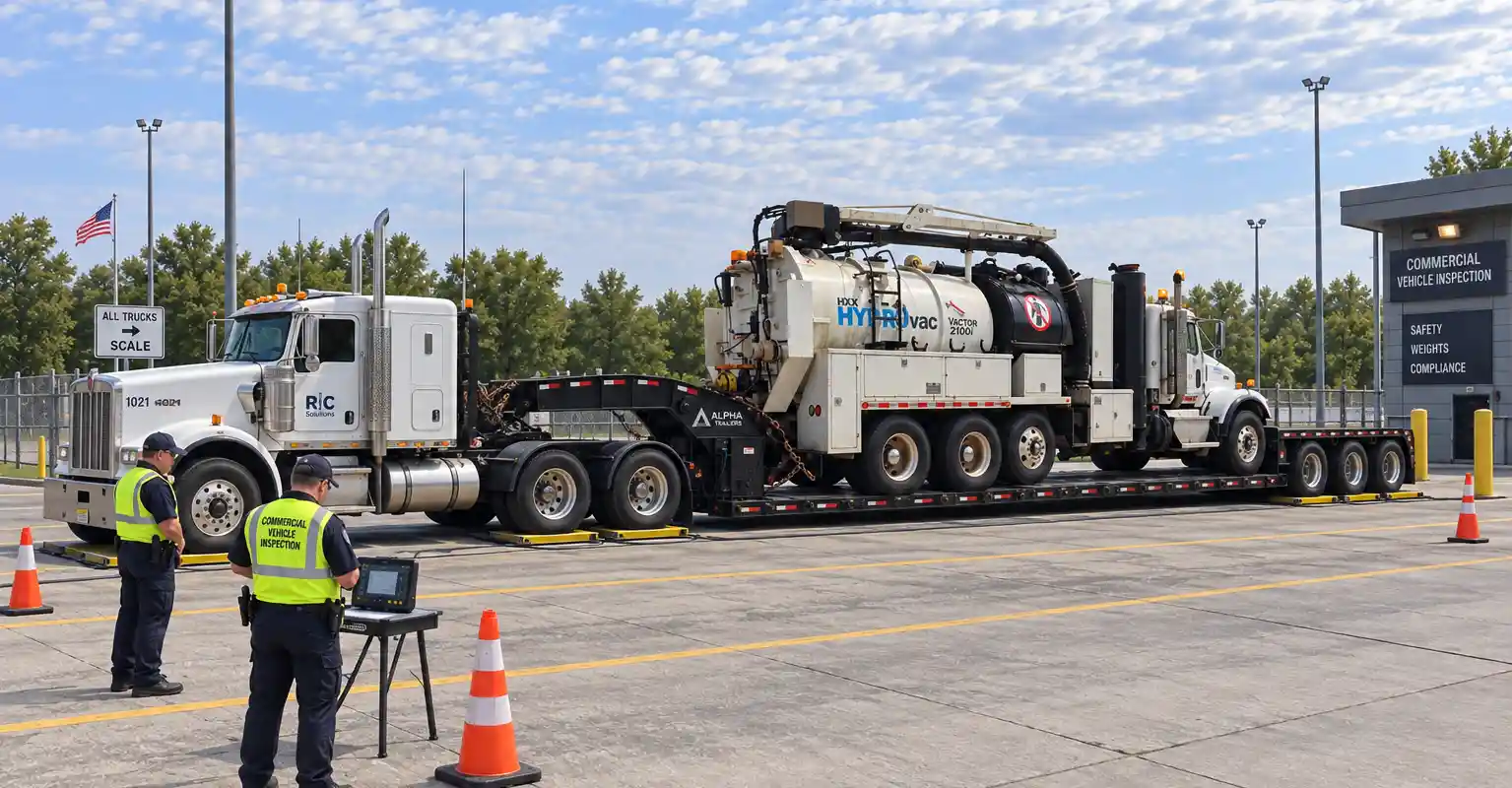
Receiving OOS orders forces companies into expensive mitigation protocols. Law enforcement demands strict compliance before releasing impounded equipment. Sometimes, resolving discrepancies requires shifting cargo positions, balancing axle weights properly. However, heavy industrial payloads often resist simple repositioning. Moving massive transformers or monolithic structural steel demands specialized cranes, heavy-duty forklifts, and expert rigging crews. Hiring emergency lifting services near remote weigh stations costs thousands. If reconfiguration fails, dispatchers must dispatch secondary trailers, splitting loads into legal portions. Alternatively, companies must apply for revised dot overweight permits, praying state officials process new applications quickly. During waiting periods, drivers endure forced layovers, consuming valuable service hours while guarding stranded assets.
Why do highway patrols enforce mass restrictions so aggressively? State departments maintain fragile infrastructure networks comprising aging bridges, stressed overpasses, and degrading pavement surfaces. Civil engineers design transportation structures utilizing specific stress tolerances. Approved overweight permits guarantee assigned travel routes possess adequate structural integrity supporting requested mass. When carriers misrepresent actual payload measurements, they subject unapproved bridges to catastrophic stress levels. Overloaded axles cause immediate pavement cracking, structural fatigue, or total collapse scenarios. Consequently, authorities view document falsification or measurement negligence as direct threats against public safety. Motor carriers causing infrastructure destruction face unlimited civil liability, potentially bankrupting corporate entities completely.
Total gross weight represents only one critical compliance metric. Many logistics planners fail recognizing strict axle distribution requirements. Submitting accurate gross numbers but miscalculating individual axle weights causes frequent violations. Heavy haul configurations rely on specific weight distribution across steer, drive, and trailer axles. When actual placement deviates from approved diagrams, localized pressure exceeds legal limits. Obtaining accurate overweight trucking permits demands precise engineering analysis regarding cargo placement. For further insight regarding complex configurations, readers should review detailed explanations explaining why some overweight loads are harder to permit than others. Properly engineering trailer setups prevents unexpected scale house disasters.
Crossing state borders complicates regulatory compliance exponentially. Individual transportation departments maintain sovereign authority regarding highway regulations within respective borders. Motor carriers frequently assume standard variance allowances exist universally. This assumption proves disastrous routinely. While certain jurisdictions allow minor discrepancies measuring several hundred pounds, strict enforcement states operate under zero-tolerance mandates. Discovering excess mass totaling mere fractions above approved limits triggers full enforcement protocols instantly. Ignorance regarding specific state regulations provides zero legal defense during scale house interventions. Securing multi-state clearance necessitates adhering to strictest regulations along planned routes. Route planners must evaluate every jurisdictional boundary carefully, preventing unexpected regulatory traps delaying time-sensitive deliveries.
Beyond immediate financial penalties, weight discrepancies generate long-lasting operational consequences. Federal Motor Carrier Safety Administration (FMCSA) algorithms track all regulatory violations meticulously. Citations issued during scale interventions impact corporate Compliance, Safety, Accountability (CSA) scores negatively. Accumulated points degrade overall safety ratings significantly. Poor safety metrics invite frequent roadside inspections, consuming valuable transit hours constantly. Furthermore, commercial insurance providers monitor CSA scores actively when calculating premium rates. Carriers displaying habitual weight violations face massive insurance premium hikes. Sometimes, underwriters drop high-risk accounts entirely, forcing companies into expensive high-risk insurance markets. Maintaining flawless permit compliance protects future profitability just as much as current logistical operations.
Preventing costly scale mismatches requires rigorous internal protocols. Professional heavy haulers utilize certified CAT scales immediately after loading, verifying exact numbers before beginning interstate transit. Relying on manufacturer estimated weights or bill-of-lading approximations invites catastrophic failure. Equipment modifications, accumulated mud, or snow accumulation alter total mass significantly. Dispatchers must factor such variables into initial permit applications. Partnering with dedicated compliance professionals guarantees accurate route surveys, precise axle calculations, and flawless document procurement. Expert routing specialists understand state-specific nuances, ensuring submitted measurements match exact regulatory requirements. Protecting corporate reputations demands unwavering commitment regarding weight accuracy, keeping commercial supply chains moving flawlessly without law enforcement interruptions.
The efficiency of your daily broker and ways to check their credibility
Get help with oversize permits and route planning. Call our team to get started.
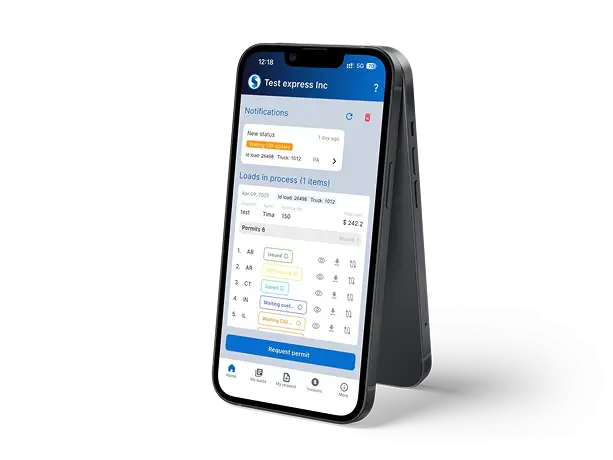
Download Omni Star and manage your permits on the go.

Can oversize loads travel at night? Explore state-by-state night travel restrictions, lighting requirements, and escort rules to help plan your next haul.
Oversize load travel windows vary by state, city, and route. Learn how rush-hour curfews and local restrictions affect interstate haul planning.
Understand US commercial truck weight limits, from gross vehicle weight to axle loads, state exceptions, and overweight permit requirements.
Can oversize loads travel at night? Explore state-by-state night travel restrictions, lighting requirements, and escort rules to help plan your next haul.
Oversize load travel windows vary by state, city, and route. Learn how rush-hour curfews and local restrictions affect interstate haul planning.
Understand US commercial truck weight limits, from gross vehicle weight to axle loads, state exceptions, and overweight permit requirements.