Free Quote

Setup


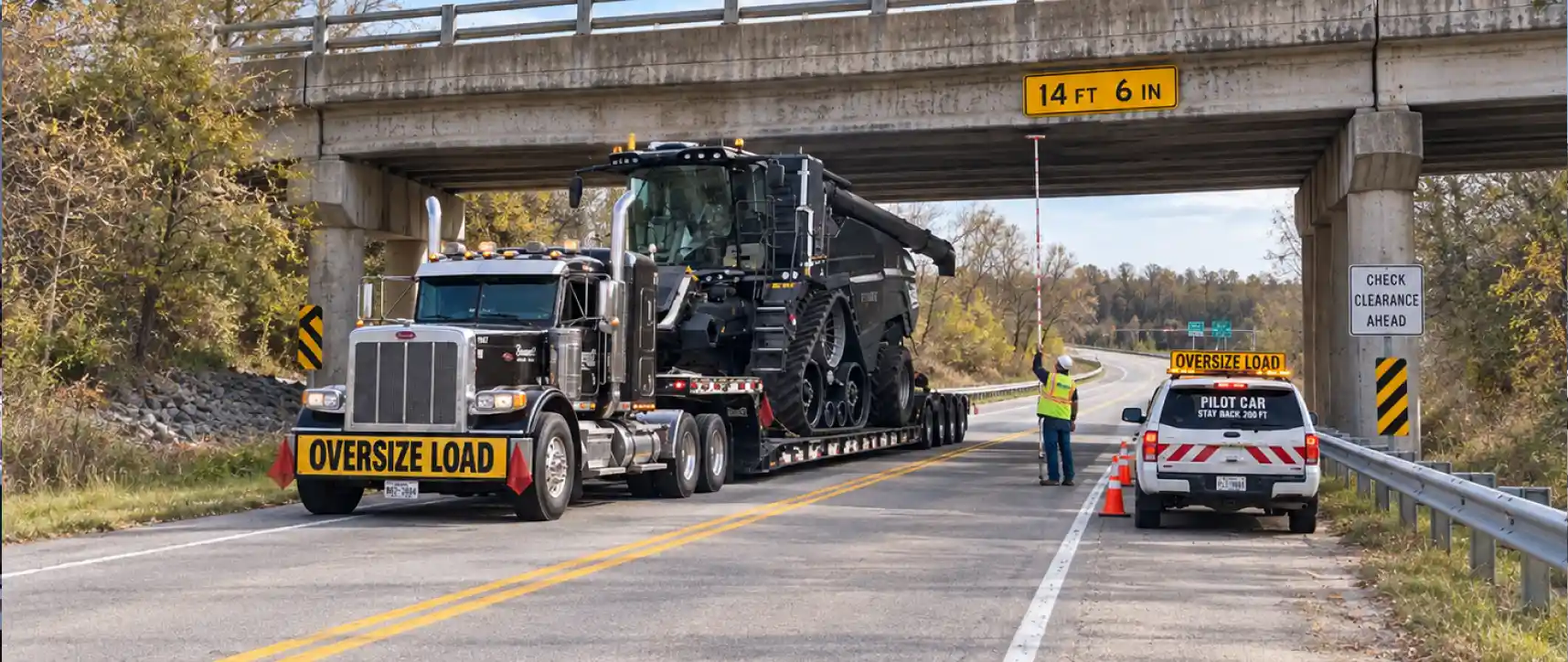
Transporting massive cargo presents unique logistical challenges. Moving towering freight demands strict compliance regarding vertical clearances. Dispatchers must know exactly when shipments transform into overheight loads. Breaching vertical boundaries lacking proper documentation invites devastating bridge impacts, severe law enforcement citations, and mandatory Out of Service (OOS) declarations. Comprehending exact vertical constraints mitigates infrastructure destruction, ensuring commercial freight networks operate flawlessly.
Federal guidelines establish baseline height limits across interstate highways. Generally, commercial transport regulations restrict vertical dimensions to 13 feet 6 inches. Any commercial motor vehicle exceeding this exact measurement qualifies as an overheight vehicle. However, regional exceptions exist across various jurisdictions. Western states frequently allow maximum heights reaching 14 feet before requiring an overheight permit.
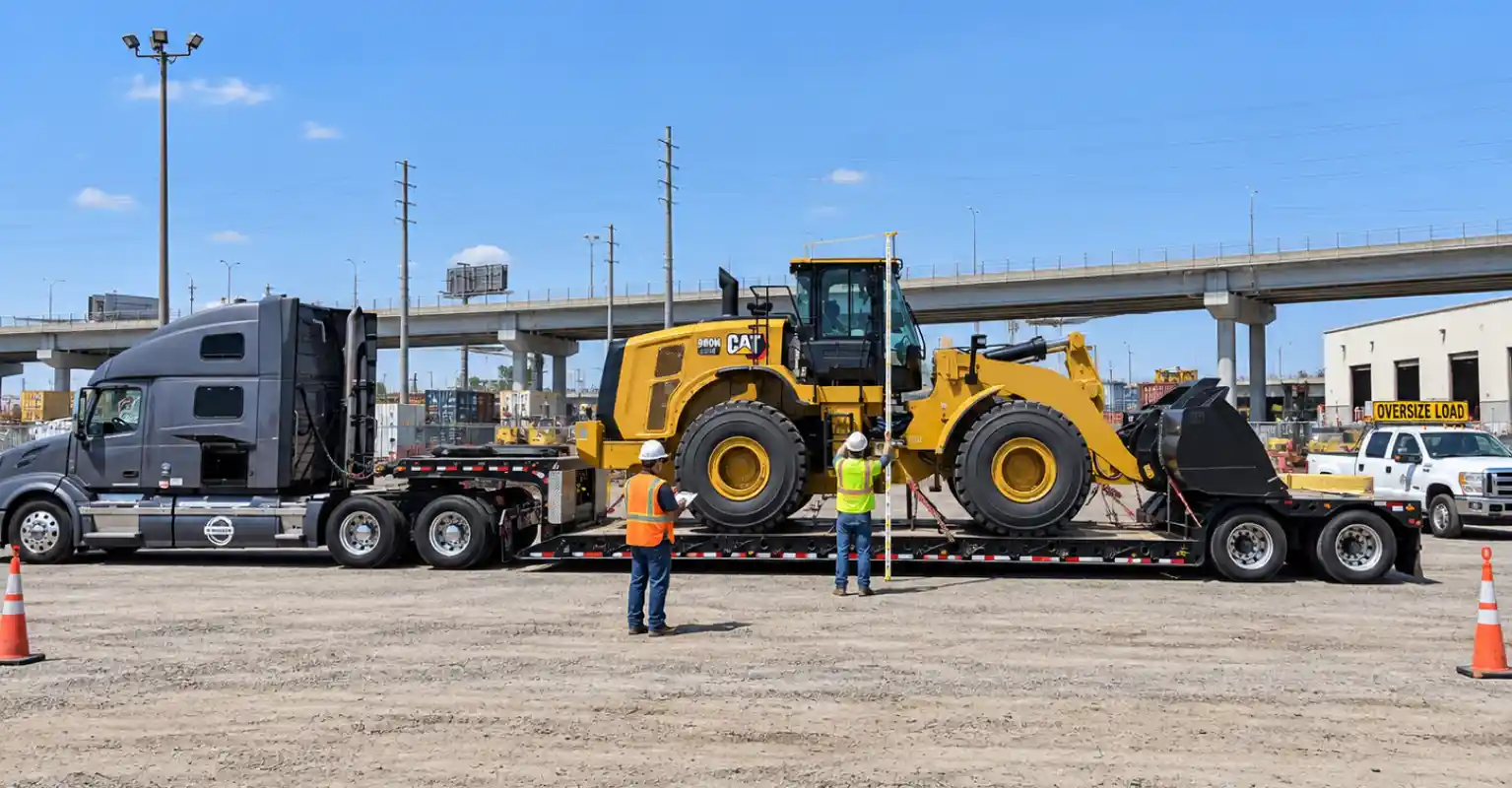
Hauling construction excavators, agricultural combines, aerospace components, or massive industrial boilers frequently pushes trailers past legal limits. When tape measures confirm dimensions exceed standard caps, logistics planners must secure official over height permits. Attempting transit without authorized paperwork constitutes severe federal offenses. Highway patrols monitoring weigh stations actively measure approaching trucks using advanced laser sensors. Catching unauthorized towering equipment results in massive financial penalties.
Why do state authorities regulate vertical dimensions so fiercely? Bridge strikes represent ultimate nightmares for safety directors. When overheight trucks collide with concrete overpasses, damage calculations run into millions. Carriers bear full financial responsibility regarding infrastructure repairs. Furthermore, commercial insurance companies routinely cancel policies immediately after major bridge strikes occur. Legal settlements following such accidents frequently bankrupt small trucking operations entirely.
Securing an appropriate oversize permit forces state civil engineers to verify route safety proactively. Permit applications require exact loaded dimensions. Government routing departments cross-reference submitted measurements against updated databases containing every overpass clearance, utility wire height, and traffic light structure along proposed paths. Official approval guarantees safe passage, provided drivers follow designated turn-by-turn directions flawlessly.
Acquiring oversize permits involves much more than simply paying government administrative fees. Dispatchers must submit precise travel paths. If shipments measure exceptionally high (typically exceeding 15 feet), state departments mandate professional route surveying. Civilian escort vehicles equipped with specialized height poles must physically drive entire routes prior to actual transit. Height poles simulate loaded dimensions exactly, ensuring safe passage under physical obstacles like low-hanging branches or sagging power lines.
Failing to verify paths properly causes massive logistical failures. Discovering low bridges mid-transit traps drivers on narrow highways, requiring dangerous backing maneuvers or expensive crane interventions. To fully understand how meticulous preparation saves profit margins, fleet managers should review our detailed analysis explaining why route surveys can prevent expensive delays. Professional route surveying completely eliminates dangerous guesswork, providing safe, physically verified paths for massive freight.
Certain vertical dimensions trigger mandatory civilian escort requirements. State transport laws dictate precise conditions demanding pilot cars. Front escorts scan upcoming overpasses visually, communicating directly with truck drivers via CB radio systems. Rear escorts protect trailing motorists from sudden braking events caused by clearance obstacles. Hiring civilian escorts adds substantial operational costs to heavy haul invoices. However, attempting transit without mandated escorts nullifies permit validity instantly, exposing motor carriers to massive liability.
Proper equipment selection directly impacts permitting requirements. Standard flatbeds position freight significantly higher than specialized heavy haul trailers. Loading tall industrial machinery onto standard decks almost always triggers government permit mandates. Experienced fleet managers utilize step-deck trailers, double drops, or removable gooseneck (RGN) configurations, minimizing total transit height efficiently.
Decreasing vertical profiles by tiny margins regularly eliminates specific government clearance requirements, preserving crucial administrative time and shielding corporate bank accounts. If utilizing low-profile trailers still fails to keep dimensions under legal limits, ordering official clearance documents becomes absolutely mandatory. Moving unpermitted towering freight remains extremely dangerous and financially reckless.
Operating heavy haul divisions requires flawless compliance management. Guessing vertical dimensions destroys company reputations and invites catastrophic roadside accidents. Always measure loads accurately before tires touch public asphalt. Securing authorized oversize permits proactively through Omni Star ensures commercial fleets remain fully compliant. Omni Star processes complex routing documents quickly and accurately, allowing towering freight to bypass weigh stations safely without stressful roadside delays. Protect expensive equipment, safeguard driver CDLs, and maintain uninterrupted supply chain velocity by partnering with dedicated permitting professionals.
The efficiency of your daily broker and ways to check their credibility
Get help with oversize permits and route planning. Call our team to get started.
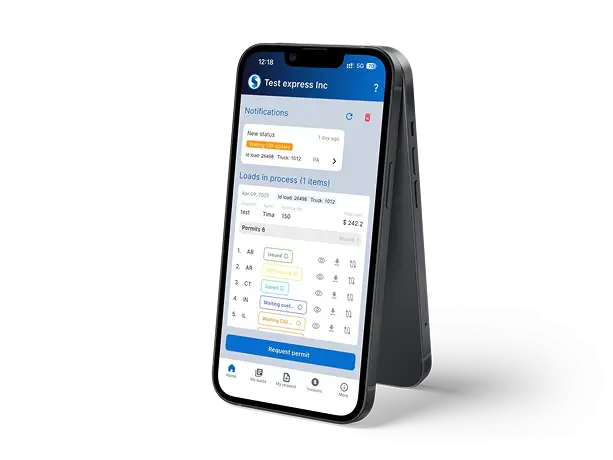
Download Omni Star and manage your permits on the go.

Can oversize loads travel at night? Explore state-by-state night travel restrictions, lighting requirements, and escort rules to help plan your next haul.
Oversize load travel windows vary by state, city, and route. Learn how rush-hour curfews and local restrictions affect interstate haul planning.
Understand US commercial truck weight limits, from gross vehicle weight to axle loads, state exceptions, and overweight permit requirements.
Can oversize loads travel at night? Explore state-by-state night travel restrictions, lighting requirements, and escort rules to help plan your next haul.
Oversize load travel windows vary by state, city, and route. Learn how rush-hour curfews and local restrictions affect interstate haul planning.
Understand US commercial truck weight limits, from gross vehicle weight to axle loads, state exceptions, and overweight permit requirements.