Free Quote

Setup


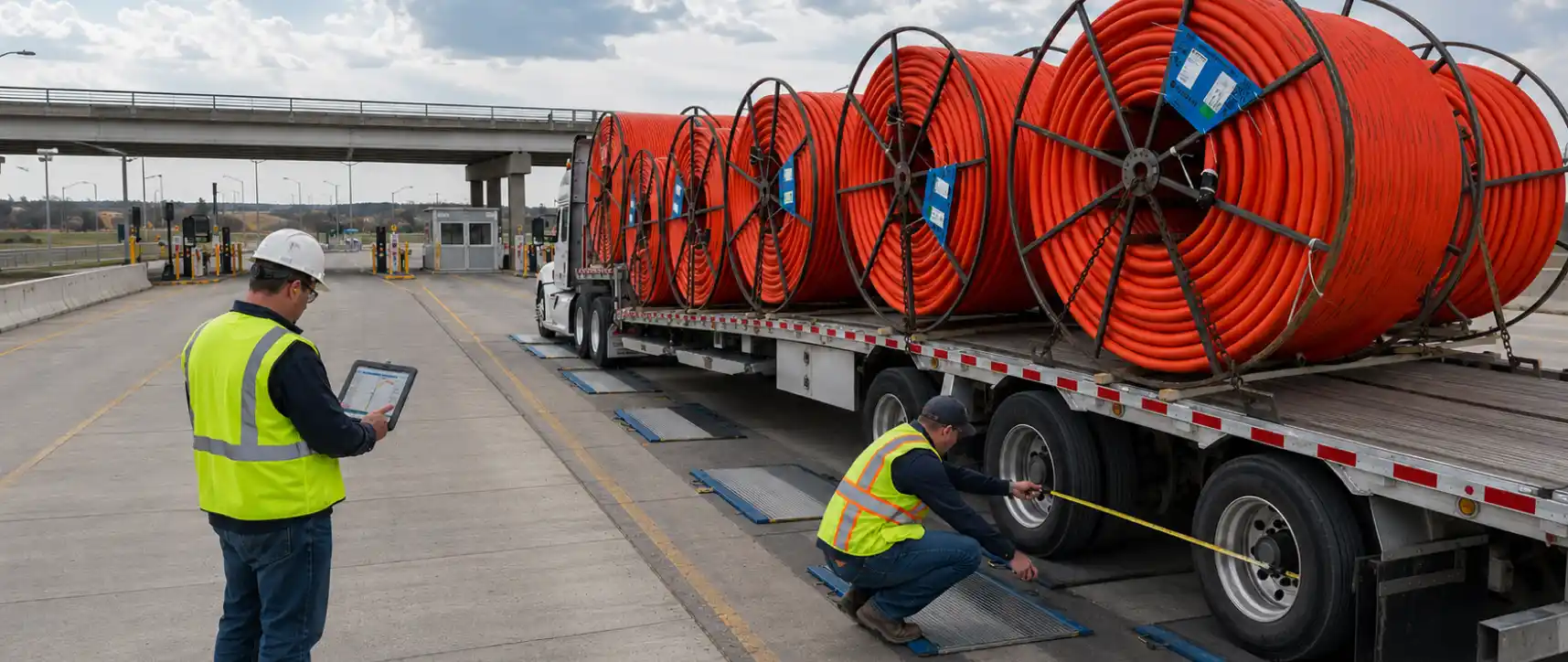
State departments evaluate infrastructure stress mathematically. Gross tonnage directly correlates with pavement destruction. Motor carriers frequently question invoice discrepancies. Dispatchers compare identical payloads crossing different borders. Final invoices reveal massive price variations. Acquiring any overweight permit involves complex fee structures. Base application fees represent minimal administrative costs. True financial liabilities stem from infrastructure impact calculations. State legislatures design sliding scales punishing concentrated mass. Heavy configurations pay higher premiums. Equipment geometry dictates final state invoices. Securing any basic weight permit starts automated algorithms. Algorithms multiply excess tonnage against planned route distances.
Federal interstate networks maintain uniform structural capacities. Secondary state highways feature weaker asphalt sub-bases. Routing heavy freight off interstate corridors increases infrastructure damage risks. State computers calculate localized risks dynamically. Requesting any dot overweight permit forces state software to analyze specific bridge ratings along requested paths. Weak bridges trigger higher access fees. Some jurisdictions implement flat administrative pricing regardless of gross weight. Other jurisdictions utilize brutal mathematical multipliers. Understanding variable pricing models prevents catastrophic budgetary failures during heavy haul planning. Exact routing data controls final pricing.
Pricing methodologies divide into two distinct categories. Certain jurisdictions employ flat-rate models. Carriers pay identical flat fees hauling 90,000 pounds or 140,000 pounds. Contrast flat rates against ton-mile calculations. Ton-mile formulas punish heavy freight traveling long distances. States charge specific dollar amounts per ton over 80,000 pounds multiplied by total route miles. Hauling 120,000 pounds across 300 miles generates massive ton-mile invoices. Minor route deviations inflate costs exponentially. Detours adding 50 extra miles trigger immediate ton-mile recalculations. State revenue departments mandate precise mileage tracking.
Distance variables penalize rural deliveries. Urban deliveries near state borders require minimal mileage. Delivering heavy mining equipment deep into rural territories maximizes ton-mile multipliers. Infrastructure embargoes force trucks onto extended bypass routes. Construction zones block direct paths. Rerouting adds mandatory miles. Added miles equal added state fees. Carriers absorb escalating variables unless contracts specify separate permit line items. Accurate pre-planning demands exact route length calculations. Estimating distances guarantees severe budget shortfalls. Mileage dictates financial exposure during multi-state transit.
Civil engineers utilize Equivalent Single Axle Load (ESAL) formulas. ESAL metrics quantify pavement damage relative to standard 18,000-pound single axles. Concentrating 100,000 pounds across five axles generates extreme ESAL values. State algorithms detect high ESAL configurations instantly. Pavement stress triggers penalty fees. States punish carriers deploying insufficient axle groupings. Securing overweight trucking permits requires strategic equipment selection. Spreading identical weight across seven axles drops ESAL values drastically. Lower pavement stress yields lower permit invoices. Physics dictate state pricing algorithms.
Suspension types alter pricing variables. Air ride suspensions distribute kinetic energy smoothly across pavement surfaces. Mechanical spring suspensions hammer asphalt during transit. States reward air ride configurations with favorable weight-per-inch allowances. Utilizing wide-base super single tires alters pressure calculations. Standard dual tires distribute weight differently. State routing systems analyze tire widths mathematically. Narrow tires concentrate pressure, triggering pavement damage surcharges. Dispatchers must input precise tire specifications. Mismatched hardware data generates inaccurate state invoices. Equipment modifications directly reduce state administrative fees.
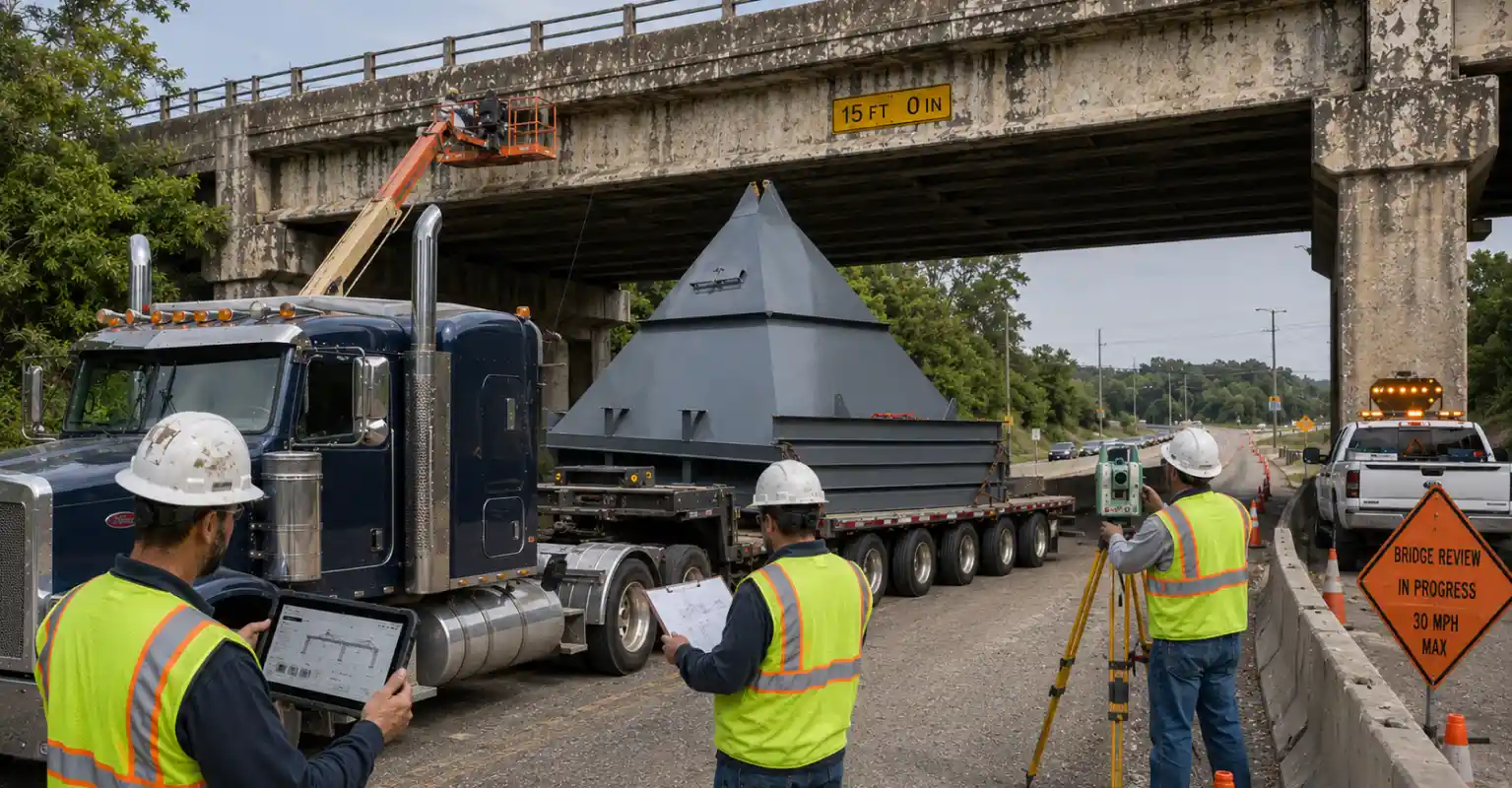
Crossing state superload thresholds radically alters pricing structures. Standard heavy applications process automatically through state servers. Superload parameters demand human intervention. States suspend automated processing when gross weight exceeds 130,000 pounds. Civil engineering teams take control. Securing overweight oversize permits for superload configurations involves manual infrastructure analysis. States do not provide free engineering services. Departments bill motor carriers hourly for structural analysis. Complex routes requiring extensive bridge calculations generate massive engineering invoices. Hourly rates accumulate quickly during manual review phases.
Physical route surveys add external costs. Engineers demand visual proof regarding route clearance. Third-party survey companies charge premium rates driving proposed paths. State clerks refuse superload applications lacking certified survey documents. Manual reviews often uncover weak culverts or aging overpasses. Engineers mandate temporary bridge reinforcements or specific crawling speeds. Complex requirements add friction. Friction adds billable engineering hours. Simple flat fees vanish entirely during superload processing. Carriers fund state structural analysis directly through application surcharges.
Navigating multi-state logistics multiplies financial variables. State legislatures design independent revenue models. Comparing overweight permit cost by state reveals extreme legislative discrepancies. Nevada fee structures share zero similarities with New York formulas. Border crossings force carriers into entirely different financial ecosystems. Dispatchers must calculate cumulative state fees before quoting transport contracts. Failing to aggregate individual state invoices destroys profit margins. Cross-border synchronization requires perfect administrative timing.
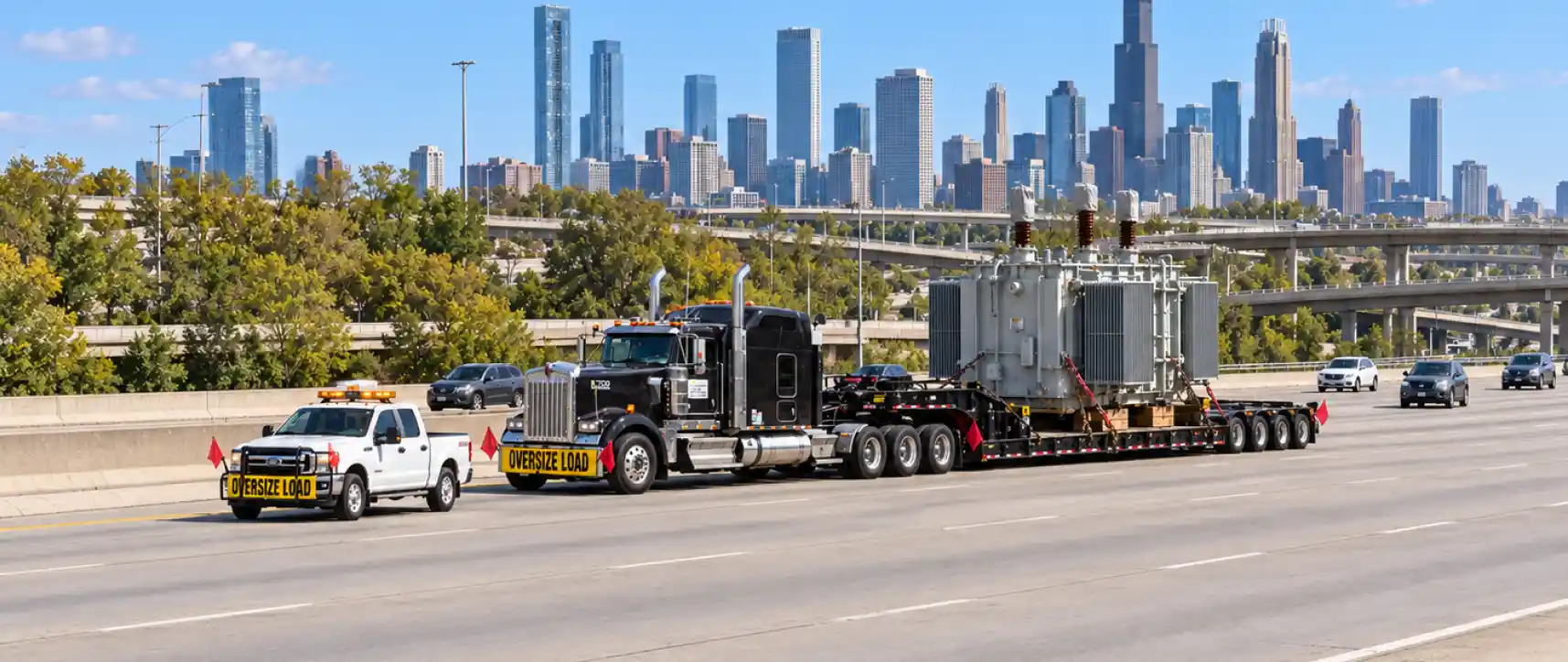
State documents exclusively cover state-maintained highways. Last-mile deliveries involve county roads and city streets. Municipalities demand separate authorization documents. County engineers calculate local bridge stress independently. City clerks issue local movement authorizations carrying separate municipal fees. Delivering heavy transformers into downtown grids requires state permits, county permits, and city permits simultaneously. Local jurisdictions often lack automated systems. Manual municipal processing incurs higher administrative costs. Urban deliveries generate layered billing structures. True operational costs include all overlapping jurisdictional invoices.
Logistical changes trigger administrative revision fees. Approved documents lock unto specific Vehicle Identification Numbers. Tractor breakdowns force immediate equipment swaps. Dispatchers must submit formal revision requests. States treat revisions as entirely new applications. Clerks charge secondary application fees processing tractor swaps. Weather delays pushing transit past document expiration dates require costly extensions. Poor dispatch planning generates multiple revision invoices. Flawless execution prevents double billing. Administrative discipline controls final permit expenses.
Unpermitted transit creates infinite financial liability. Bypassing legal document acquisition triggers catastrophic enforcement penalties. Highway patrol officers calculate fines using brutal multiplier formulas. Officers assess damages per overweight axle. Multipliers increase based on excess poundage severity. Court fines eclipse original permit costs exponentially. Citations infect federal safety scores permanently. Insurance underwriters raise premium rates following overweight citations. Legal documents offer absolute financial protection. Paying state application fees remains exponentially cheaper than absorbing court-mandated infrastructure damage fines. Compliance dictates profitability.
The efficiency of your daily broker and ways to check their credibility
Oversize load travel windows vary by state, city, and route. Learn how rush-hour curfews and local restrictions affect interstate haul planning.
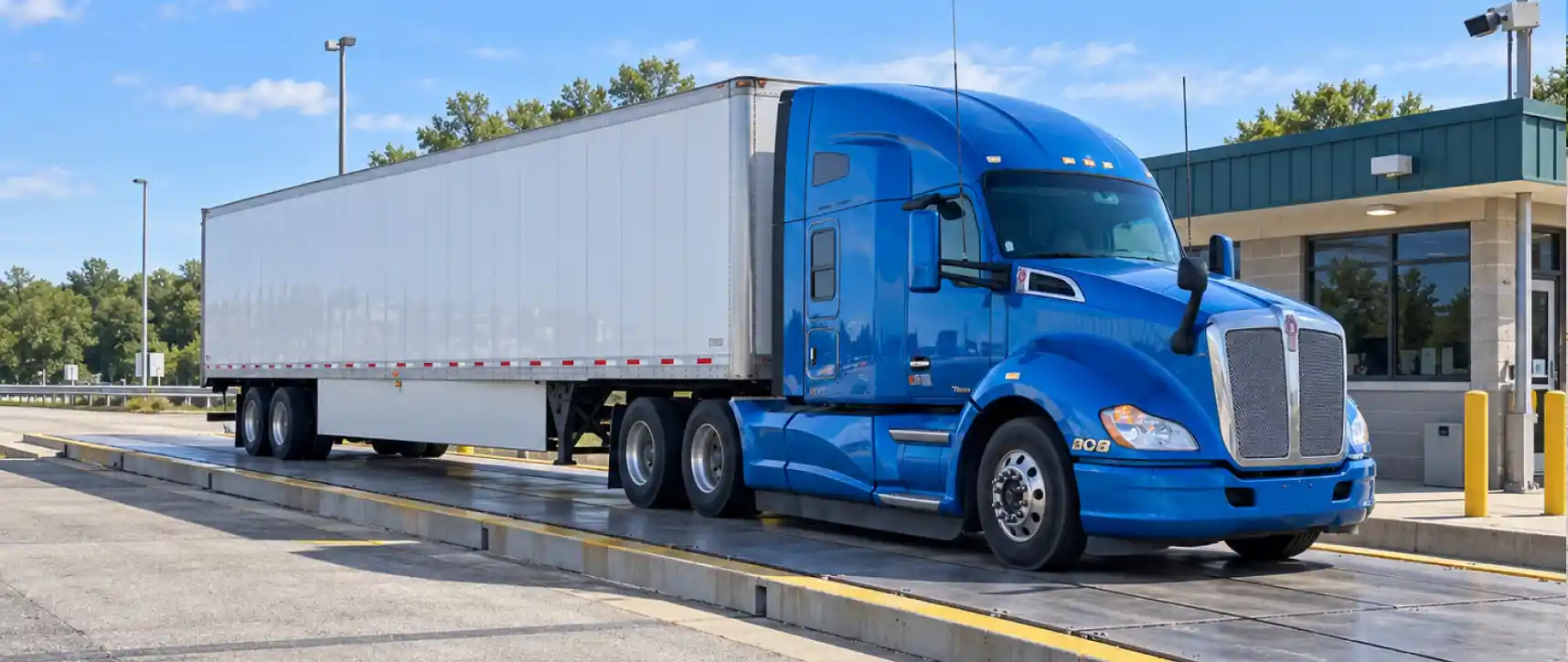
Understand US commercial truck weight limits, from gross vehicle weight to axle loads, state exceptions, and overweight permit requirements.
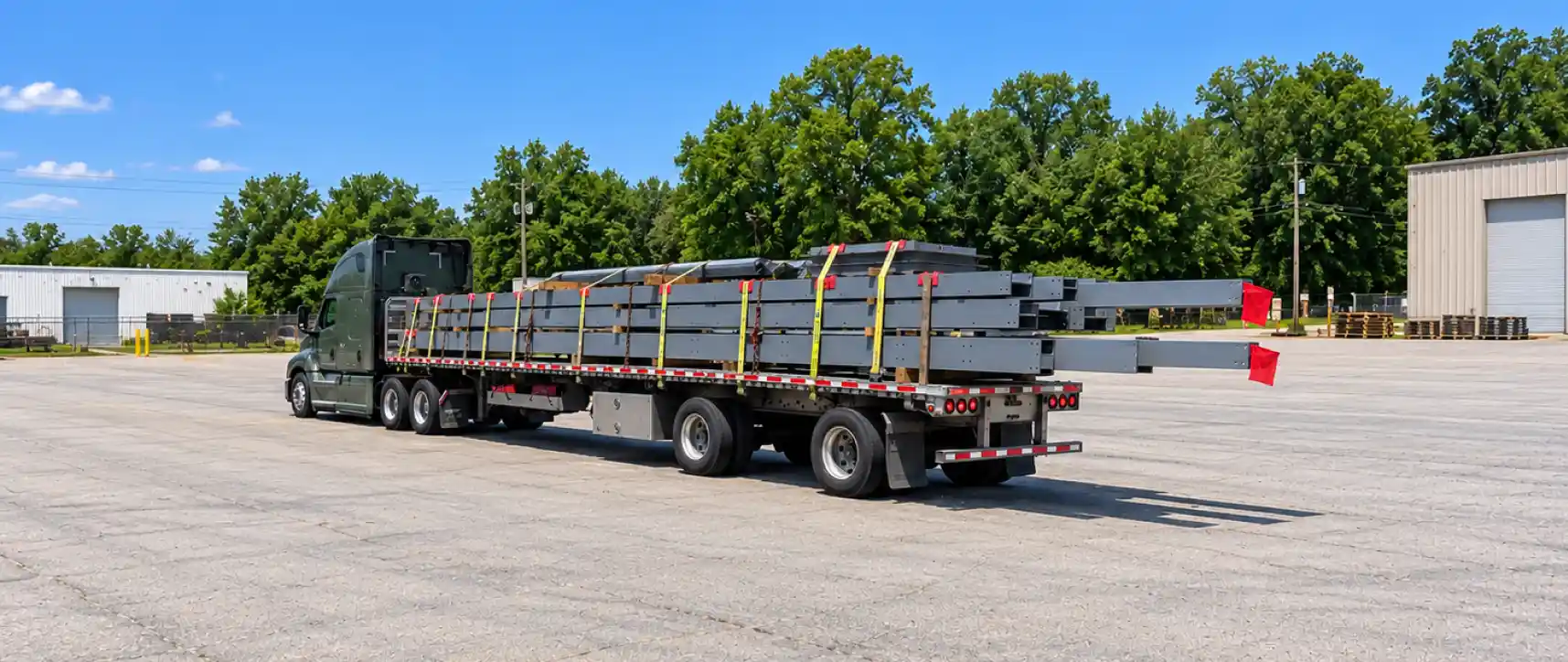
When does a long load require a permit? Learn how trailer length, cargo overhang, state rules, and escort requirements affect your next haul.
Oversize load travel windows vary by state, city, and route. Learn how rush-hour curfews and local restrictions affect interstate haul planning.
Understand US commercial truck weight limits, from gross vehicle weight to axle loads, state exceptions, and overweight permit requirements.
When does a long load require a permit? Learn how trailer length, cargo overhang, state rules, and escort requirements affect your next haul.