Free Quote

Setup


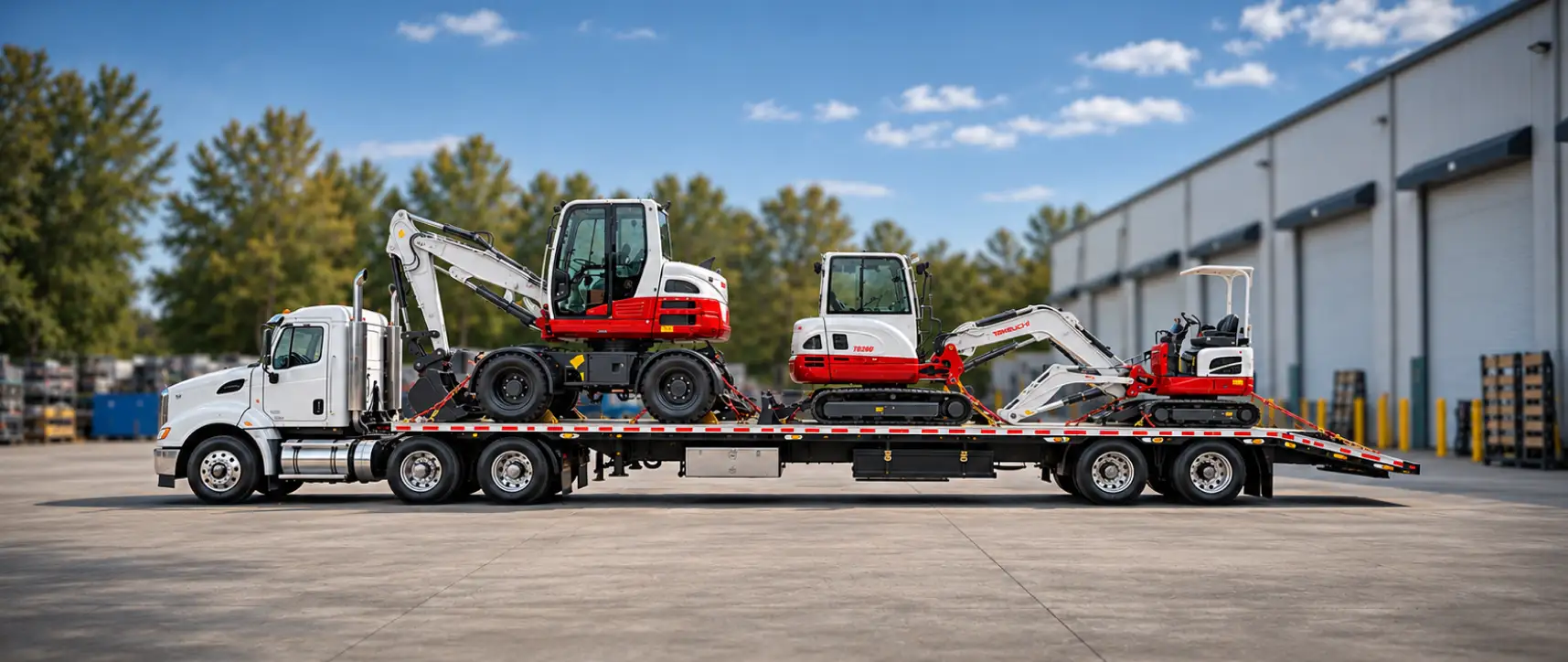
Scale houses shut down permitted trucks every week over a mistake that starts in dispatch. A driver pulls an approved state permit, rolls onto the pad, and expects a green light because his total weight matches his paperwork. Instead, a DOT officer walks over to his cab door, checks the metal plate on his trailer neck, and writes an out-of-service order. Most of the time, a carrier mixed up gvw vs gvwr and assumed a state permit lets a truck carry more than the factory built it to hold.
Knowing the difference between actual weight, factory ratings, and state road laws saves fleets from steep fines and broken gear. Those three numbers do completely different jobs. If you treat them like the same thing, a legal-looking load can still get parked roadside.
Start with gvw meaning because that number changes on every single trip. Your gross vehicle weight is the actual weight of truck and load at that exact moment on a scale. It includes empty equipment weight, full fuel tanks, chains, binders, tools, a driver, and freight sitting on deck. When you drive onto a CAT scale before a haul and the ticket prints 76,400 pounds, that readout is your GVW. Drop your load at any job site, and that number drops right back down.
Now look at gvwr meaning stamped on each truck itself. Gross vehicle weight rating is the maximum safe weight set by manufacturers when that unit rolled off the assembly line. Engineers calculate that cap based on the strength of frame rails, suspension, axles, wheel bearings, and brakes. You can find it on a sticker inside a tractor's door jamb, or on a metal plate riveted to a trailer's front frame or gooseneck. Unlike your scale ticket, that factory rating never changes, no matter what kind of cargo you haul.
Heavy haulers also deal with two related factory numbers on combination rigs. Gross axle weight rating, or GAWR, sets the max load each individual axle can safely hold. On a tractor-trailer setup, gross combination weight rating (GCWR) caps total loaded weight for a power unit and trailer together. Every one of these ratings comes from the factory that built that steel, not state DOT offices.
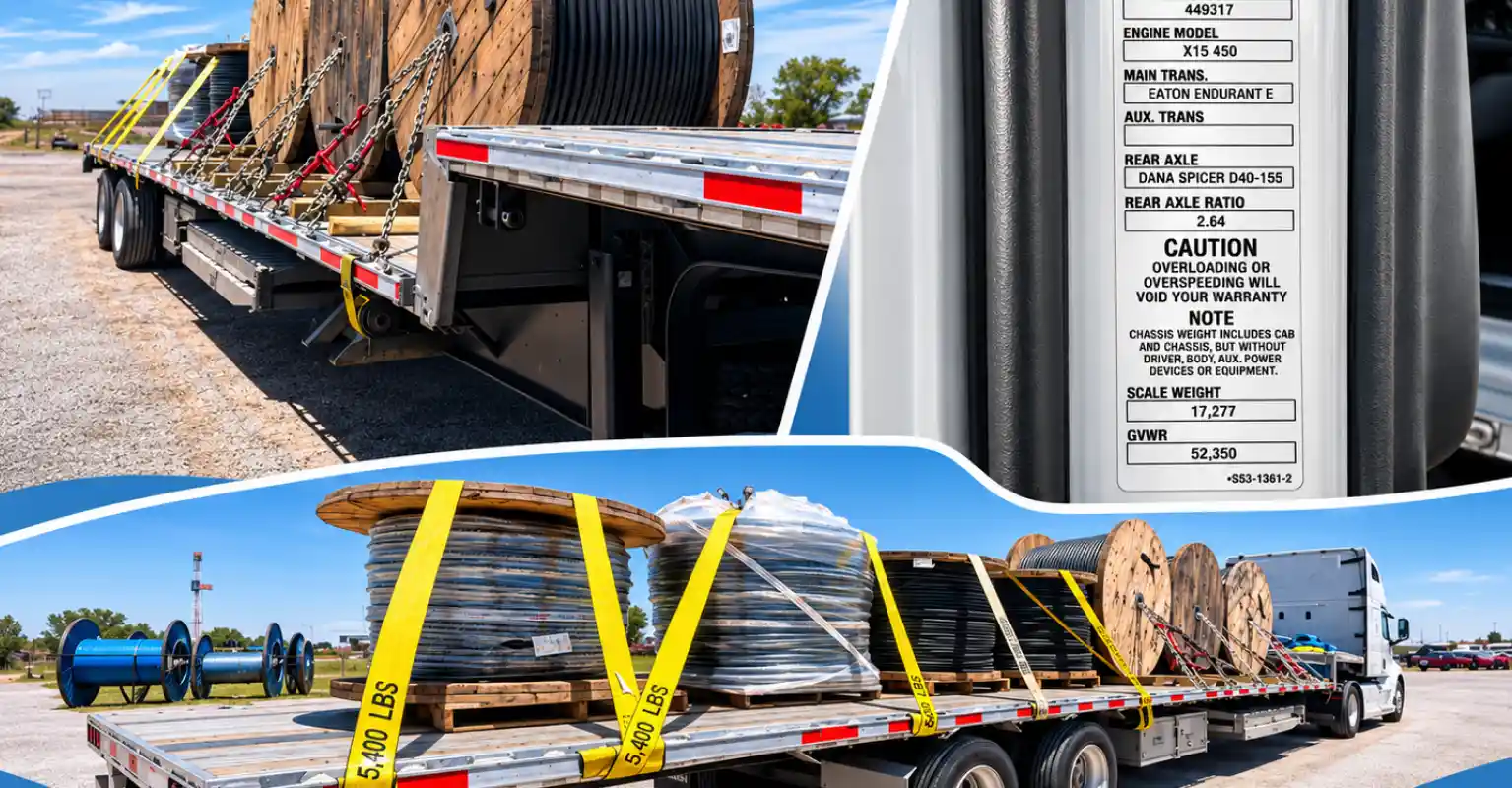
Road laws add a third layer to the math. Legal weight limits are set by federal and state highway departments to keep bridges and asphalt from getting torn up. On U.S. interstates, standard federal law caps a regular five-axle semi at 80,000 pounds gross, with 20,000 pounds on a single axle and 34,000 pounds on a tandem. Your cab card also lists a registered gross weight that you pay taxes on through IRP.
Legal limits and factory ratings don't always line up, and you have to obey whichever number is lower when running without a permit. Take a heavy-spec lowboy trailer built with a 110,000-pound GVWR. Even though its steel frame can easily handle that tonnage, federal road law still stops you at 80,000 pounds gross unless you file for state paperwork.
The reverse happens just as often with lighter setups and hotshot rigs. Say a carrier runs a medium-duty flatbed trailer with a 26,000-pound GVWR behind a pickup or small tractor. State highways themselves can hold 80,000 pounds without breaking a sweat, yet loading that trailer to 30,000 pounds puts you 4,000 pounds over its factory rating. That road might handle it, but your brakes and springs won't.
This is where a lot of carriers get tripped up when booking heavy machinery. Filing for overweight permits only gives you permission to go past statutory highway limits on an approved route. A permit lets a non-divisible load cross the 80,000-pound federal cap or exceed standard state axle limits because a DOT engineer verified bridges along that road can take the stress.
A state permit never increases your truck's GVWR, GAWR, or tire ratings. Paying state permit fees doesn't make your trailer frame thicker or give your brake drums more stopping power. Say you pull a state permit allowing 22,000 pounds per axle on a tridem trailer. If those trailer axles are only rated for 20,000 pounds each, that setup is still illegal and unsafe.
Tires are another weak spot that catch drivers off guard. Every commercial tire has a max load rating molded right into its sidewall, and many states also cap weight by pounds per inch of tire width. Even if your frame and axles can handle the load, running past that sidewall rating puts you out of compliance the second an officer checks your rubber.
DOT inspectors don't just glance at your permit sheet and wave you back onto the interstate. When a heavy truck pulls into an inspection bay, officers check scale readouts against VIN plates on the tractor and trailer. They also check your tire sidewalls and registered weight on your cab card.
If your actual GVW goes past your trailer's GVWR or overloads your tires, that permit won't save you. An officer can place your truck out of service on the spot under federal safety rules. That leaves you paying steep fines, taking CSA points, and hiring a crane or a heavier trailer to move freight on the roadside.
Running over factory ratings also creates a massive headache if a crash happens. Brakes overheat faster on downgrades, and tires blow out under extra heat. If a driver gets into a wreck while operating above GVWR, commercial insurance carriers look straight at those scale tickets and VIN plates. Running past manufacturer limits gives an insurer grounds to fight any claim and leaves the trucking company exposed to major lawsuits.
Before you quote a heavy load, walk out to the yard and read metal plates on the truck and trailer taking that run. Check your tractor's door jamb, trailer GVWR and GAWR tags, tire sidewall numbers, and registered weight on your IRP cab card. If that load pushes past your factory ratings, no permit office can fix it for you. You need to move freight onto a heavier-spec trailer or add axles built for that tonnage.
Matching your hardware to freight upfront takes five minutes and keeps your drivers out of inspection bays. Omni Star checks state weight rules, axle limits, and route requirements for heavy-haul fleets every day. We review your setup before filing and pull the permits you need to keep your trucks moving legally.
The efficiency of your daily broker and ways to check their credibility
Get help with oversize permits and route planning. Call our team to get started.
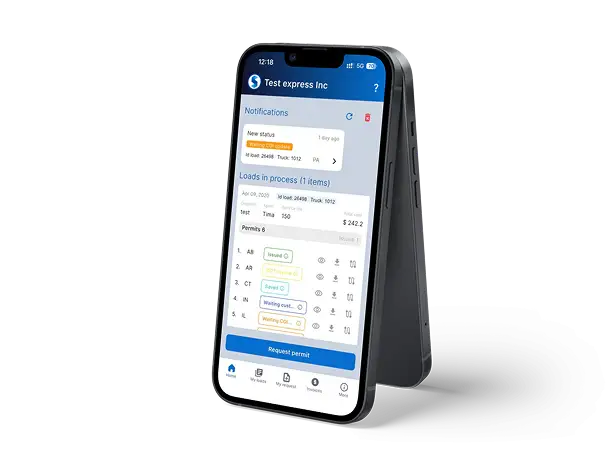
Download Omni Star and manage your permits on the go.
Learn about maximum legal trailer width, state-specific restrictions, and when you need an oversize permit to transport wide loads across the United States.
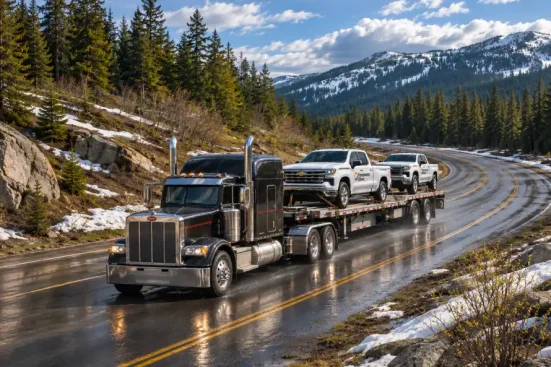
Learn how frost laws and seasonal weight restrictions affect truck axle limits, overweight permits, and route planning. Avoid costly fines and spring hauling delays
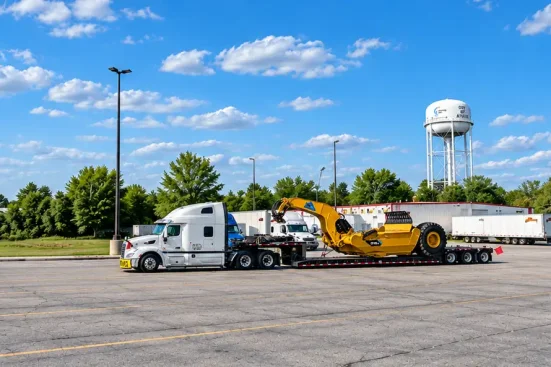
Learn how the Federal Bridge Formula affects axle weight limits, bridge spacing, and overweight permits. Avoid violations and plan legal heavy-haul routes
Learn about maximum legal trailer width, state-specific restrictions, and when you need an oversize permit to transport wide loads across the United States.
Learn how frost laws and seasonal weight restrictions affect truck axle limits, overweight permits, and route planning. Avoid costly fines and spring hauling delays
Learn how the Federal Bridge Formula affects axle weight limits, bridge spacing, and overweight permits. Avoid violations and plan legal heavy-haul routes