Free Quote

Setup


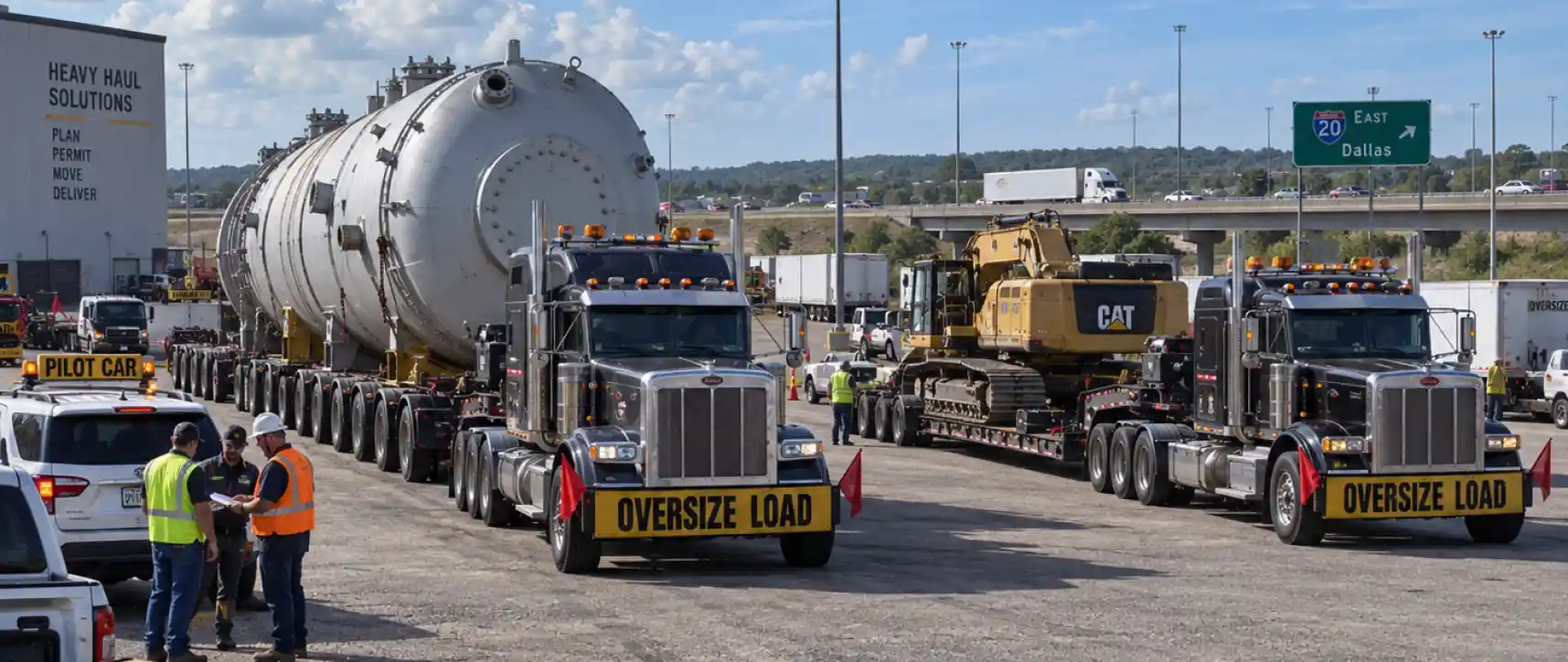
Moving heavy equipment requires specialized documentation. Dispatchers constantly face one major administrative decision: choosing between single trip authorizations and blanket yearly clearances. Making wrong choices destroys profit margins, causes massive routing delays, and invites severe weigh station citations. Every overweight truck permit carries specific rules, strict expiration dates, and rigid route restrictions. Understanding operational differences ensures fleets maintain high profitability while completely avoiding brutal scale house fines.
Single trip documents provide temporary legal clearance for specific freight moving along designated highways. Dispatchers request these documents for isolated heavy runs. A standard overweight permit typically covers one specific tractor pulling one specific trailer along predetermined roads for several consecutive days. This option works perfectly for carriers hauling non-divisible freight only occasionally.
However, requesting individual documents constantly consumes valuable administrative hours. Single trip approvals require fresh route surveys, bridge capacity checks, and new government fees every single time drivers start their engines. State departments must manually approve requested paths, ensuring heavy loads avoid weakened overpasses or active construction zones. If drivers deviate from approved turn-by-turn directions, highway patrols will immediately issue massive citations and declare equipment Out of Service. Processing times for temporary approvals fluctuate wildly. Securing temporary clearance might take minutes in certain jurisdictions but require several days elsewhere.
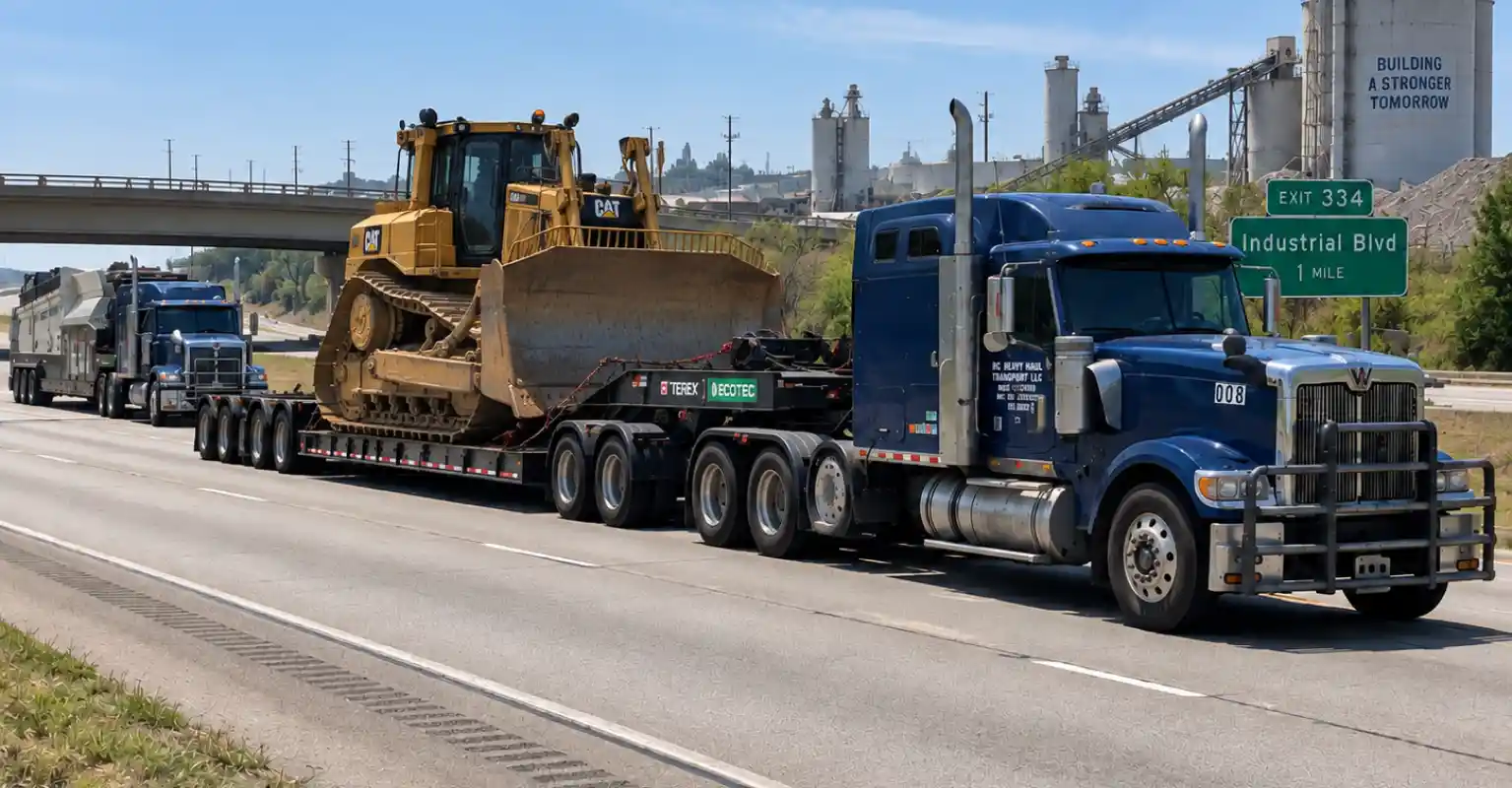
High-volume carriers need better solutions. Annual authorizations allow trucks unlimited trips within specific jurisdictions over twelve months. Purchasing blanket documents eliminates daily paperwork delays. Dispatchers simply assign trucks, load heavy freight, and send drivers driving. Transporting bulldozers, steel coils, or sealed ocean containers becomes incredibly efficient when tractors already hold necessary government clearances.
However, blanket options restrict maximum weights strictly. States cap gross vehicle mass allowed under continuous approvals to protect aging infrastructure. Extremely heavy superloads still demand individual temporary authorizations. Furthermore, blanket documents usually tie directly to specific Vehicle Identification Numbers (VINs), meaning companies cannot swap paperwork between different tractors freely.
Navigating blanket authorizations requires deep knowledge regarding local laws. Fleet managers must study state regulations constantly because rules vary drastically across state lines. Every jurisdiction dictates unique axle weight limits, commodity restrictions, and curfew hours.
Texas demands massive attention from logistics planners. Securing a Texas annual overweight permit provides incredible value for heavy haulers serving booming oil fields or massive construction sites. Operators utilizing an annual overweight permit texas style can move heavy loads across most state highways without calling permit offices daily. Such efficiency keeps supply chains flowing smoothly across massive Texan territories.
Bordering states offer similar programs but utilize different limits. Purchasing a Louisiana annual overweight permit grants access across bayou bridges and coastal ports, provided drivers avoid specifically restricted parishes and closely monitor structural weight postings.
Midwestern routes require careful logistical planning. An Oklahoma annual overweight permit perfectly covers agricultural equipment and heavy oilfield machinery, but operators must still obey specific tandem weight limits and avoid designated rural routes lacking structural integrity.
Eastern corridors utilize completely different logic. Holding a pa annual overweight permit allows carriers to navigate mountainous terrain legally, transporting industrial steel or mining equipment. Though Pennsylvania offers generous yearly programs, state troopers strictly enforce seasonal frost restrictions, rendering certain roads completely off-limits during spring thaws despite having blanket authorization.
Financial planners often struggle to understand complex pricing structures. Single authorizations seem cheap initially, but frequent purchases drain bank accounts rapidly. Fleet owners frequently wonder why one overweight permit costs more than another. Pricing depends entirely on total mass, axle spacing, overall dimensions, and distance traveled.
Blanket twelve-month approvals require large upfront capital investments. Writing huge checks for entire fleets causes initial budget strain. However, calculating Return on Investment (ROI) reveals striking truths. If carriers run identical heavy routes multiple times weekly, annual documents pay for themselves within mere weeks. Eliminating daily application fees, avoiding delayed dispatch times, and preventing scale house fines makes yearly options financially superior for dedicated heavy haulers.
Choosing optimal routing documents demands careful fleet analysis. Dispatch teams must review historical freight data, projecting future heavy hauls accurately. Occasional heavy haulers should strictly utilize temporary clearances, paying only when absolutely necessary. Dedicated heavy equipment movers must invest in yearly approvals, streamlining operations and maximizing daily drive time.
Do not let government paperwork slow down vital supply chains. Securing proper overweight permits guarantees drivers bypass weigh stations confidently, entirely avoiding stressful secondary inspections. Omni Permits delivers fast, accurate, and fully compliant routing documents customized for specific fleet needs. Protect safety scores, eliminate scale house citations, and keep heavy freight moving smoothly across America.
The efficiency of your daily broker and ways to check their credibility
Get help with oversize permits and route planning. Call our team to get started.
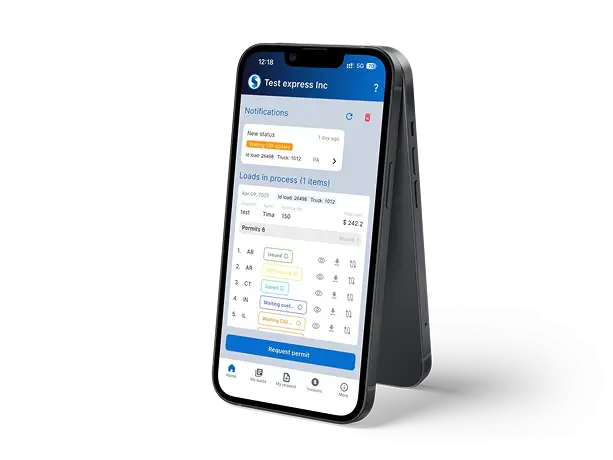
Download Omni Star and manage your permits on the go.

Can oversize loads travel at night? Explore state-by-state night travel restrictions, lighting requirements, and escort rules to help plan your next haul.
Oversize load travel windows vary by state, city, and route. Learn how rush-hour curfews and local restrictions affect interstate haul planning.
Understand US commercial truck weight limits, from gross vehicle weight to axle loads, state exceptions, and overweight permit requirements.
Can oversize loads travel at night? Explore state-by-state night travel restrictions, lighting requirements, and escort rules to help plan your next haul.
Oversize load travel windows vary by state, city, and route. Learn how rush-hour curfews and local restrictions affect interstate haul planning.
Understand US commercial truck weight limits, from gross vehicle weight to axle loads, state exceptions, and overweight permit requirements.